
Blog
Asakusa Underground Shopping Street Reviews: Tokyo’s Oldest Retro Arcade
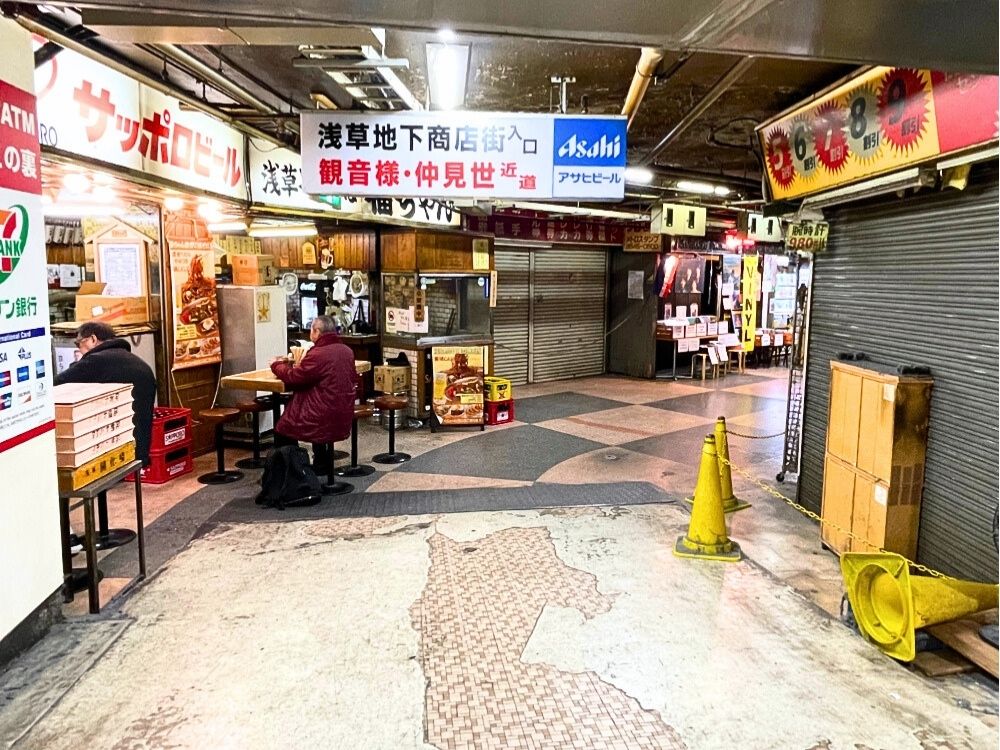
Just beneath the busy sidewalks of Asakusa lies a corridor that feels almost untouched by time. Asakusa Underground Shopping Street, known in Japanese as Asakusa Chikagai or Asakusa Chika Shotengai, runs quietly below one of Tokyo’s most visited districts. Built during the postwar period and still operating today, Asakusa Underground Shopping Street offers a glimpse into a layer of Tokyo that has largely disappeared elsewhere in the city.
Content
What is Asakusa Underground Shopping Street?
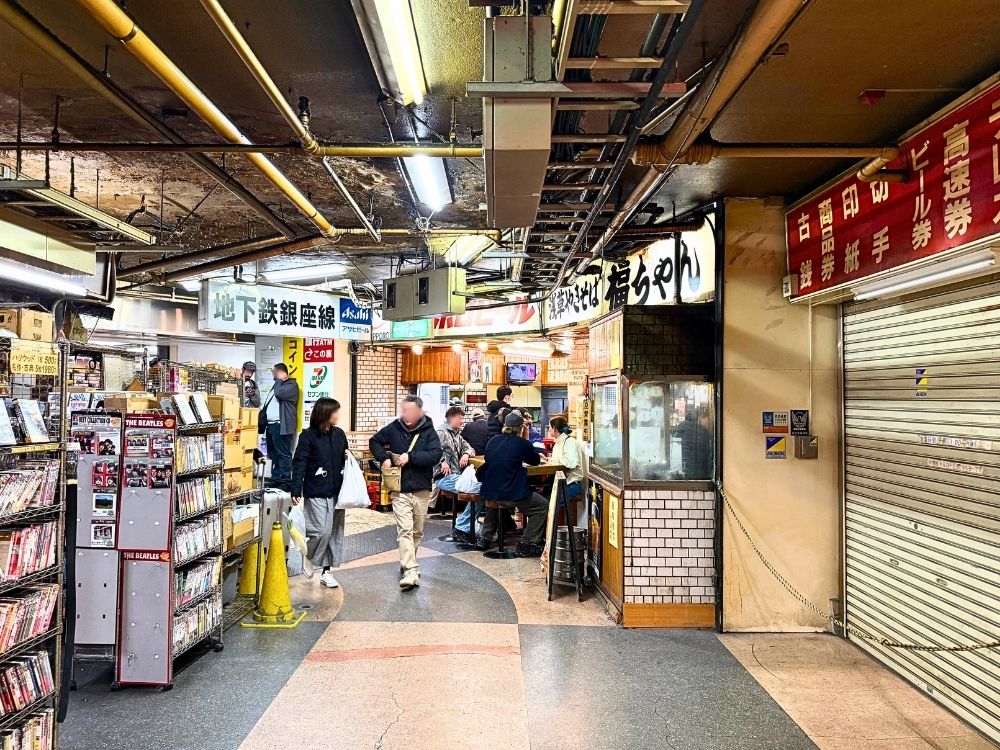
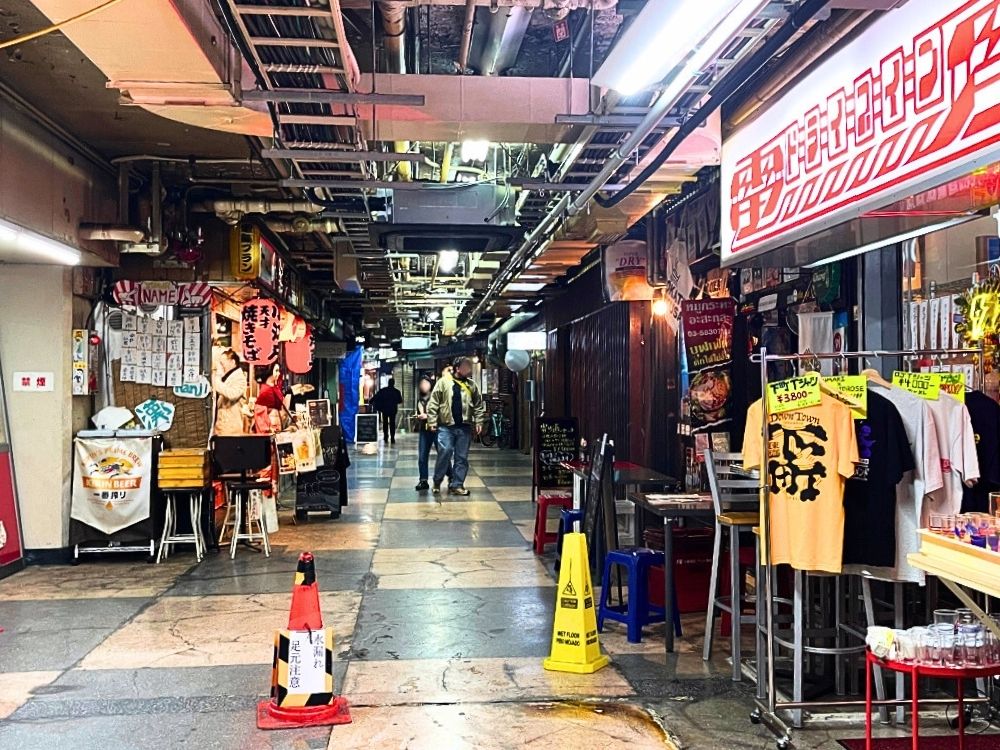
Above ground, Asakusa is famous for landmarks such as Senso-ji Temple and the bustling Nakamise-dori shopping street leading to it. However, Asakusa Underground Shopping Street offers a different perspective.
Asakusa Underground Shopping Street opened in 1955 and is widely considered the oldest existing underground shopping arcade in Japan. Stretching roughly 50 meters beneath the station area, the corridor originally served commuters and neighborhood residents passing through Asakusa during Tokyo’s rapid postwar growth.
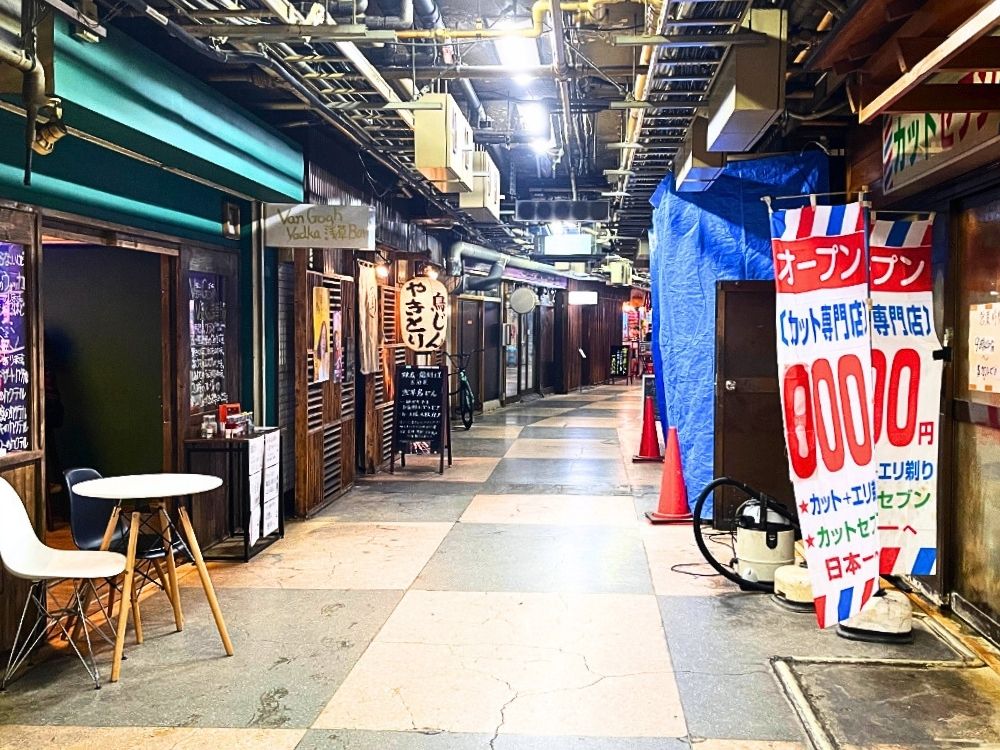
Narrow walkways, compact counters, vintage signage, and the aroma of sizzling food create a space that feels very different from the modern city above. Small bars, eateries, and shops opened here to provide quick meals and places to socialize before heading home. Many of those businesses remain today, giving the arcade a sense of continuity that is increasingly rare in Tokyo’s rapidly changing urban landscape.
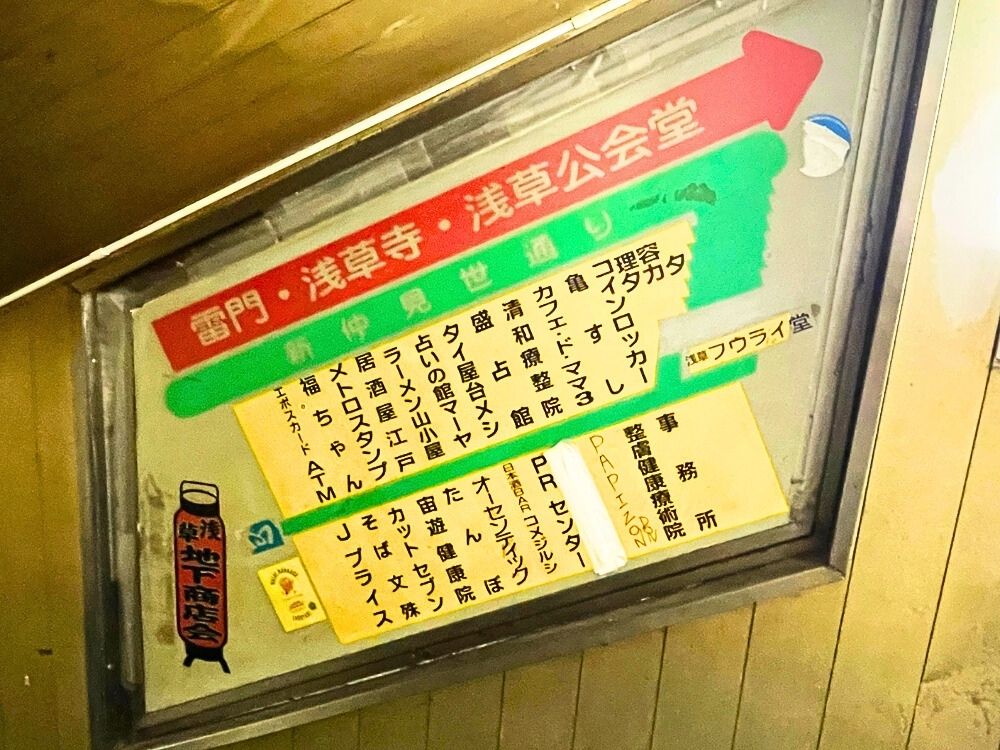
Walking through the arcade reveals a distinctly retro atmosphere. Exposed pipes run across the ceiling, aging signboards hang above compact storefronts, and the lighting casts a warm glow over the narrow corridor.
Where are the Entrances to Asakusa Underground Shopping Street?
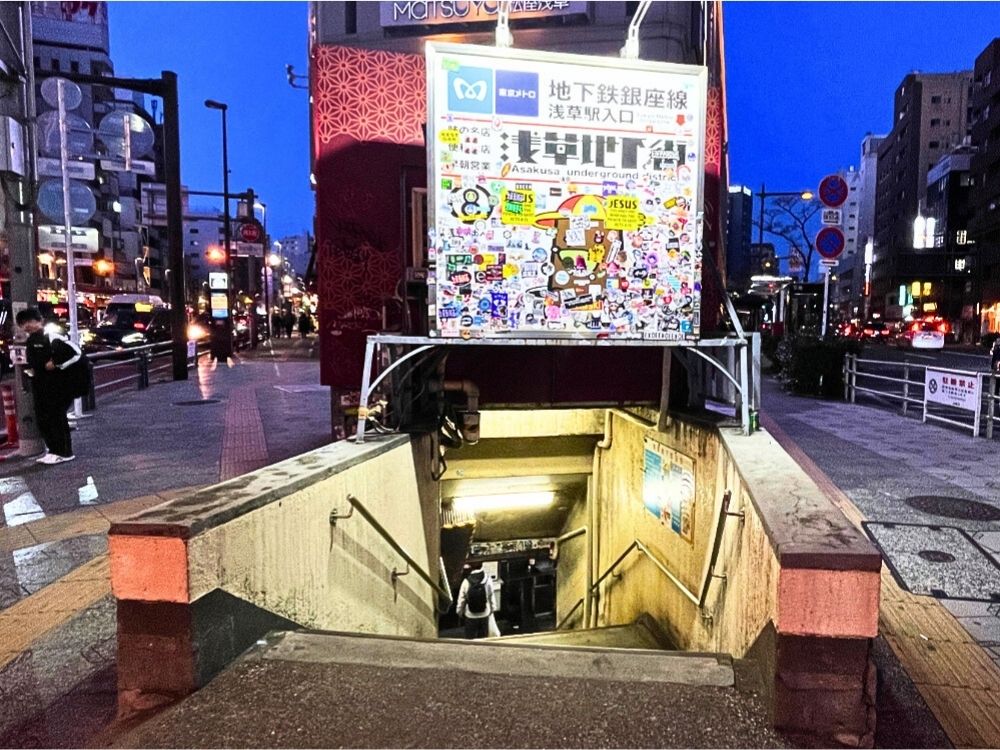
Many visitors heading toward Senso-ji Temple pass right over it without realizing a small retro arcade lies hidden beneath their feet. Descend one of the staircases near Asakusa Station, and the atmosphere shifts immediately.
Asakusa Underground Shopping Street runs beneath Kaminarimon-dori, stretching from the Tokyo Metro Ginza Line station area to Tobu Railway Asakusa Station. There are four entrances in total: two above ground and two from the subway system below, so you can enter from street level or access it directly while transferring trains.
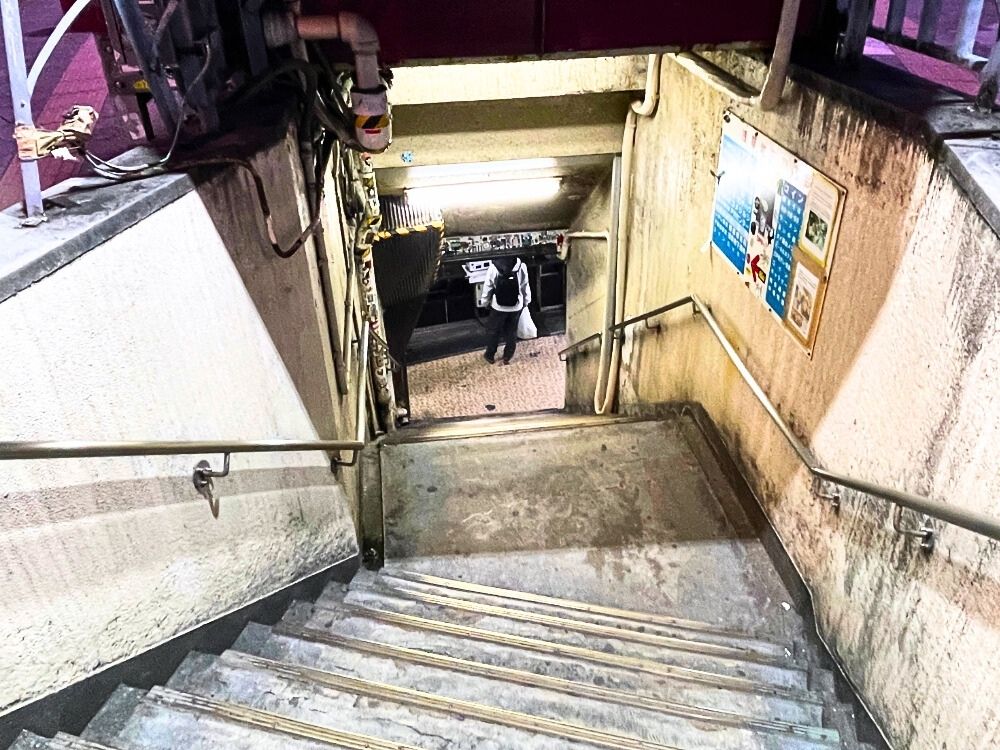
Street-level entrances:
- At the triangular plaza in front of Tobu Asakusa Station (near Matsuya Asakusa department store)
- Right next to the entrance to Shin-Nakamise Shopping Street
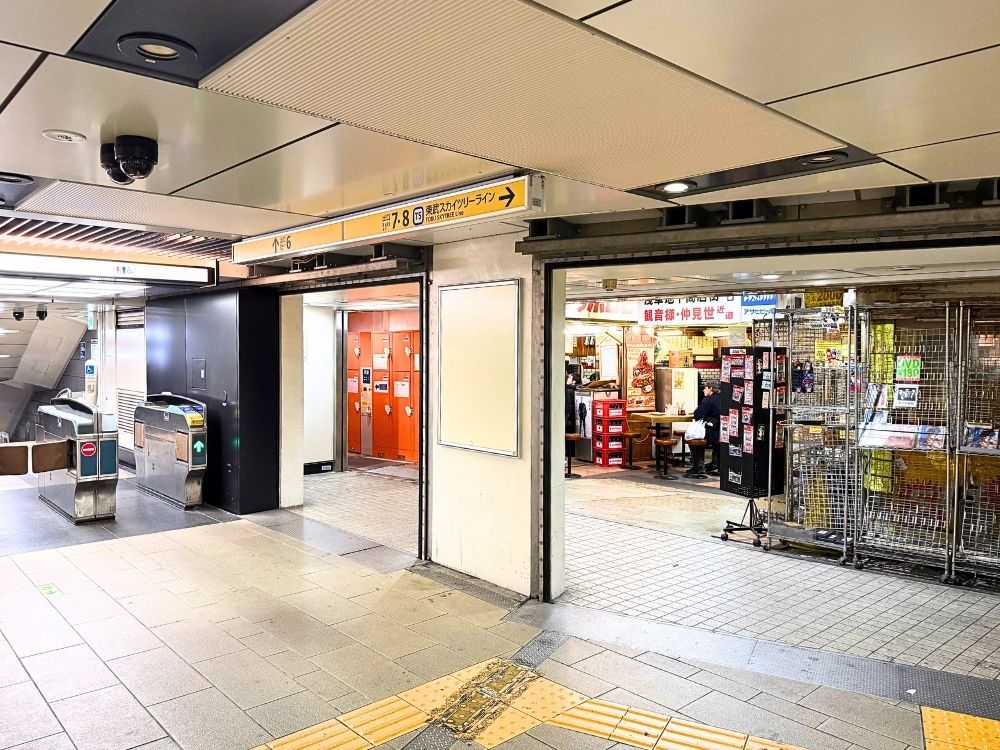
Underground entrances (Asakusa Station):
- From Tokyo Metro Ginza Line, you’ll find a staircase near Exit 6 leading directly down to the underground passage.
- From Tobu Railway, look for the underground connecting passage from the Tobu Line to the Ginza Line
💡 Pro tip: Several rail lines share the Asakusa name—including Tokyo Metro and Toei Subway. The underground arcade connects most directly to the Tokyo Metro Ginza Line station concourse, making it the easiest entrance to find.
If you’re visiting from outside Asakusa, the easiest approach is to take the Tokyo Metro Ginza Line to Asakusa Station and enter directly from the station concourse. On the other hand, if you’re already exploring Asakusa on foot or heading over from HOTEL TAVINOS Asakusa, look for the ground-level entrances near Matsuya department store or at the start of Shin-Nakamise Street.
Food and Hidden Shops in Asakusa Underground Shopping Street
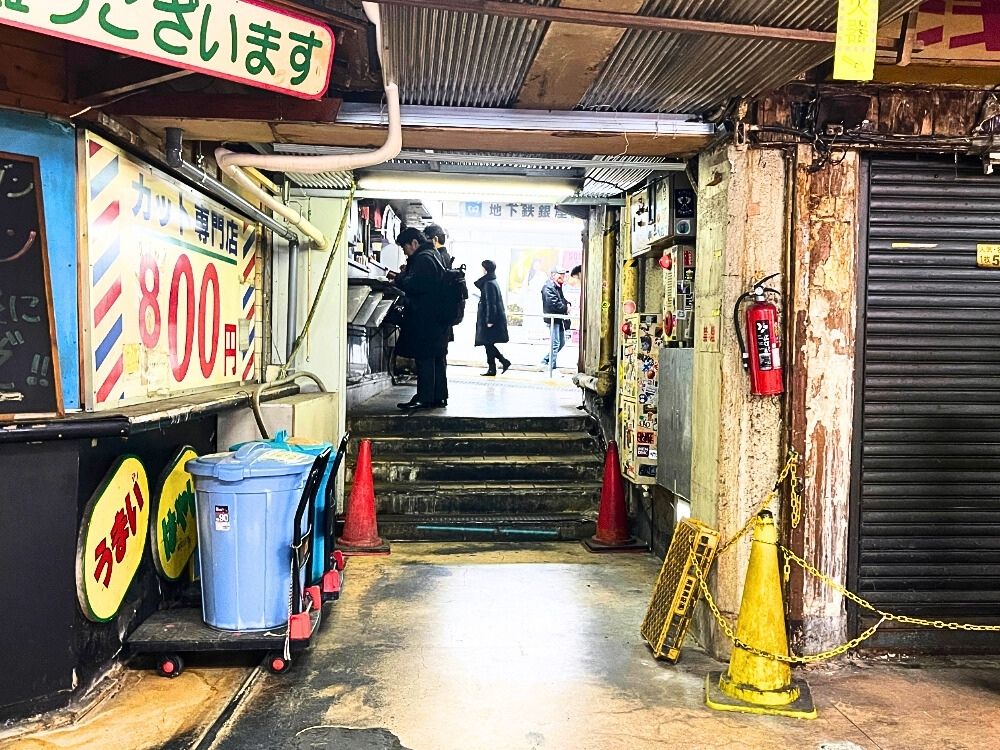
Part of the appeal of Asakusa Underground Shopping Street is the individuality of its shops. Unlike modern shopping complexes, the underground arcade developed gradually over decades, and many of the businesses are still run by independent owners rather than large chains.
The narrow corridor is lined with cozy bars, casual food counters, and one-of-a-kind shops—each storefront reflecting the personality and passion of the people behind it. The experience often depends as much on conversation and atmosphere as it does on what’s being served, giving every visit a personal touch that’s hard to find elsewhere.
What follows represents just a small sampling of what awaits in this hidden corner of Asakusa.
Asakusa Tensai Yakisoba New Koedo (Asakusa Crazy Yakisoba)
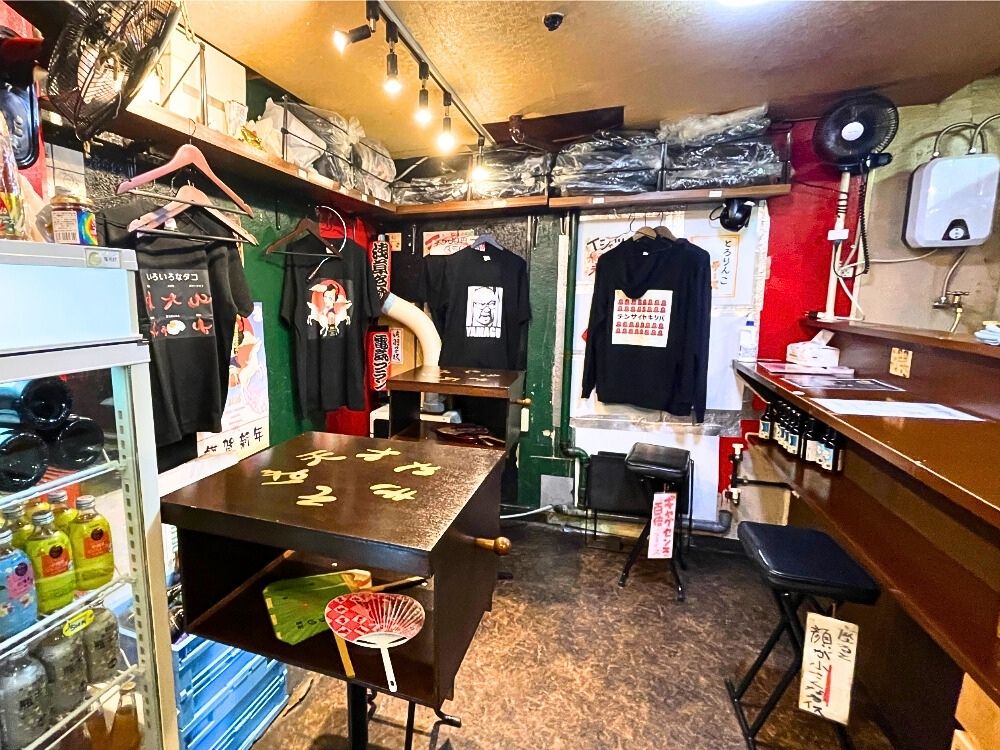
One of the liveliest stops in Asakusa Underground Shopping Street is Asakusa Tensai Yakisoba New Koedo (Asakusa Crazy Yakisoba), also known locally as Tensai Yakisoba. The compact counter specializes in freshly cooked yakisoba noodles prepared on a hot griddle just steps from the walkway.
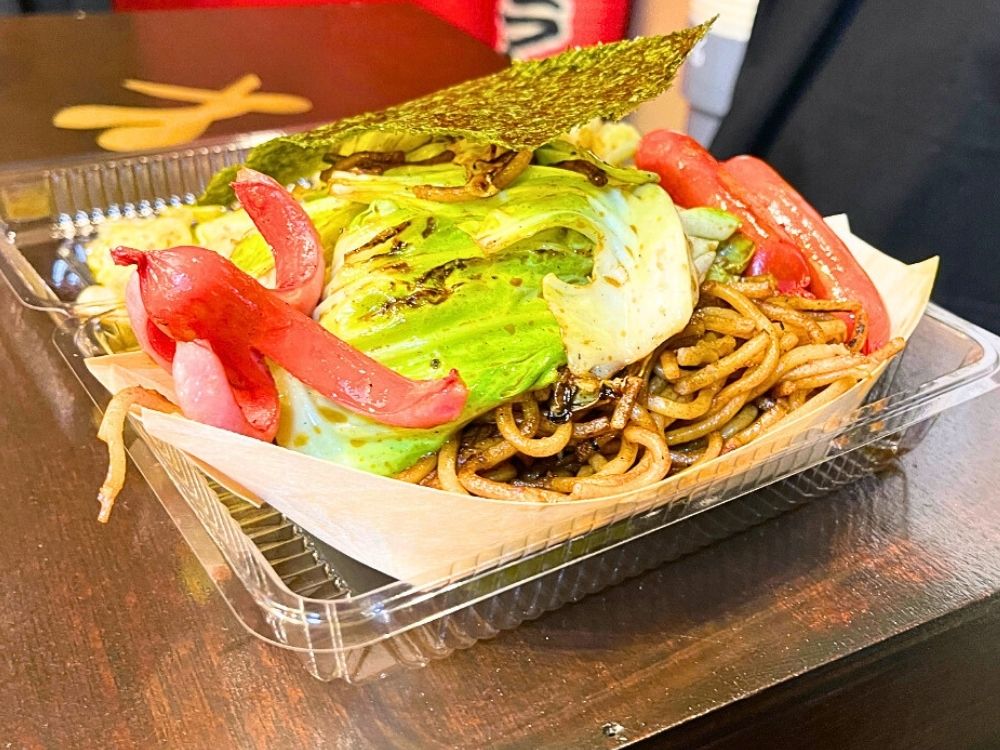
The menu centers on classic Japanese yakisoba, available in regular (¥600) and large (¥850) sizes. Portions are generous, with optional toppings such as cabbage, fried egg, and sausage, but the shop is known for pushing the idea further. A full circle of melted cheese can be layered over the noodles, and potato salad sometimes accompanies the dish, creating a combination that is unexpectedly satisfying. Diners can also finish their plate with a variety of self-serve toppings set out on the counter.
The chef-owner is known for his outgoing personality and creative touches. In addition to yakisoba, the menu includes playful extras such as quick portrait sketches or having your name written in kanji characters as a souvenir.
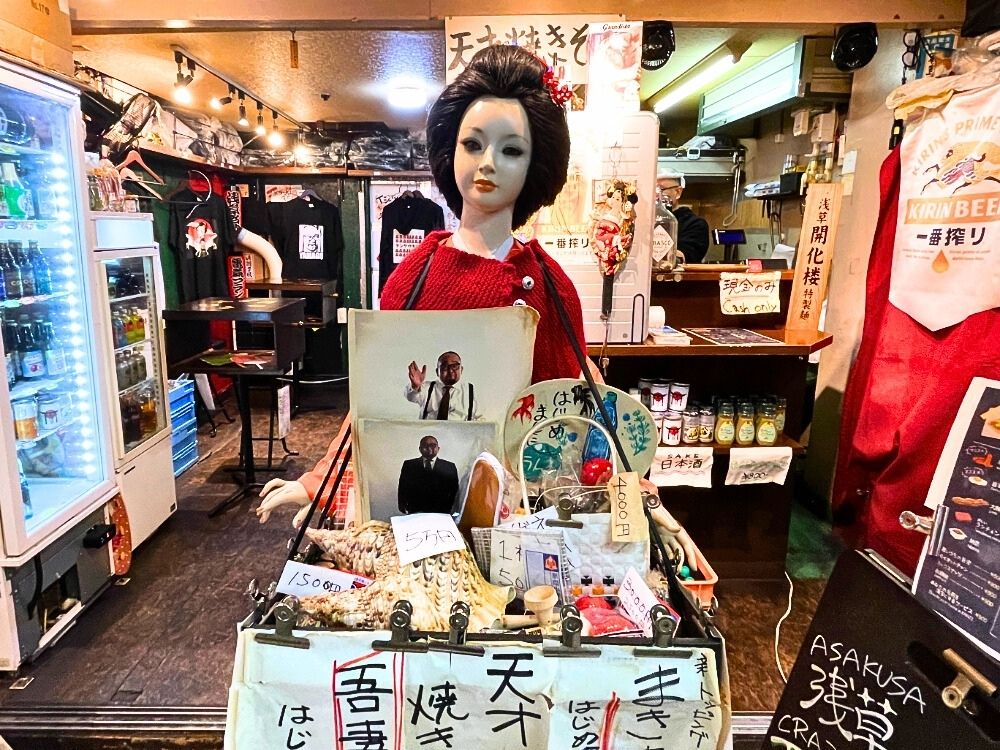
Near the entrance, a kimono-clad mannequin named Chikako acts as a cheerful mascot welcoming customers into the restaurant.
Asakusa Tensai Yakisoba New Koedo
Hours: 11:00 am – 11:00 pm (last order of yakisoba at 9:00 pm)
Closed: Wednesday
Instagram: https://www.instagram.com/asakusatensai/
SIAM TIME
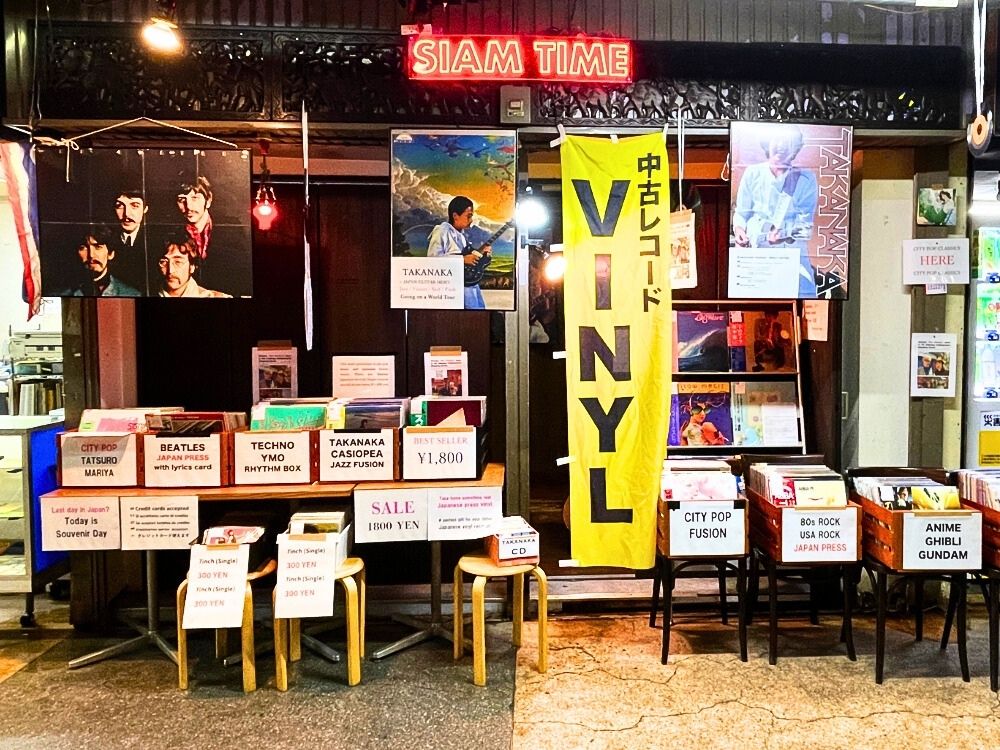
For music lovers, SIAM TIME offers a completely different kind of discovery. The small shop doubles as a bar and record store, with shelves filled with used vinyl records.
The owner is a deeply knowledgeable collector, and conversations about specific artists or recordings often arise while customers flip through the stacks. The selection leans heavily toward Japanese pressings. Browsing the bins may reveal city-pop favorites by artists such as Tatsuro Yamashita and Mariya Takeuchi, jazz-fusion records from Casiopea or Masayoshi Takanaka, or classic international releases like The Beatles. Anime soundtracks, including albums connected to Studio Ghibli or Gundam series, sometimes appear as well.
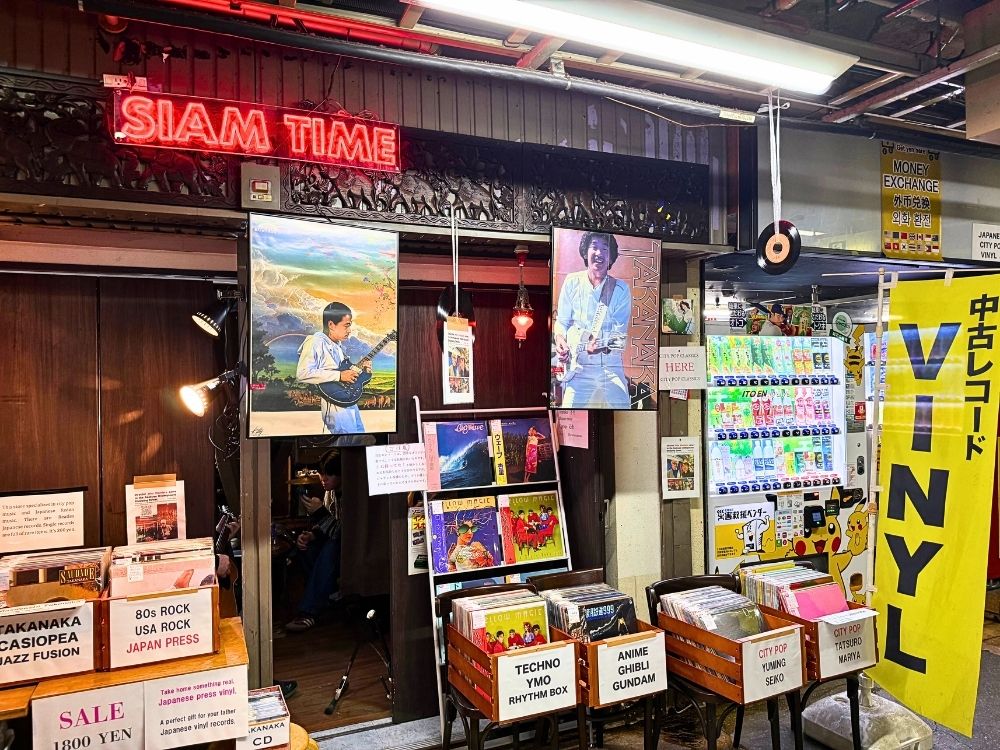
Alongside the vinyl selection, Siam Time also carries some CDs, with jazz-fusion artists such as Takanaka receiving particular attention. While specific records change frequently, the store rewards patient browsing.
SIAM TIME
Hours: 12:00 pm – 7:00 pm
Website: https://siamtime.net/
Instagram: https://www.instagram.com/siam_time/
NinjaBar
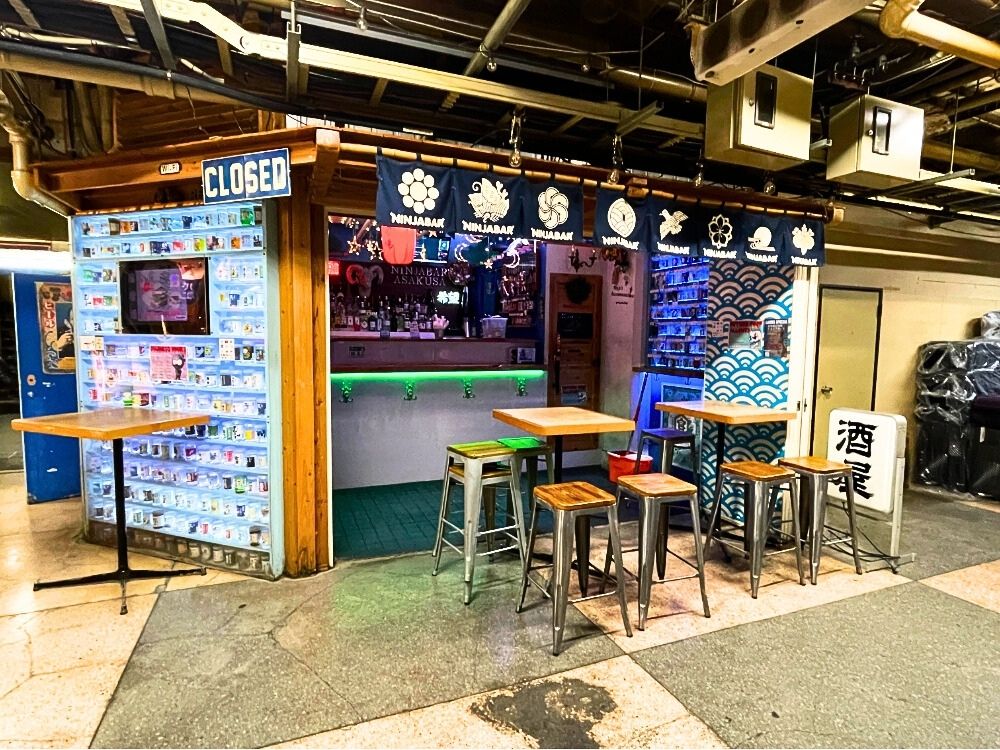
Another distinctive stop inside the shopping street is NinjaBar, a standing bar that blends playful theatrics with an impressively broad drink selection.
Inside, cocktails, shochu, whisky highballs, and other classic bar drinks are available, but sake is one of the real highlights. The bar offers more than 200 varieties of cup sake from across Japan, many of them displayed along the walls.
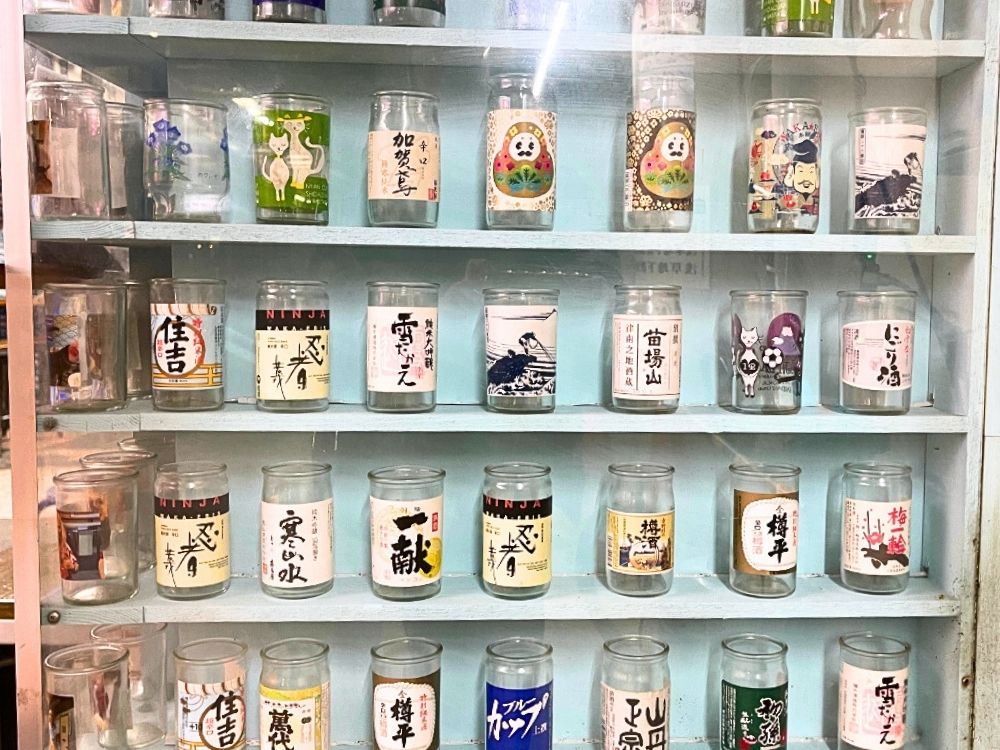
The small glass cups—often called one-cup sake—are stacked and arranged like a colorful gallery of labels from different regions. Many of the empty cups remain on display after they are finished, gradually building a patchwork of bottles that reflects the bar’s long list of visitors.
Here and there, photos of past guests appear among the rows of cups, giving the walls a slightly improvised scrapbook feel. The effect is part bar, part collection, and part international guestbook.
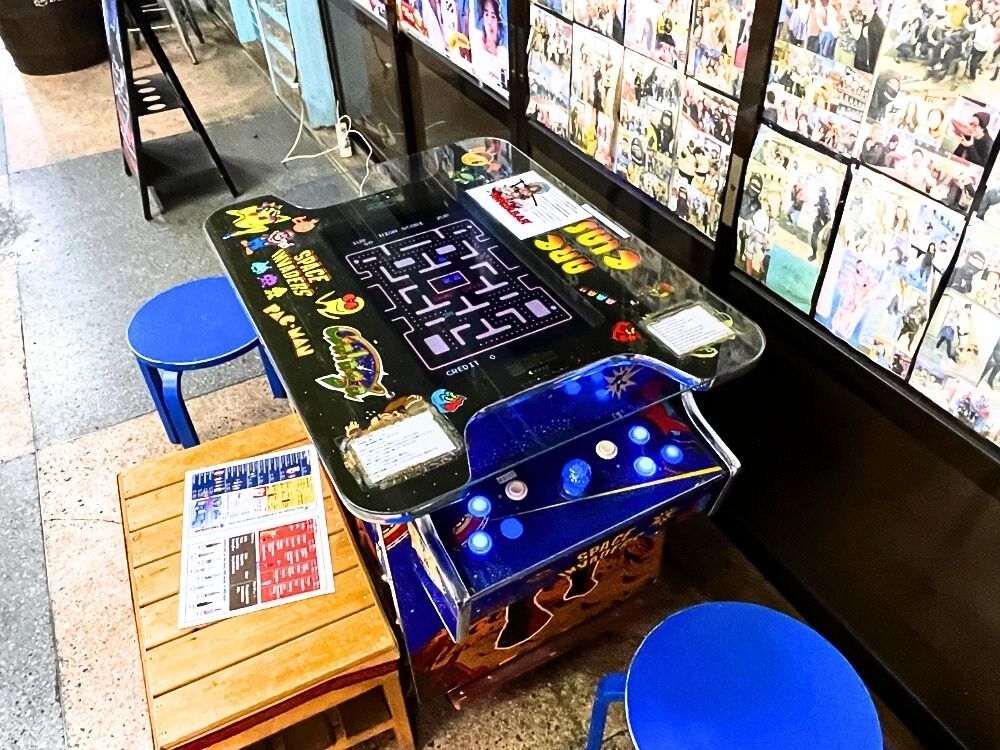
A Space Invaders arcade-table game adds another nostalgic touch, recalling the tabletop video games once common in Japanese cafes and bars.
📒 Note: A table charge applies to the first drink ordered after 8:00 pm.
NinjaBar
Hours:
[Mon – Fri] 6:30 pm – 12:00 am
[Sat – Sun] 3:30 pm – 12:00 am
Website: https://ninjadining.com/
Instagram: https://www.instagram.com/ninjabar_asakusa/
Donzoko
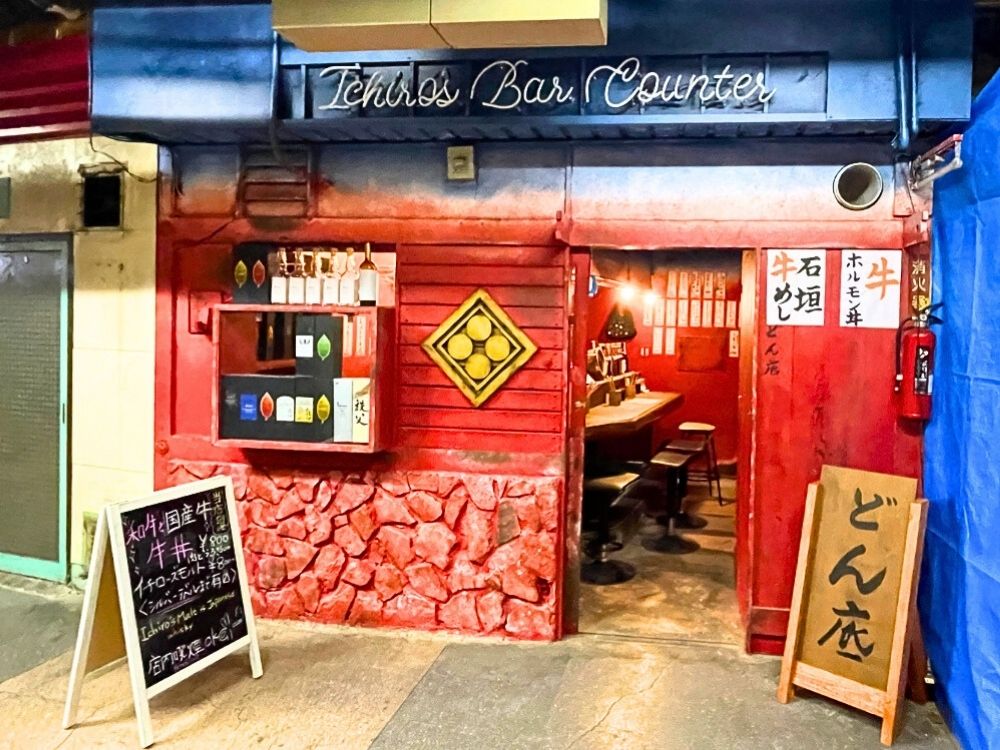
A few steps farther along the corridor, Donzoko offers a different rhythm. This small bar focuses on whisky and casual otsumami-style dishes, creating the kind of relaxed space where a quick drink can easily stretch into a longer stay.
Japanese whisky takes center stage here, including domestic bottles such as Ichiro’s Malt, though tequila also appears on the menu for those looking for something less traditional.
The food is designed for grazing alongside drinks. Small plates might include spicy pickled rakkyou onions, cheese-wrapped prosciutto, or compact rice bowls topped with domestic beef. Rather than a formal meal, the idea is to order a few dishes while working through a glass of whisky or a highball.
Donzoko is one of the newer establishments inside the underground shopping street, yet it already feels comfortably woven into the corridor’s atmosphere. One detail that visitors often appreciate is that there is no table charge, which is still common practice at many bars in Japan.
How to Get to Asakusa Underground Shopping Street from HOTEL TAVINOS Asakusa
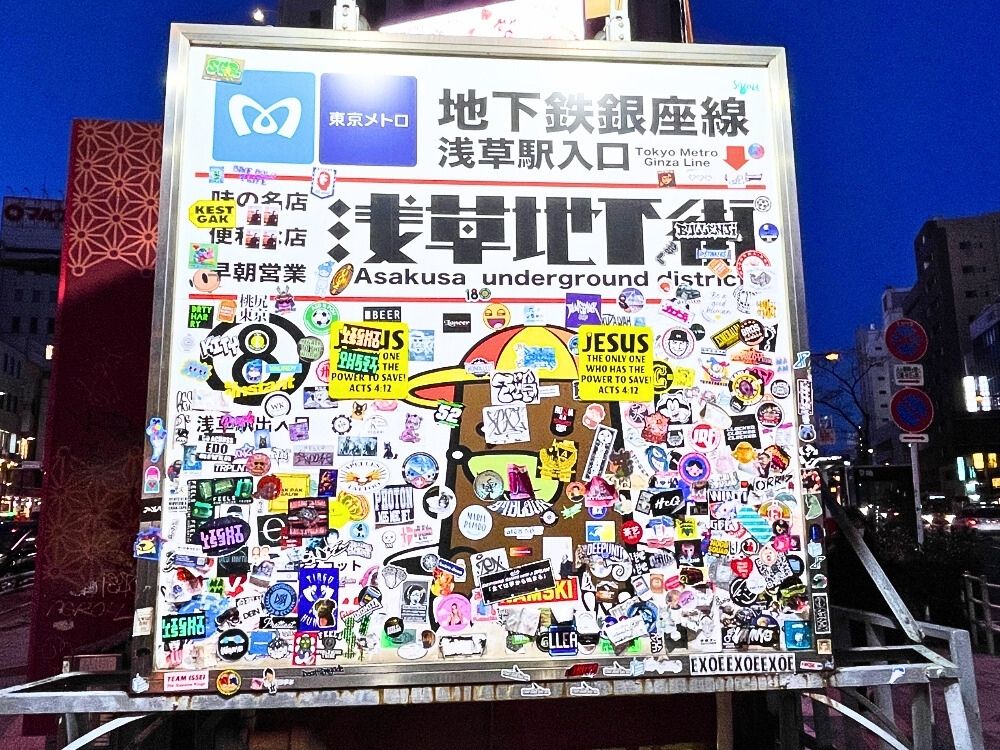
Asakusa Underground Shopping Street is about a 15-minute walk from HOTEL TAVINOS Asakusa.
From the hotel, walk toward Asakusa Station on the Tokyo Metro Ginza Line, which connects most directly to the underground arcade. As you approach the station area, look for Matsuya Asakusa department store along Kaminarimon-dori—the arcade entrance is nearby.
Once inside, the corridor can be explored in a leisurely 10- to 15-minute stroll, or you can linger longer at the bars and eateries before continuing to nearby attractions like Senso-ji Temple, Nakamise-dori Shopping Street, or the Sumida River waterfront.
Whether you’re looking for a quick detour between sightseeing stops or hoping to soak up a slice of old Tokyo atmosphere over drinks and conversation, Asakusa Underground Shopping Street offers a side of the neighborhood that most visitors walk right past.
Asakusa Underground Shopping Street
Address: 1-1-12 Asakusa, Taito-ku, Tokyo
Access: Directly connected to Tokyo Metro Ginza Line Asakusa Station near Exit 6
Hours: Opening hours vary by shop. Please check each store’s official website or social media for current information.
Website: https://asakusachikagai.com/
Instagram: https://www.instagram.com/asakusachikagai/
Writer
Lisa Wallin
A curious sojourner, Lisa Wallin has lived in Japan for about 15 years, along with 7 other countries. She has an insatiable appetite for local narratives, with a focus on regional culture, crafts and food. When not chasing stories, she enjoys coffee, visiting shrines, and exploring the country both with and without her dogs.