
Blog
Yanaka: A Half-Day Guide to Tokyo’s Old Town
© TCVB
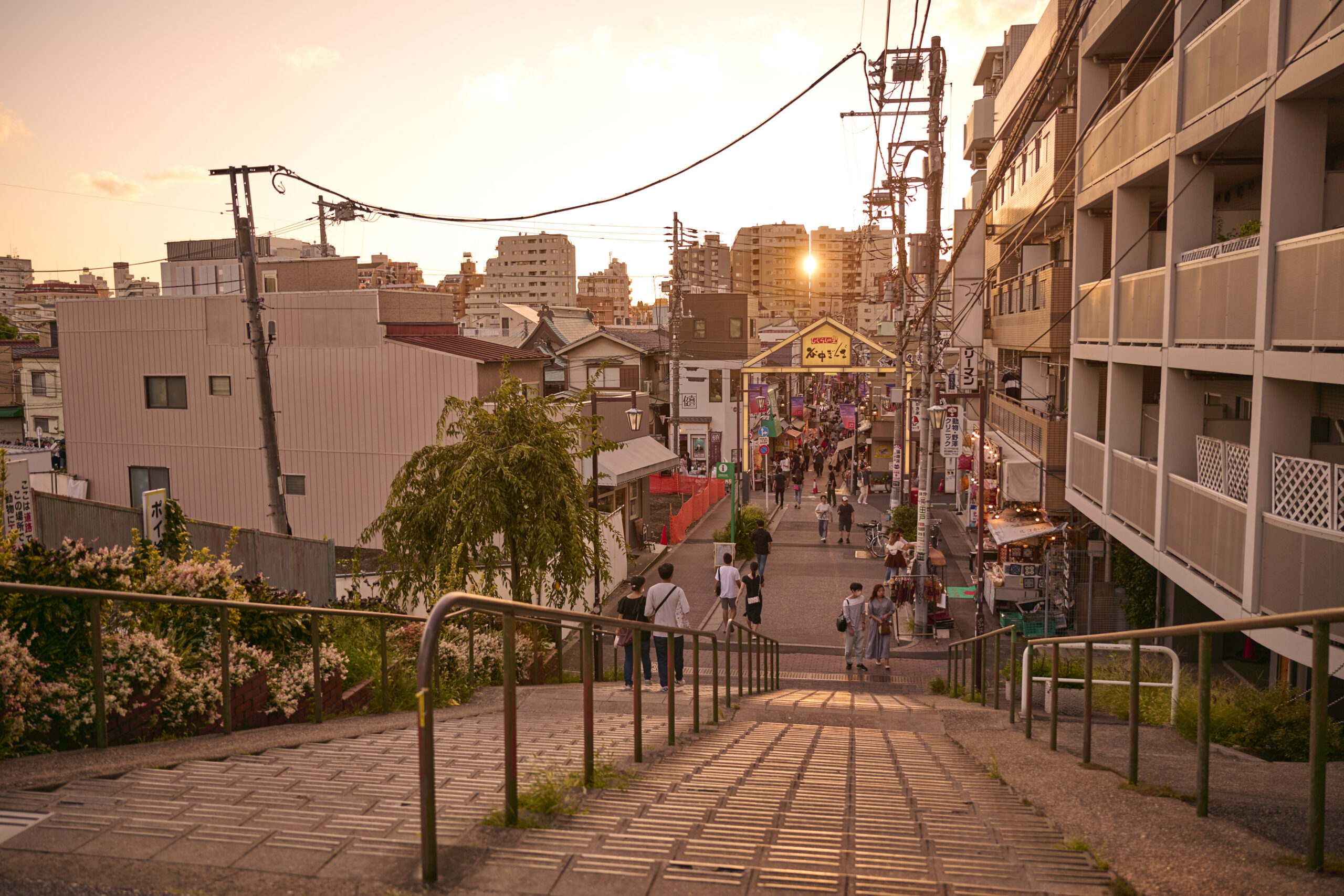
Beyond Tokyo’s neon-lit shopping districts, Yanaka offers a different view of the city through temple lanes, small shops, and everyday neighborhood life. At the heart of this outing is Yanaka Ginza shopping street, where local snacks, independent stores, and the nearby Yuyake Dandan staircase bring old Tokyo’s character into focus.
Content
Yanaka: A Glimpse of Tokyo’s Old Town Area
© TCVB
Yanaka is a neighborhood in Tokyo’s Taito Ward, southwest of JR Nippori Station and within walking distance of Ueno. Temple grounds, narrow lanes, and older wooden houses give parts of the area a more unhurried character than the city’s major shopping and entertainment districts. It is often associated with shitamachi, a term used for Tokyo’s traditional downtown neighborhoods.
That character has historical roots. Yanaka developed as a temple district during the Edo period (1603 – 1868), as temples were established or relocated here over the centuries. The area suffered comparatively less damage from later earthquakes and wartime air raids, allowing older streets and buildings to remain alongside more recent additions.
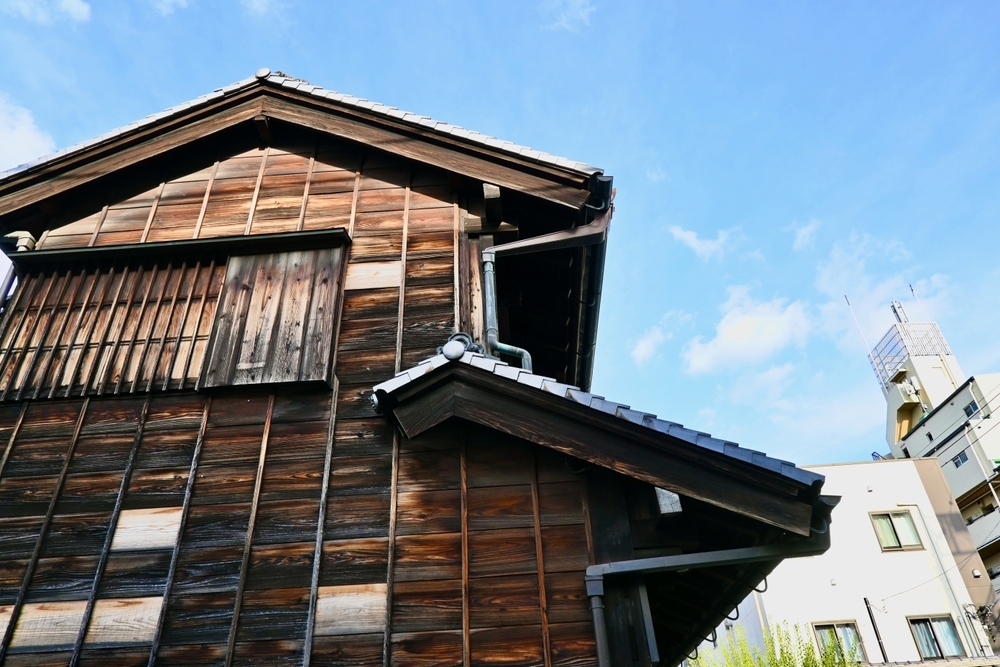
Today, Yanaka combines that history with small galleries, cafés, craft shops, and residential streets. A walk can shift from a busy storefront to a quiet temple approach within a short distance. Rather than a preserved museum quarter, it remains a neighborhood where people live and work.
What Is Yanaka Ginza Shopping Street?
© TCVB
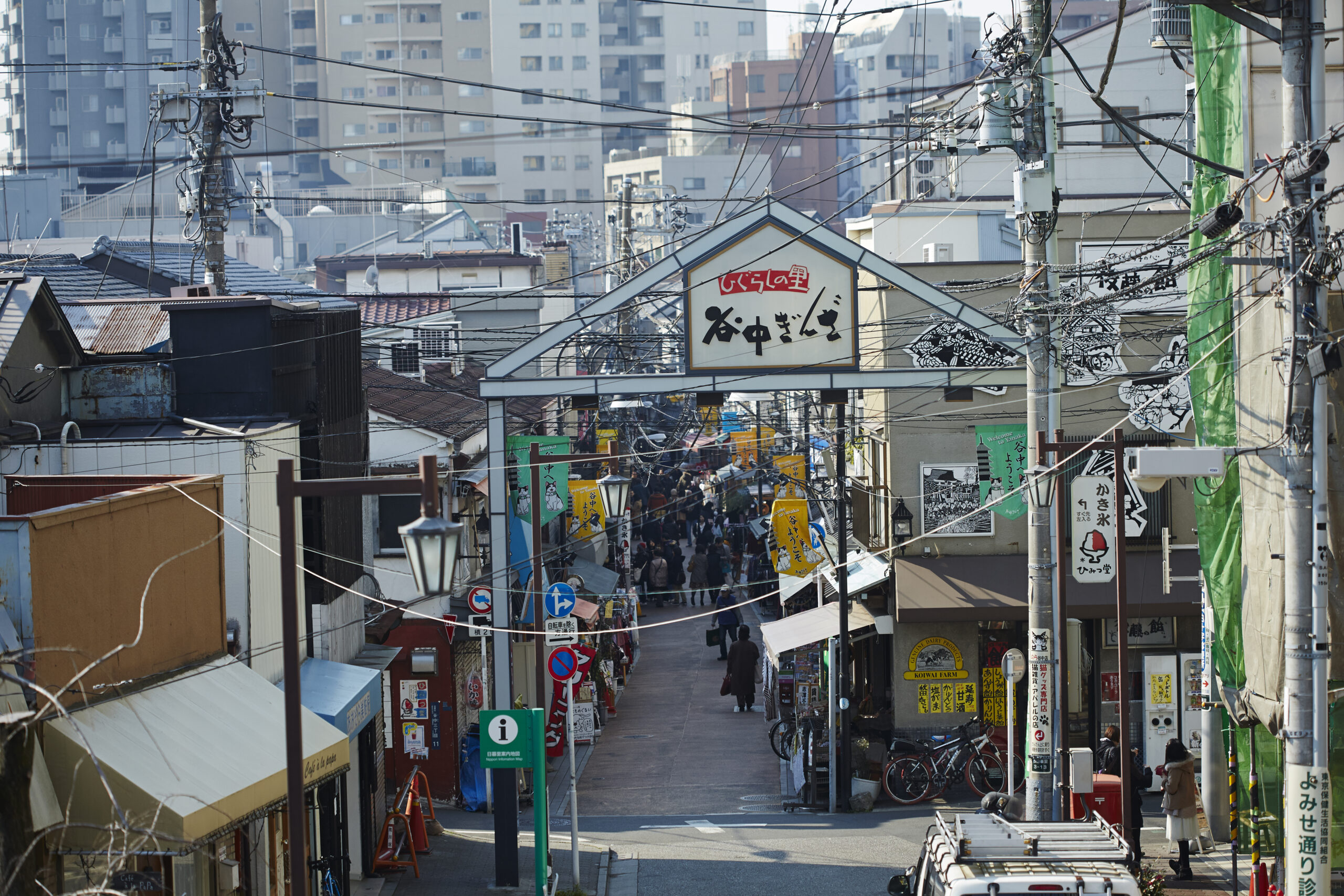
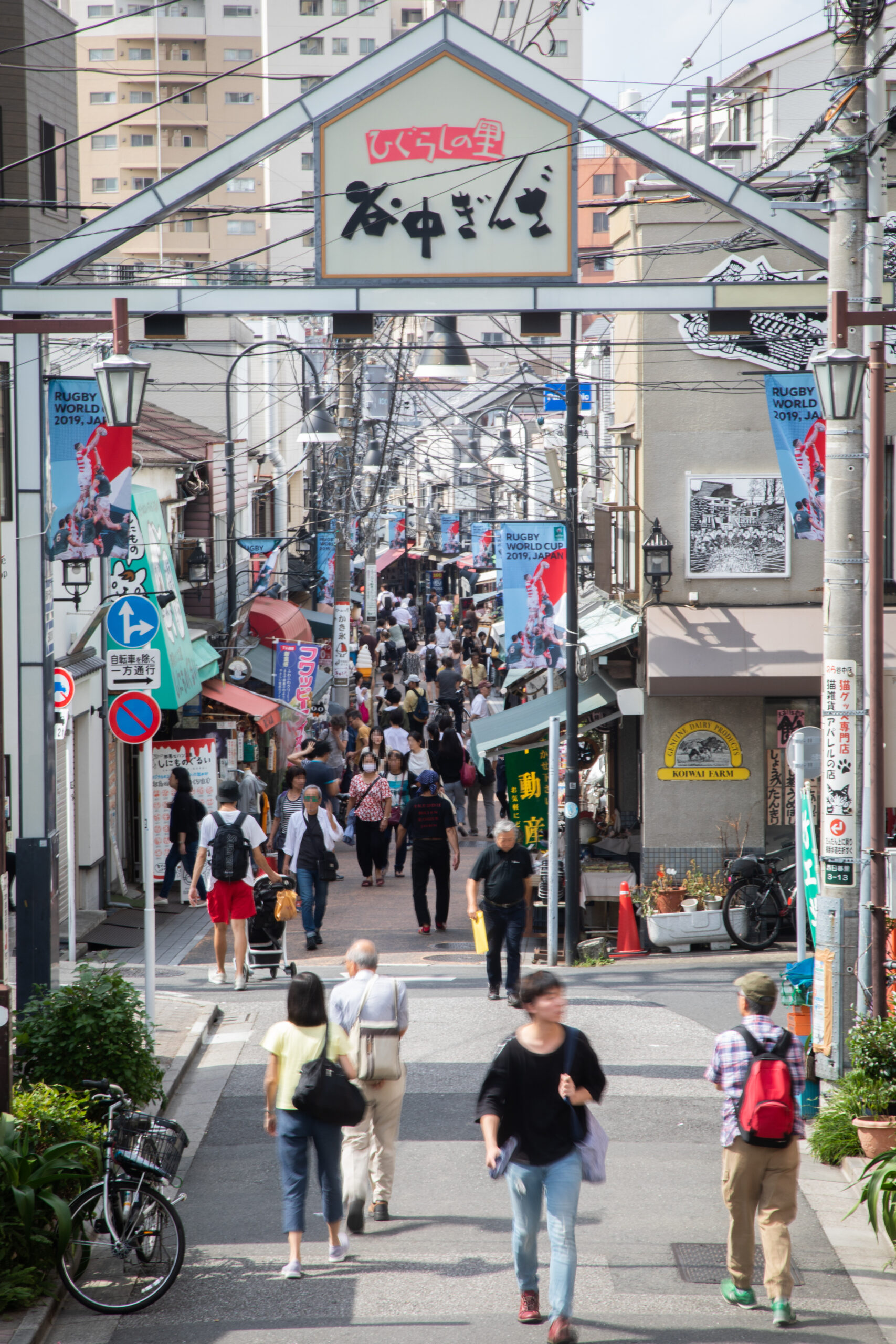
Within this wider neighborhood, Yanaka Ginza is a focal point for local shopping.
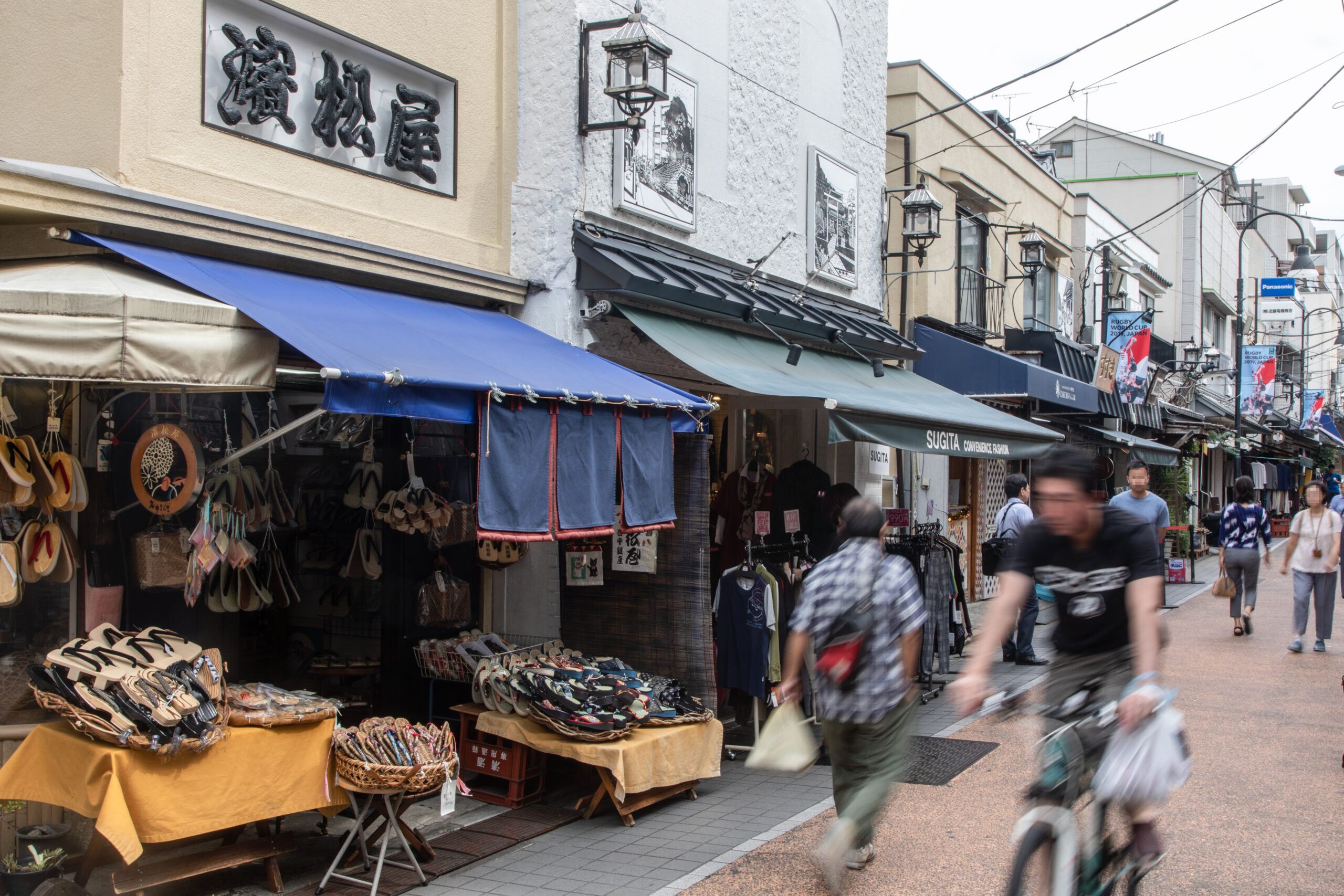
This traditional shotengai, or shopping street, stretches for about 170 meters, bringing together local food and everyday shopping into one easy-to-explore strip. It began taking shape in the 1940s and grew organically as a hub for neighborhood life. Its compact size makes it simple to navigate, yet the variety of small businesses tucked along the way rewards a slower, more leisurely visit over a rushed walk from end to end.
© TCVB
Nowadays, around 60 businesses line the street, bringing together food sellers, clothing stores, and shops for tea, ceramics, and household goods. Visitors can sample street food, browse for a useful souvenir, or settle into a café between stops. Cat-themed details add a playful element to the experience, while everyday shops keep the street connected to local life.
What to Do and Eat in Yanaka: A Quick Guide
Yanaka brings together food, shopping, and cat-themed details, while the surrounding streets lead to galleries, temples, and neighboring Nezu. The table below summarizes some of the must-visit destinations covered in this guide, including both stops on the shopping street and those in the wider area.
| Spot | What to see, do, or eat |
| JR Nippori Station’s West Exit | Cat ears, paw prints, and a tail incorporated into the station sign. |
| Yuyake Dandan | The walk up the slope and down the steps toward Yanaka Ginza; sunset views are now partly obstructed. |
| Yanaka Ginza shopping street | Independent shops, local snacks, everyday goods, and places for a café break. |
| Shichifuku Neko | The Seven Lucky Cats: wooden sculptures tucked into the shopping-street scenery. |
| Yanaka Shippoya | Baked cat-tail donuts, including the black-cocoa Tora variety with white chocolate chips. |
| Niku no Sato | Yanaka Menchi meat cutlets and Yanaka Korokke croquettes; fried foods are sold from noon. |
| Yanaka Cemetery | A respectful walk along tree-lined paths, with cherry blossoms in season. |
| Nezu-jinja Shrine | Historic shrine buildings and leafy grounds at the final sightseeing stop. |
Is Yanaka Worth Visiting?
Yanaka is definitely worth visiting for those looking to experience everyday Japanese life, especially its pre-war traditional atmosphere. The area is also well-suited for travelers who enjoy local food and independent shops. Food-focused visitors can sample a variety of small snacks, while souvenir shoppers can browse practical crafts and household goods rather than focusing on major brands.
For first-time visitors, it offers a refreshing change of pace from large shopping and entertainment districts, while repeat visitors will appreciate the chance to spend time in a more intimate neighborhood setting. Because it is less about checking off major attractions and more about enjoying the details in between, an unhurried approach is the best way to experience it.
1. Yuyake Dandan: The Steps Leading to Yanaka Ginza
© TCVB
No trip to Yanaka is complete without stopping by its most iconic landmark: the Yuyake Dandan steps.
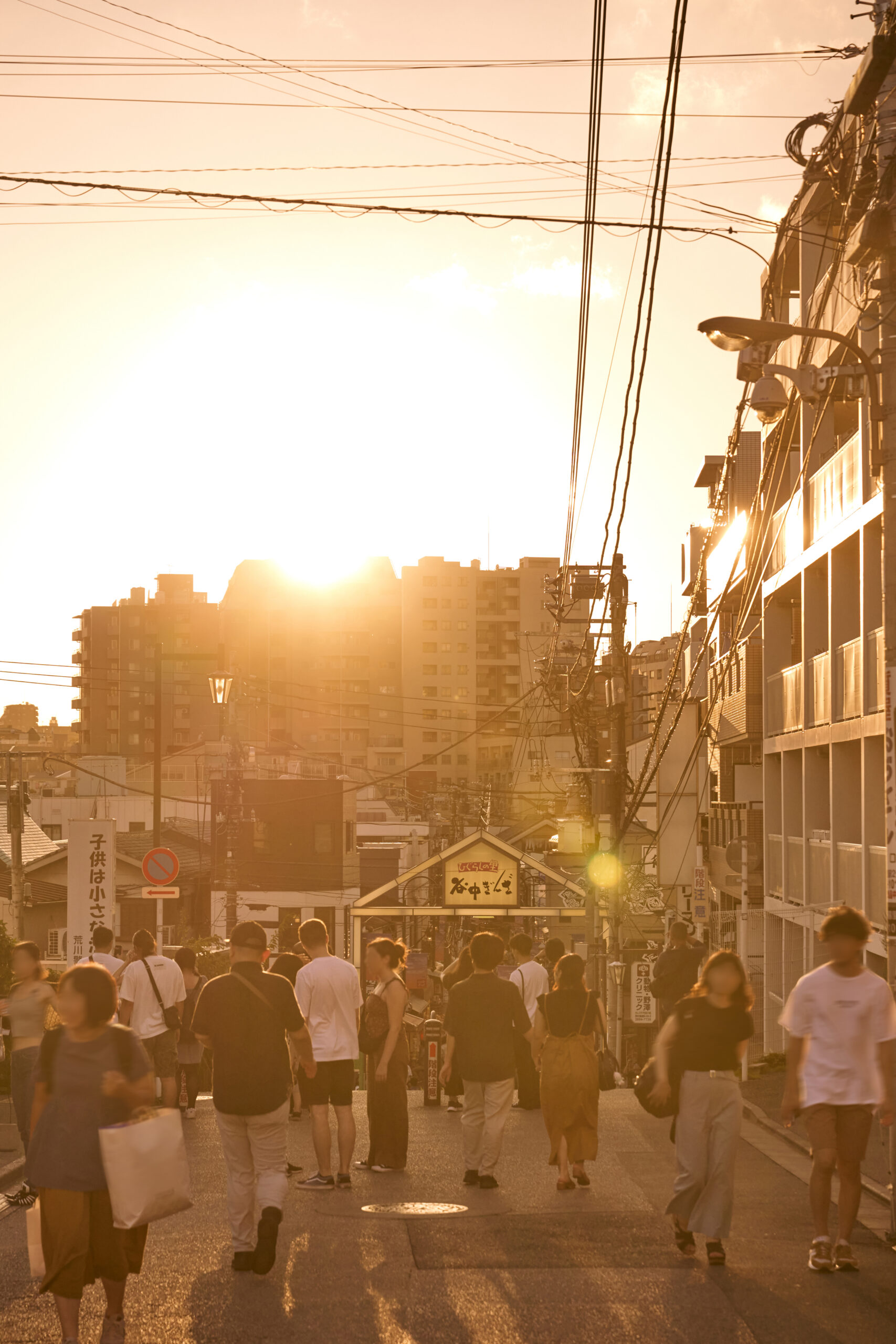
Yuyake Dandan, literally meaning “sunset staircase” in Japanese, is a 15-meter-long staircase at the Nippori-side approach to Yanaka Ginza. From the station’s West Exit, the route rises gently along Gotenzaka slope before reaching the steps, which descend toward the shopping street. The change in level creates a distinct sense of arrival, with the entrance and storefronts coming into view below, making the approach to Yanaka Ginza part of the experience.
The name Yuyake Dandan reflects the sunset views associated with this spot, where the shopping street’s lights and the people gathering below became part of its nostalgic appeal. That everyday scene, rather than a grand monument, gives the staircase its connection to Yanaka Ginza.
However, in recent years, apartment construction beside Yuyake Dandan has partially obscured the view of the sunset sky from the steps. Older photographs may therefore show a more open outlook than visitors find today.
2. Cat-Themed Finds and Everyday Local Shops
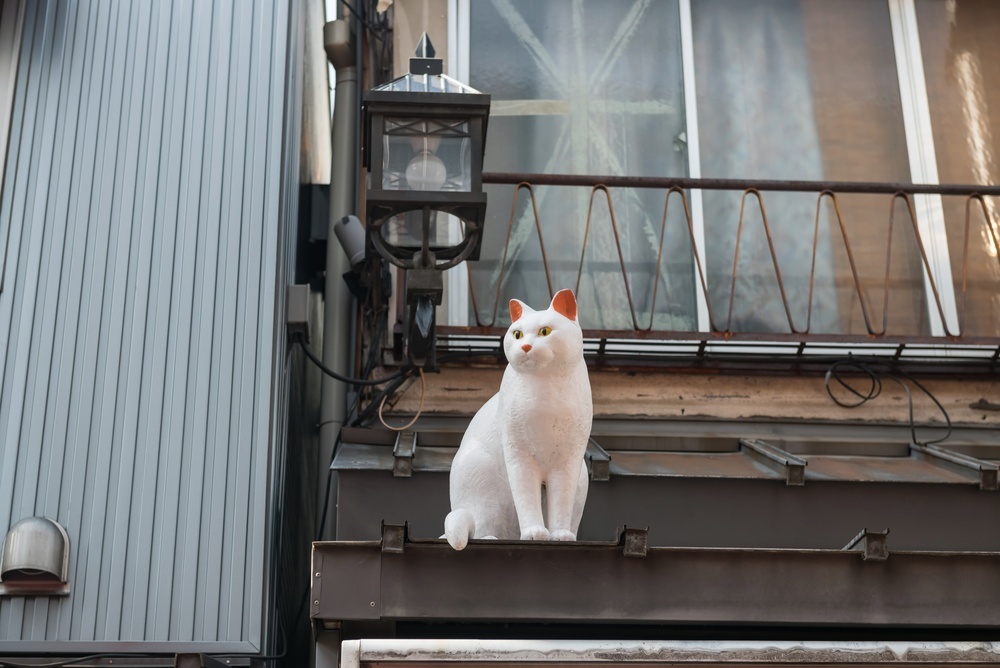
Yanaka is also one of the most famous “cat towns” in Tokyo. Its reputation is reflected in the feline-themed decorations, souvenirs, and sweets found throughout Yanaka Ginza.
2-1. Shichifuku Neko
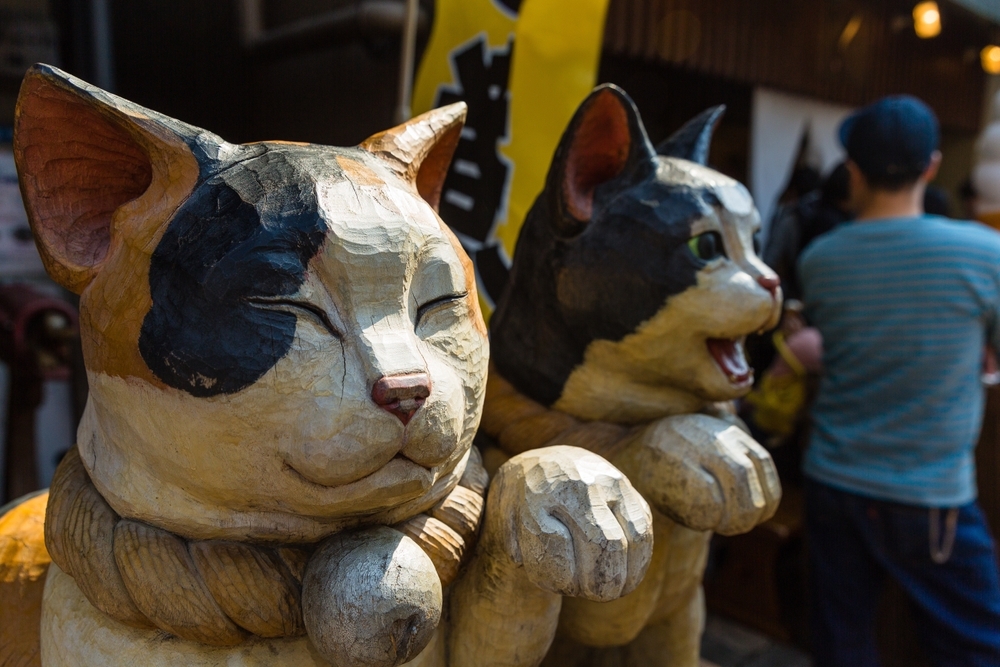
One of the street’s most charming attractions is a collection of seven wooden cat sculptures known as the Shichifuku Neko, or “Seven Lucky Cats.”
Tucked around shop entrances, signs, and rooftops, these figures blend seamlessly into the everyday scenery. Searching for their various hiding spots gives visitors a reason to look beyond the shop windows and notice details that are easy to overlook at first glance.
2-2. Cat-Themed Souvenirs and Collectibles
The feline theme extends beyond the shopping street into the surrounding independent stores. For example, TIM & SAILOR brings together vintage feline collectibles alongside works by artists who specialize in cat-inspired pieces, while Nekomachi Gallery occupies a house in a quiet residential area and hosts changing exhibitions of cat-inspired art, from ceramics and paintings to sculptures and photography.
These stops add welcome variety to any souvenir hunt, with options ranging from practical keepsakes to purely decorative finds.
TIM & SAILOR
Address: 101, 3-13-8 Yanaka, Taito-ku
Instagram: https://www.instagram.com/timandsailor/
Nekomachi Gallery
Address: 2-6-24 Yanaka, Taito-ku
Instagram: https://www.instagram.com/gallery.nekomachi/
2-3. JR Nippori Station
Interestingly, the cat theme begins even before visitors arrive at the shopping street. At JR Nippori Station, the West Exit sign incorporates cat ears, paw prints, and a tail into its Japanese lettering — offering a playful preview of the feline touches that await just ahead.
3. Street Food and Japanese Sweets in Yanaka Ginza
Street food adds another reason to linger on Yanaka Ginza shopping street. A savory snack, a sweet treat, and a café break make a flexible alternative to one large meal, leaving room to enjoy several businesses without feeling obliged to visit every stop.
3-1. Yanaka Shippoya
For a cat-themed sweet follow-up, Yanaka Shippoya sells handmade donuts shaped like cats’ tails. The treats are baked rather than fried, with patterns and names that make choosing one part of the fun. Regular varieties are joined by changing seasonal creations.
One example is Tora, made with black cocoa dough and white chocolate chips and finished with a striped design. It combines a playful nod to Yanaka’s cat-lover character with an easy snack for an afternoon of browsing.
Yanaka Shippoya
Address: Yanaka 3-11-12, Taito-ku
Hours:
[Weekdays] 10:00 am – 6:00 pm
[Weekends & Holidays] 10:00 am – 7:00 pm
3-2. Niku no Sato (Yanaka Menchi Cutlet)
Niku no Sato, a butcher shop selling prepared foods, offers local street snacks including Yanaka Menchi meat cutlets and Yanaka Korokke croquettes. Its Yanaka Menchi combines Japanese beef, including A5-grade wagyu, with a small amount of pork. A crisp coating and substantial filling make it a satisfying choice for a snack-focused visit.
Another nearby wagyu butcher, Niku no Suzuki, offers delicious fried cutlets and slow-cooked pork. Prepared over four hours using three traditional sauces, it’s an ideal spot for a tasting comparison.
Niku no Sato
Address: 3-13-2 Yanaka, Taito-ku
Hours: 10:30 am – 7:30 pm
*Fried foods are sold from noon.
Niku no Suzuki
Address: 3-9-15 Yanaka, Taito-ku
Hours: 10:30 am – 6:00 pm
3-3. WAGURI-ya
WAGURI-ya, a specialist in Japanese chestnuts, offers Mont Blanc desserts and chestnut parfaits. Its Mont Blanc selections are served only in the shop, making it a choice for a sit-down dessert rather than a takeaway snack.
WAGURI-ya (Yanaka Main Store)
Address: 3-9-14 Yanaka, Taito-ku
Hours: 11:00 am – 5:30 pm
Instagram: https://www.instagram.com/waguriya/
4. Yanaka Cemetery and Tennoji Temple
© TCVB
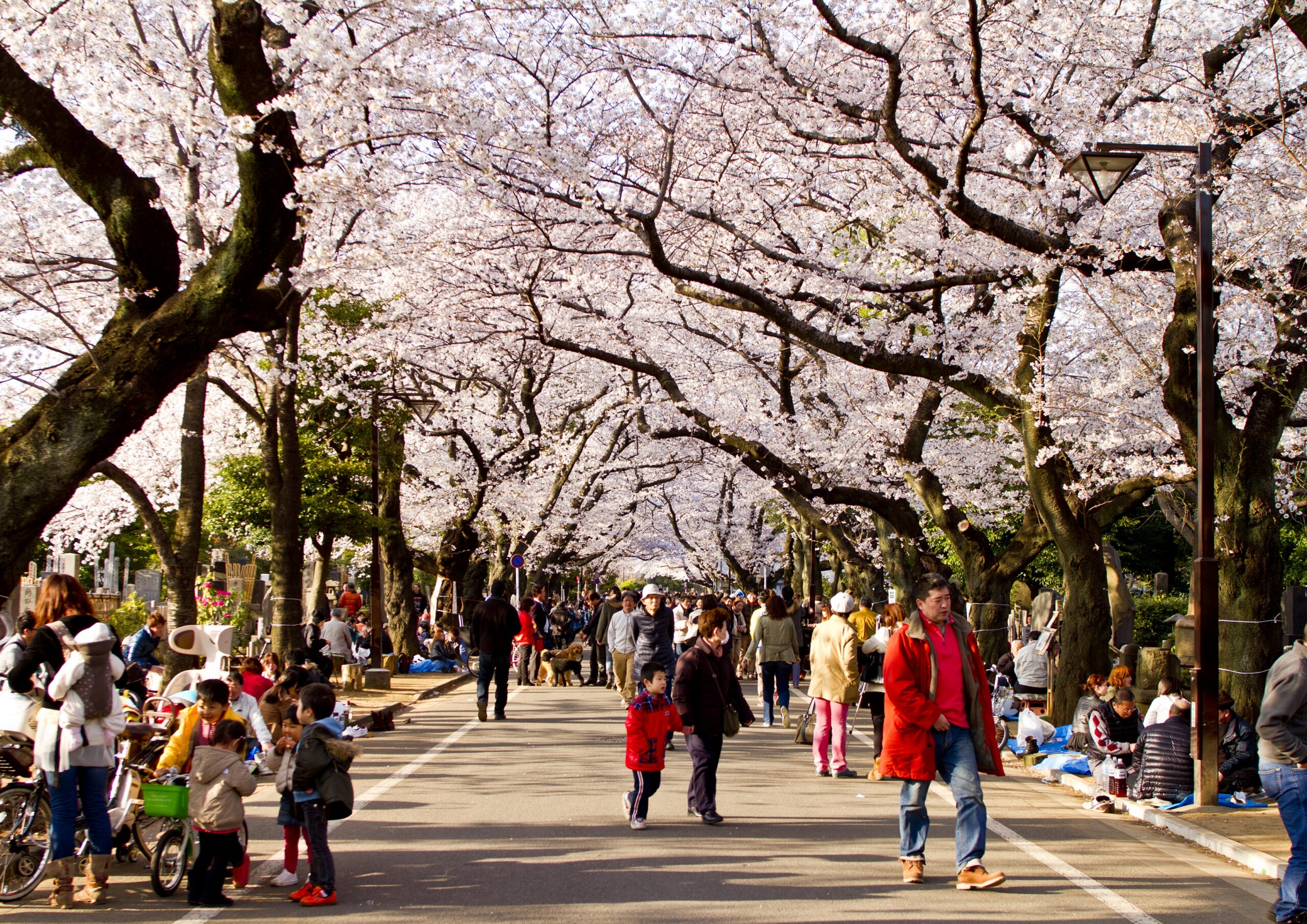
The wider walk begins on the Nippori side of Yanaka, where Yanaka Cemetery has tree-lined paths and a central avenue of cherry blossom trees. Spring brings seasonal color, but the setting also provides a quiet contrast to the shopping street at other times of year.
This is an active place of remembrance, not simply a sightseeing park. A short, respectful walk along the main paths allows visitors to appreciate the setting while giving space to people visiting family graves.
Nearby Tennoji Temple is believed to date back to the Kamakura period (1185 – 1333). A late-morning visit to the temple and cemetery fits neatly before the shopping-street food around noon.
Yanaka Cemetery
Address: 7-5-24 Yanaka, Taito-ku
Tennoji Temple
Address: 7-14-8 Yanaka, Taito-ku
5. Nezu-jinja Shrine
© TCVB
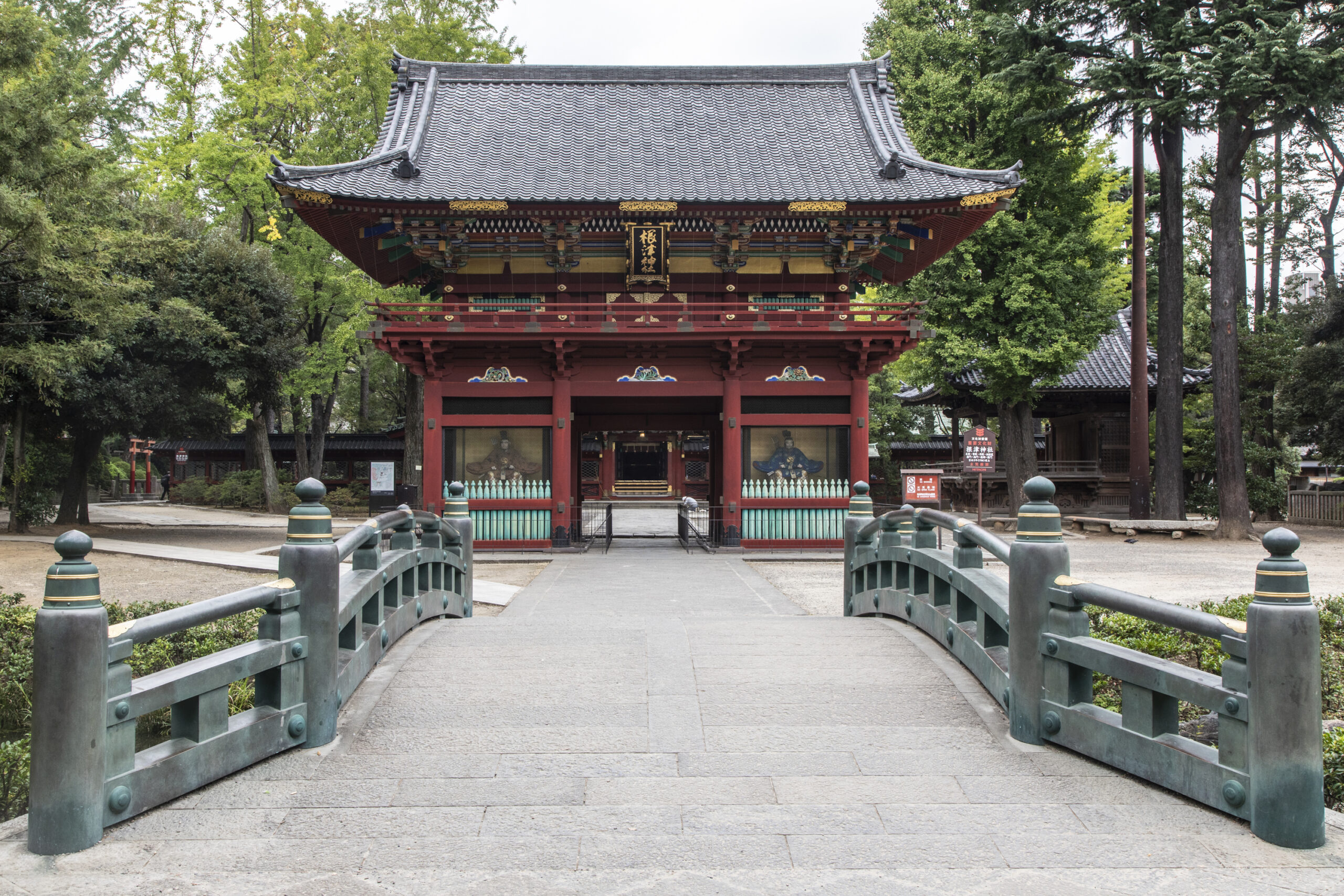
In the neighboring Nezu area, historic shrine buildings, leafy grounds, and rows of red torii gates offer a different setting from the storefronts. The torii gates line the approach to Otome Inari-jinja Shrine within the grounds of Nezu-jinja Shrine, adding another detail to appreciate during a respectful visit.
The hillside azalea garden is a seasonal addition that opens during the spring Bunkyo Azalea Festival, usually held in April. Outside that period, the shrine buildings and torii-lined path still make the shrine a worthwhile final stop.
A Half-Day Itinerary Around Yanaka
Yanaka forms the area commonly called Yanesen together with neighboring Nezu and Sendagi — a name created by combining the first kanji character of each neighborhood. Because these three areas are within easy walking distance of one another, tourists usually visit them together.
A relaxed half-day walking itinerary takes about four to five hours, covering key spots such as Yanaka Ginza, Yanaka Cemetery and Nezu-jinja Shrine. While the cemetery and temple are located in Yanaka, the shrine sits between Nezu and Sendagi, making it ideal for a one-way walk that starts at Nippori Station and finishes at either Nezu or Sendagi Station.
If you have some extra time to spare, it is also highly recommended to wander beyond Yanaka and explore the surrounding neighborhoods.
How Much Time to Spend Around Yanaka
| Spot | Suggested time |
| Yuyake Dandan | 15–20 minutes |
| Yanaka Ginza | 80–95 minutes |
| Tennoji Temple and Yanaka Cemetery | 45–55 minutes |
| Nezu Shrine | 35–45 minutes |
| Nezu Station | 10–15 minutes |
Practical Tips for Visiting Yanaka
When to Visit and How to Check Shop Hours
Yanaka Ginza shopping street does not have a single shared opening time or designated closing day, as each business operates independently. That said, arriving around noon is a practical target for visitors hoping to enjoy both food and shopping, including the fried snacks at Niku no Sato.
While some restaurants remain open into the evening, not all daytime shops stay open after dark. Evening visitors are better off selecting a specific restaurant in advance and confirming its hours, rather than assuming the daytime shops will still be open.
Eating, Photography, and Neighborhood Etiquette
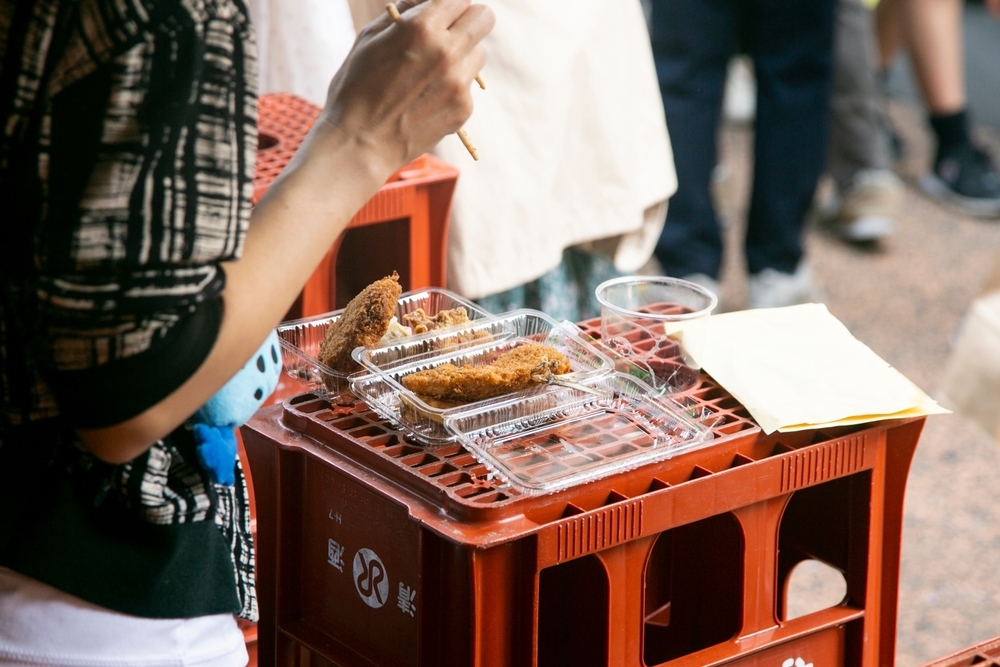
Food stops are best approached as a series of individual purchases to be enjoyed at suitable spots along the way, rather than an opportunity to eat continuously while walking. Visitors are encouraged to keep entranceways clear and dispose of packaging responsibly, either by taking it with them or using any disposal points provided for customers.
At Yanaka Cemetery, management kindly asks visitors to respect the peaceful atmosphere and to be considerate of those who are there to pay their respects. Visitors should refrain from entering private grave plots or posting photographs of the cemetery and its graves on social media without prior permission.
How to Get to Yanaka Ginza
Yanaka Ginza is easily accessible from most areas in Tokyo, as it is served by multiple train lines including the JR and Tokyo Metro networks.
JR Nippori Station serves as a particularly convenient gateway, located just a five-minute walk from the West Exit.
Alternatively, Sendagi Station on the Tokyo Metro Chiyoda Line is also just a five-minute walk away.
From HOTEL TAVINOS Hamamatsucho to Yanaka Ginza
For guests staying at HOTEL TAVINOS Hamamatsucho, JR Hamamatsucho Station is approximately an eight-minute walk away. From there, the inner-loop JR Yamanote Line runs directly to Nippori Station via Tokyo and Ueno in about 18–20 minutes. Northbound Keihin-Tohoku Line local trains also stop at Nippori, but daytime rapid services do not.
Around 40–45 minutes is a comfortable planning allowance from the hotel to the shopping street, including the walks to and from the stations and a short wait for a train. No train transfer is needed on the Yamanote Line route.