
Blog
Tokyo Tower and TOKYO SKYTREE at Night: Best Photo Spots and Itinerary Ideas
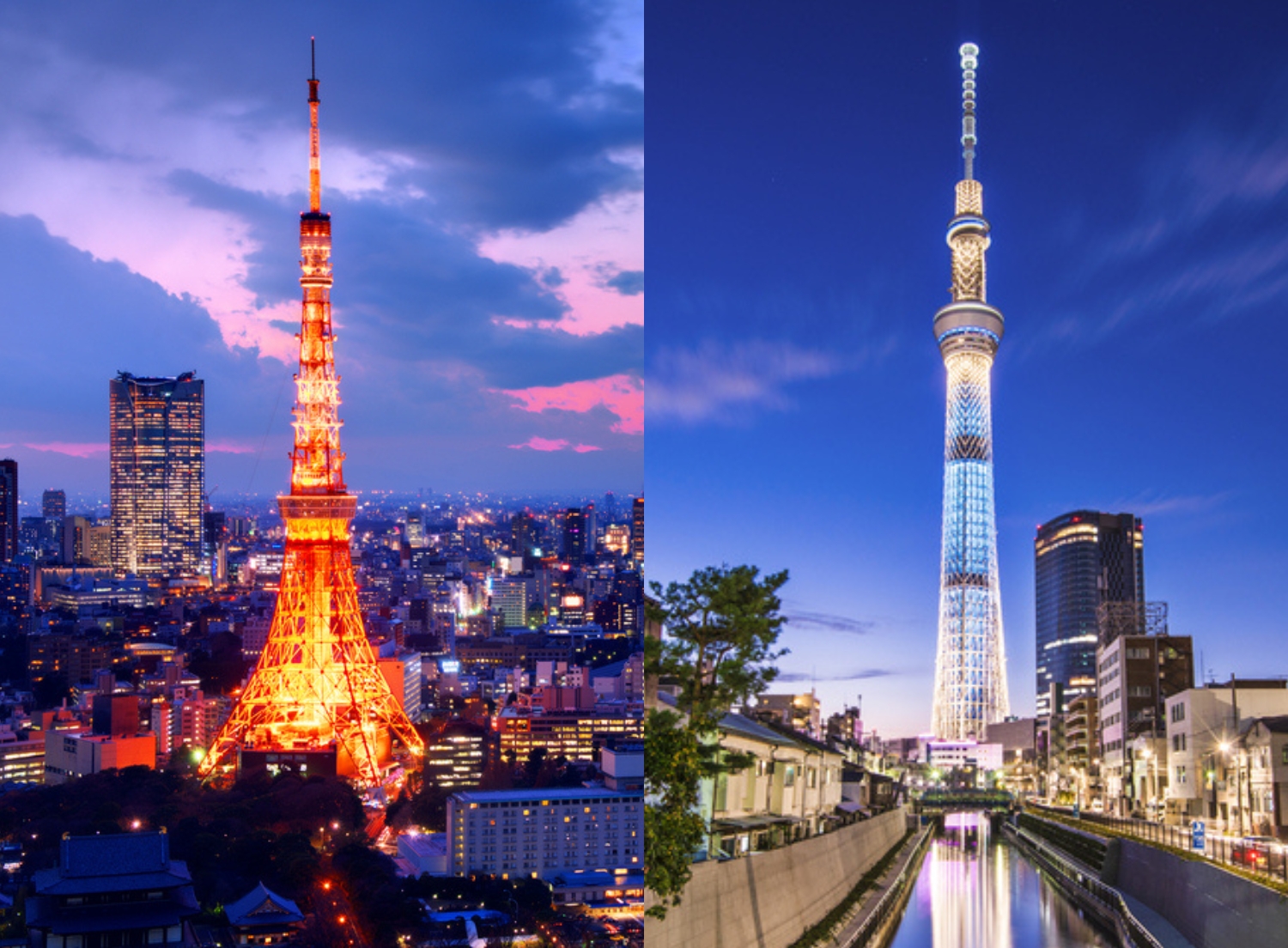
Tokyo Tower and TOKYO SKYTREE offer two very different but equally rewarding ways to experience the city after dark. For travelers chasing stunning night views, photogenic city walks, and a great evening out, these two landmarks are hard to beat. Rather than heading straight up to an observation deck, this guide focuses on enjoying both from the outside — covering some of the best vantage points to take them in, and how to explore the surrounding neighborhoods on foot at night.
Content
Tokyo Tower vs TOKYO SKYTREE at Night: Which One Should You Choose?
For first-time visitors to Tokyo, Tokyo Tower and TOKYO SKYTREE are two of the city’s most recognizable landmarks. Tokyo Tower is beloved for its classic silhouette and warm orange glow — a timeless symbol of Japan’s Showa era (1926 – 1989) — while TOKYO SKYTREE holds the title of the world’s tallest tower at 634 meters, its sleek modern frame rising dramatically above eastern Tokyo near the Sumida River and Asakusa.
Both are well worth visiting — especially after sunset when the lights come on — but they offer distinctly different moods and ways to take in the view. Choosing between the two is less a matter of which is more impressive, and more a question of what kind of evening you’re looking for:
| Tokyo Tower | TOKYO SKYTREE | |
| Best for | Travelers who want a classic Tokyo night view | Travelers looking to pair their visit with Asakusa or a nearby commercial complex (TOKYO Solamachi) |
| What makes it special at night | Shifts between seasonal (summer/winter) light-up designs, with the Infinity Diamond Veil every Monday and Thursday | Rotates through three nightly lighting designs on weekdays, with special illuminations on weekends and specific dates |
| Ideal evening plan | A relaxed night walk from Hamamatsucho with multiple tower views along the way | An evening stroll through Asakusa followed by night views of Skytree |
In short, both landmarks are well worth adding to a Tokyo night itinerary, and the choice simply comes down to the mood you’re after.
Tokyo Tower at Night: A Classic Tokyo View
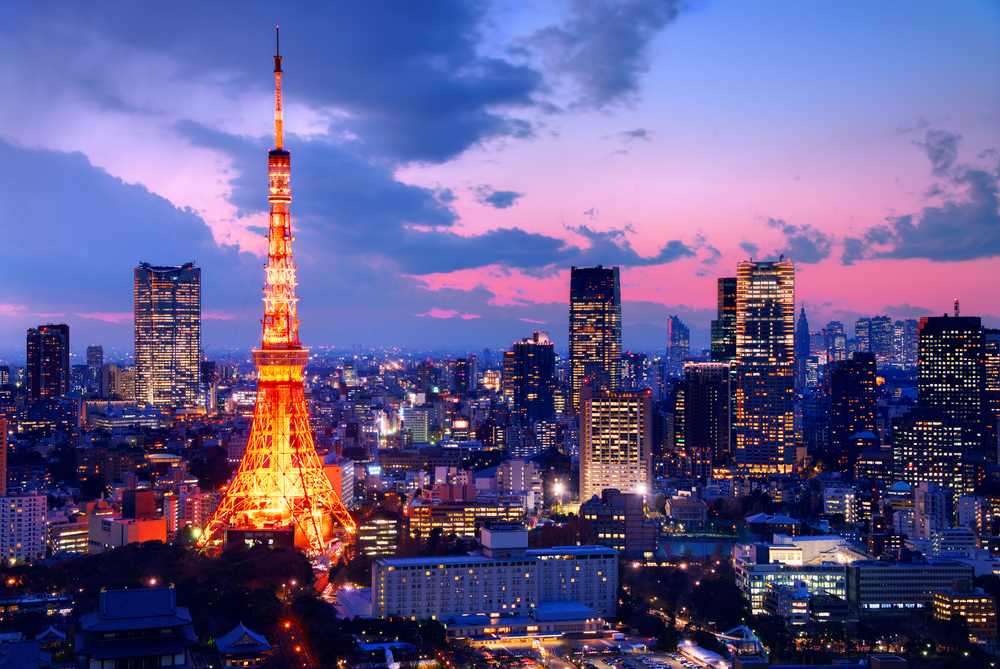
Completed in 1958, Tokyo Tower stands as one of the city’s most enduring symbols. Rising 333 meters tall, it was originally built as a broadcasting tower and drew partial inspiration from the Eiffel Tower with its distinctive white and international orange color scheme. Today, while the tower still serves a communications function, it is far better known as a sightseeing landmark, drawing visitors to its observation decks and seasonal illuminations year-round.
What makes Tokyo Tower appealing for travelers is not only the landscape views from the tower, but also how naturally it fits into the streets around it. As the sky darkens, Tokyo Tower’s warm illumination stands out beautifully against the darker skyline. The surrounding office buildings and neighborhood corners help frame it in a way that feels unmistakably Tokyo, making it especially rewarding to enjoy from the outside while strolling through the surrounding area.
Best Tokyo Tower Photo Spots at Night
Tokyo Tower is beautiful from many angles after dark, but some places capture its atmosphere especially well. The following spots are recommended for travelers who want to photograph the tower from the outside while enjoying the surrounding city streets at night.
1. Zojo-ji Temple
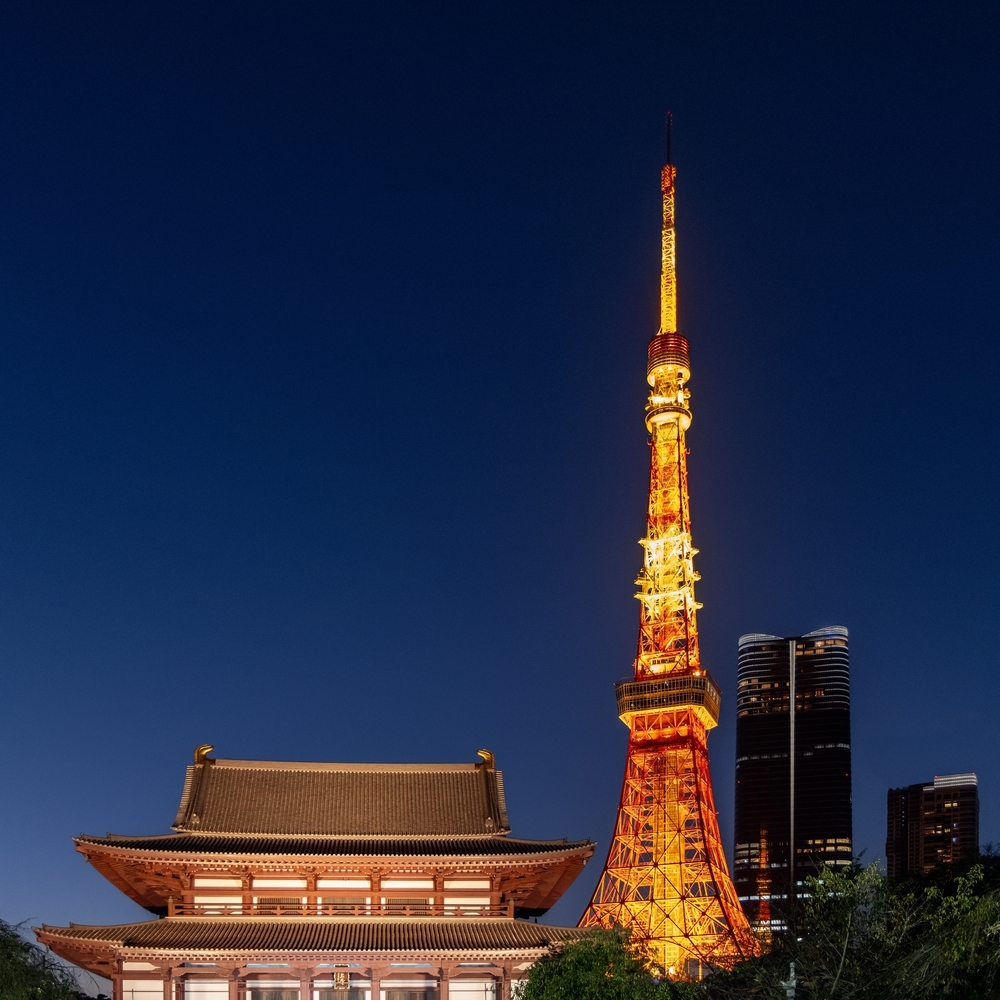
Zojo-ji Temple is a historic Buddhist temple in central Tokyo with deep ties to the Tokugawa shogunate. Standing right next to Tokyo Tower, its traditional architecture and quiet grounds create a striking contrast with the modern glow of Tokyo Tower behind it.
2. Shiba Park
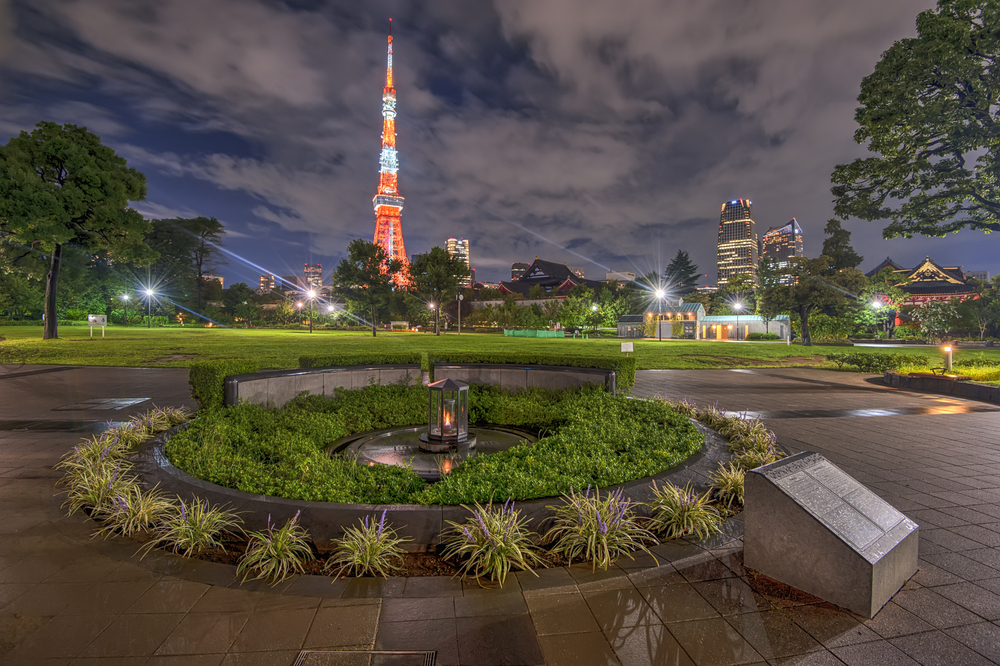
Sitting adjacent to Zojo-ji Temple, Shiba Park is a green oasis in the middle of the city and a strong all-around choice for night photography, offering open footpaths and multiple angles toward Tokyo tower. It works especially well for wider, more relaxed evening shots.
3. Akabanebashi Station Area
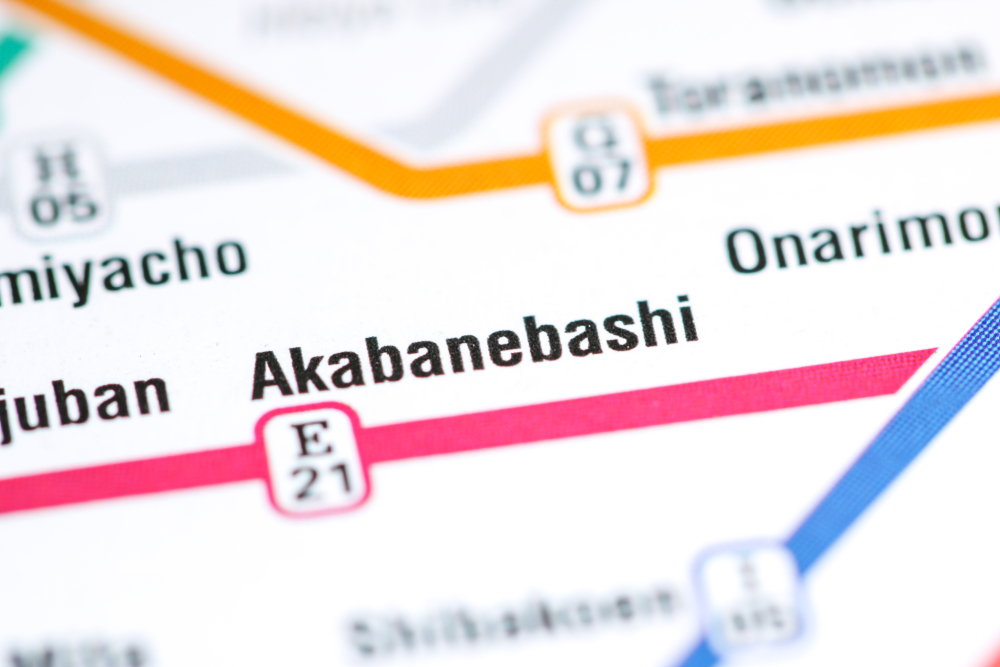
Served by the Toei Subway Toei Oedo Line, Akabanebashi Station is one of the closest subway stops to Tokyo Tower — and the tower makes its presence known almost immediately upon exiting. It’s a good pick for street-level views where the structure rises suddenly above the surrounding roads and buildings.
What to Do Near Tokyo Tower: Hamamatsucho Night Itinerary
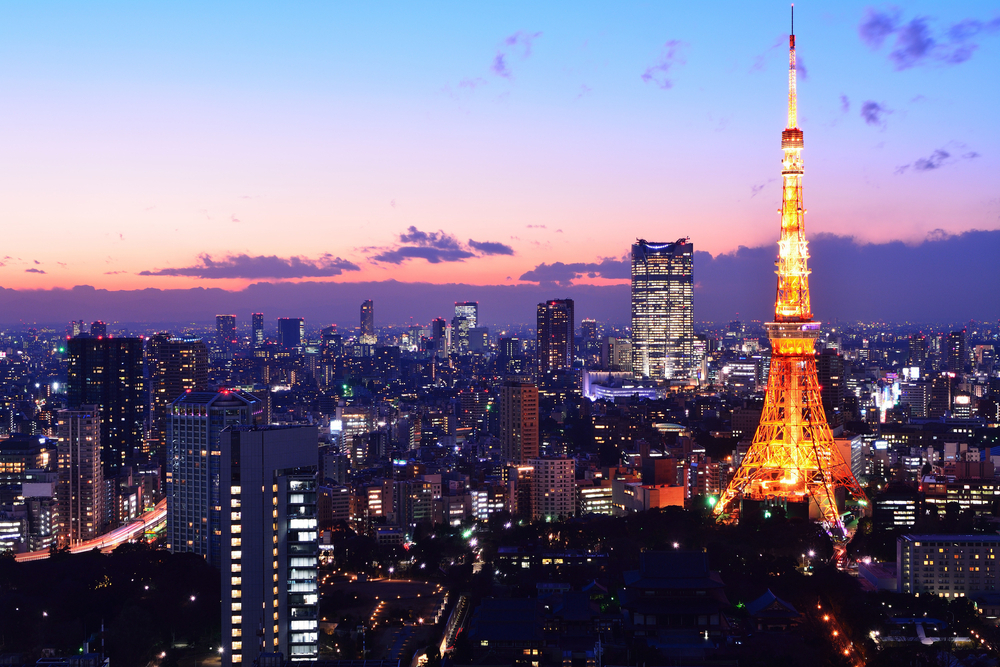
With so many vantage points scattered across the area, having a well-located base makes the whole evening easier to plan. For international travelers, Hamamatsucho fits that role naturally.
As one of the closest stations to Tokyo Tower and the main gateway to Haneda Airport via Tokyo Monorail, Hamamatsucho offers a combination of convenience and easy access — allowing visitors to drop their bags, head out, and be within walking distance of the tower without backtracking across the city. The area also has plenty to extend the evening beyond the tower itself: waterside scenery, sightseeing buses, and some of Tokyo’s most unexpected green spaces are all within easy reach.
1. Takeshiba and Hinode Waterfronts
© TCVB
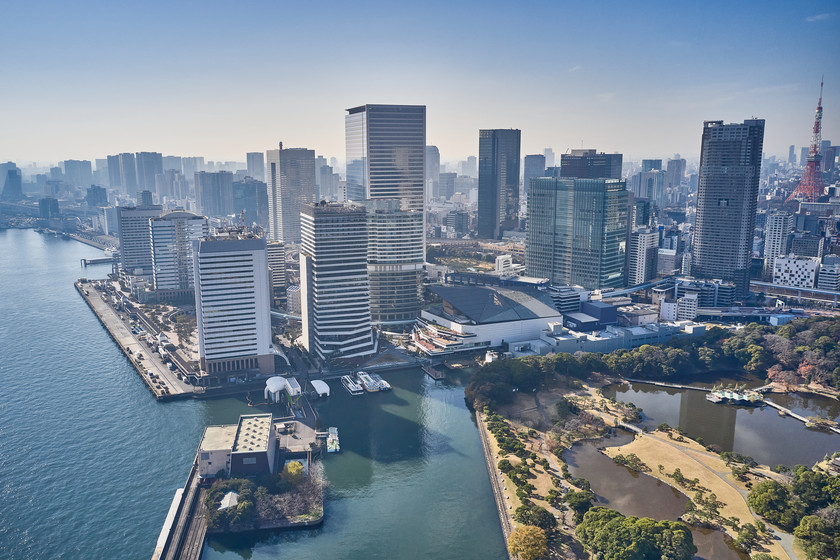
Just a short walk from Hamamatsucho Station, the Takeshiba and Hinode waterfront areas have a breezy, unhurried quality that feels especially welcome in the evening. It’s a natural addition for travelers who want to balance the energy of Tokyo’s city lights with a slower walk by the water, whether before heading to Tokyo Tower or on the way back to the hotel.
2. SKY HOP BUS
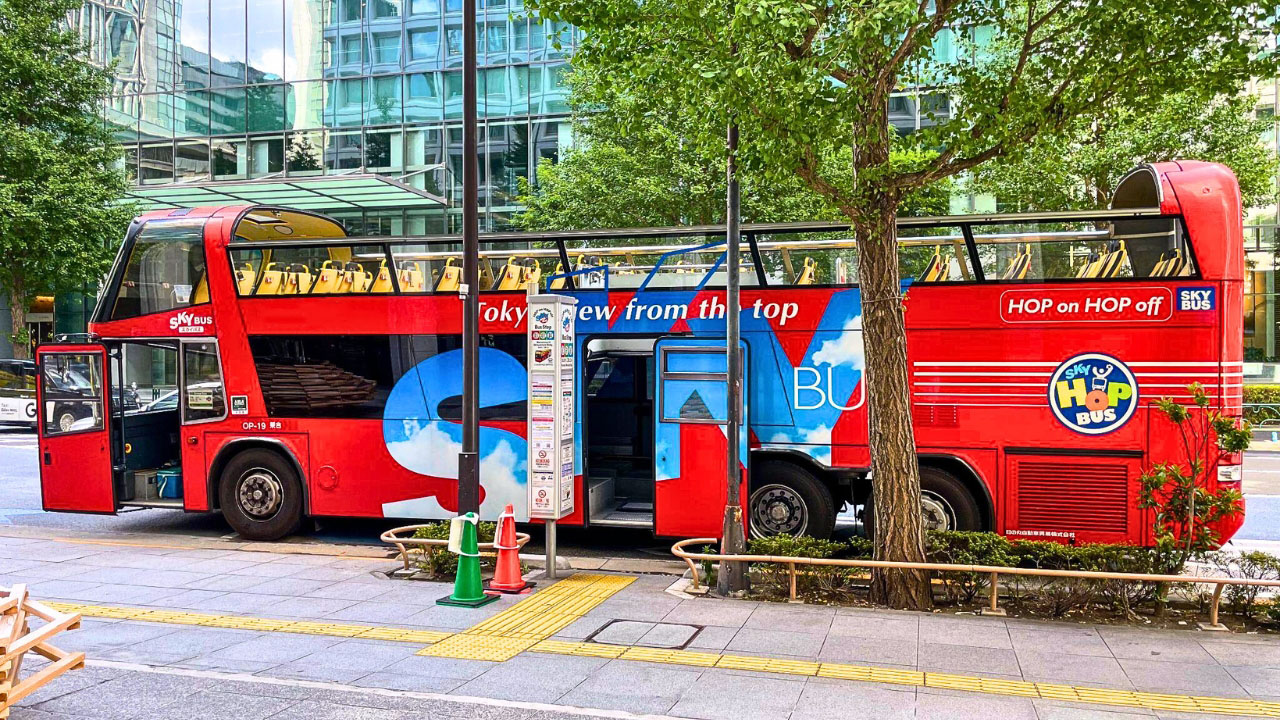
A ride on SKY HOP BUS — Tokyo’s open-top sightseeing bus — also pairs naturally with an evening back in Hamamatsucho. After taking in the city from above during the day, returning to Hamamatsucho after dark offers a different kind of pleasure: quieter streets, a more relaxed pace, and Tokyo Tower glowing against the night sky.
3. Hama-rikyu Gardens
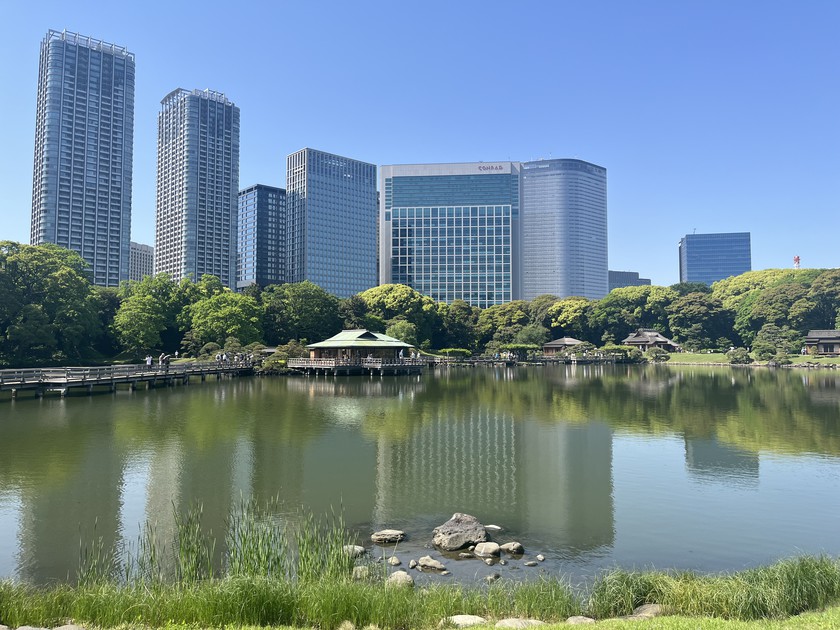
Hama-rikyu Gardens offers a striking contrast to the city around it — spacious, peaceful, and surprisingly close to the heart of central Tokyo. Surrounded by skyscrapers, the garden feels like a quiet oasis tucked into the middle of the urban sprawl.
TOKYO SKYTREE at Night: A Bold and Modern Tokyo View
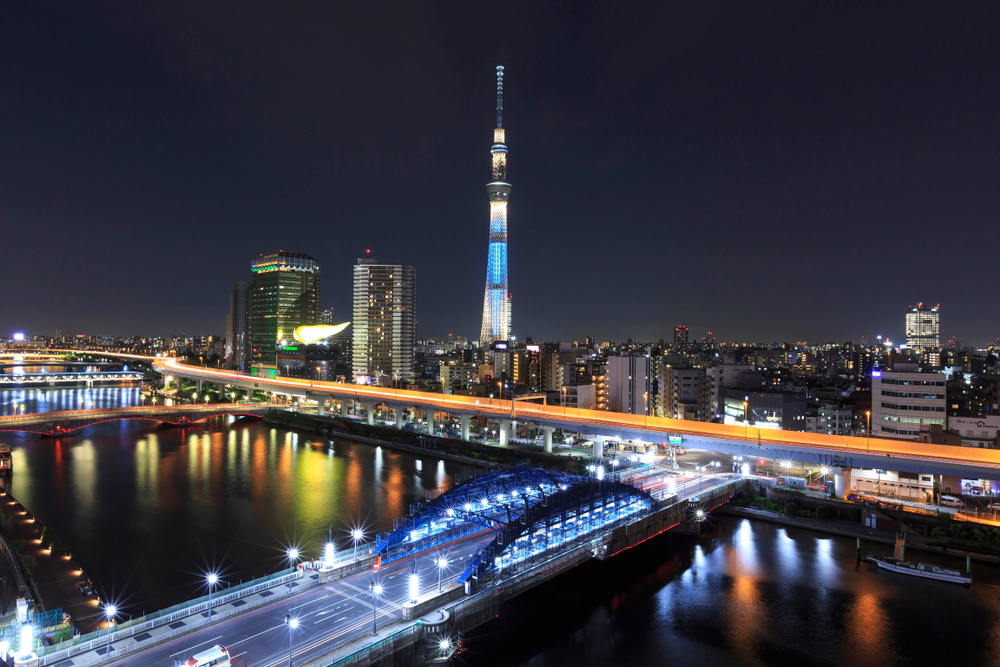
While Tokyo Tower has long been a favorite among both domestic and international visitors, TOKYO SKYTREE represents a newer chapter in the city’s skyline story. Opened in 2012 and built primarily as a broadcasting tower for the digital era, it rises to 634 meters — the tallest tower in the world.
That said, one of the most rewarding ways to experience TOKYO SKYTREE doesn’t require going inside at all. From the bridges, riverside walkways, and streets around Asakusa, the tower rises dramatically above eastern Tokyo’s low-rise cityscape, and the contrast between the traditional neighborhood below and the sleek modern structure above makes for some of the most memorable views in the city.
Best TOKYO SKYTREE Photo Spots at Night
That relationship with Asakusa is also what gives TOKYO SKYTREE its distinctive evening character — traditional streets and temple surroundings on one side, a striking contemporary tower on the other. For those looking to capture that contrast on camera, the following spots offer some excellent vantage points worth seeking out.
1. Sumida Park
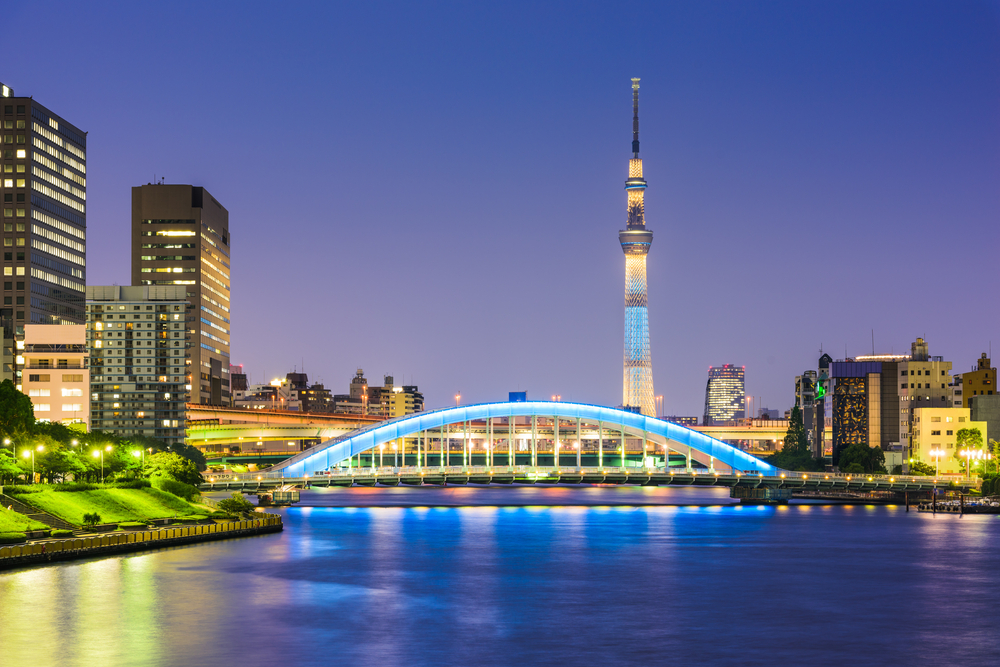
Sumida Park sits just across the river from TOKYO SKYTREE in the Asakusa area, offering a natural wind-down from the busy streets nearby. The green space along the Sumida River makes for a relaxed and scenic spot to take in the tower at night — and as the home of Japan’s oldest fireworks festival, the Sumida River Fireworks Festival, the river itself is well worth a moment to appreciate.
2. Azumabashi Bridge
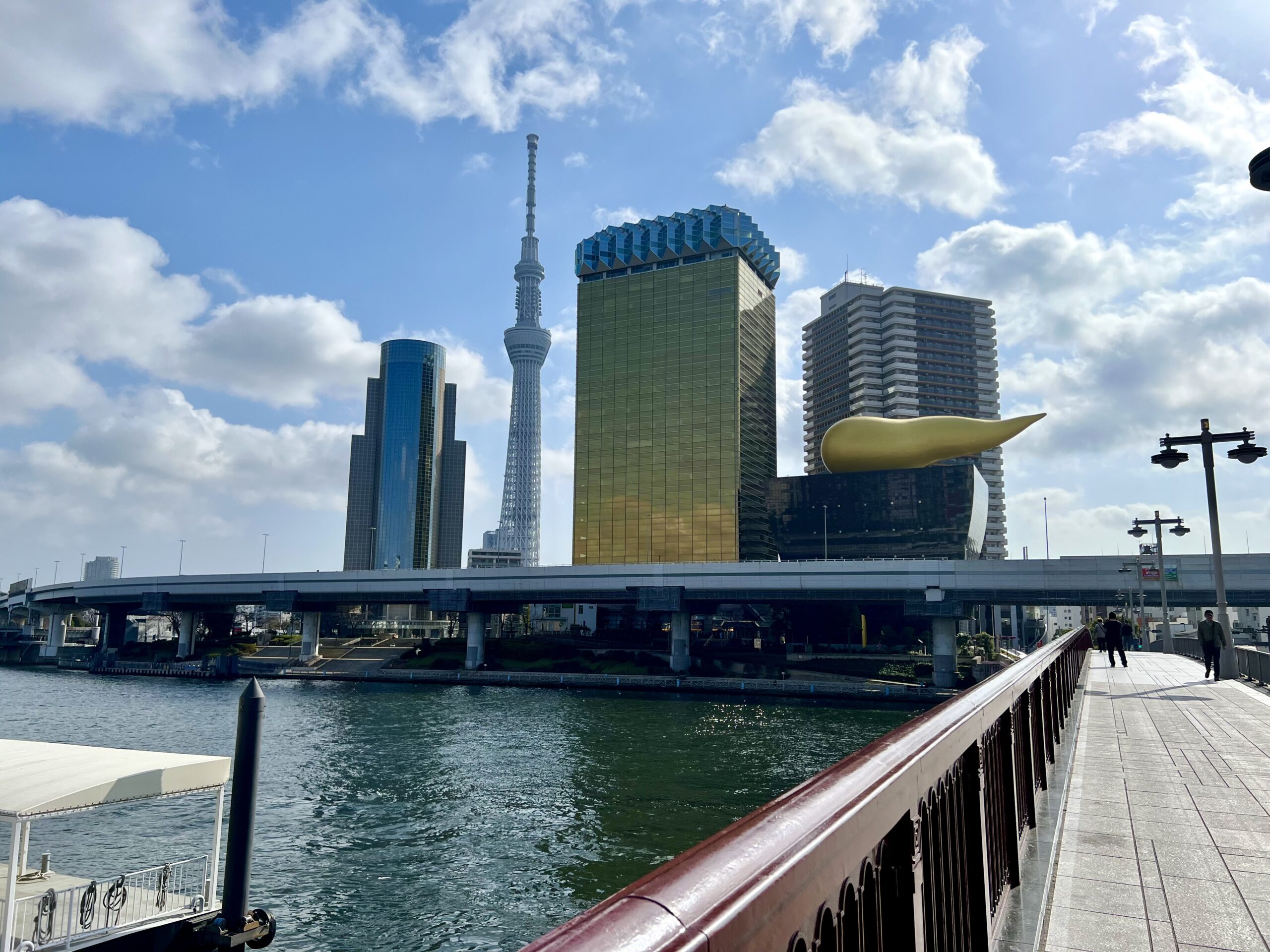
Spanning the Sumida River, Azumabashi Bridge is one of the most classic viewpoints on the Asakusa side. From here, three landmarks line up in a single frame: the golden Asahi Group Headquarters Building (Asahi Beer Tower), the Asahi Group Hall (Super Dry Hall) with its distinctive golden flame sculpture on top, and TOKYO SKYTREE rising in the distance behind them.
3. Asakusa Culture Tourist Information Center
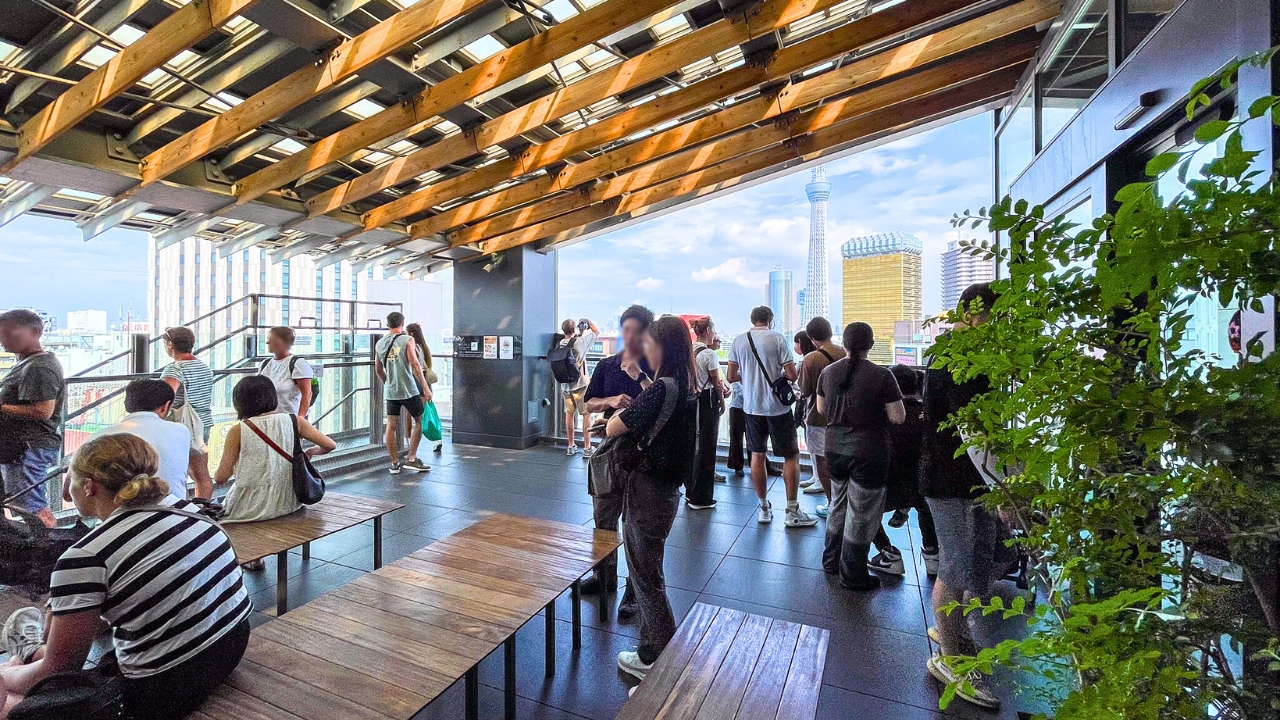
The Asakusa Culture Tourist Information Center is a practical gem for first-time visitors. Designed by the acclaimed Japanese architect Kengo Kuma, one of the real draws is the free observation deck on the eighth floor, which stays open until 10pm and frames an elevated view over the Asakusa rooftops with TOKYO SKYTREE rising in the background. It pairs naturally with an evening visit to nearby Senso-ji Temple just across the street.
What to Do Near TOKYO SKYTREE: Asakusa Night Itinerary
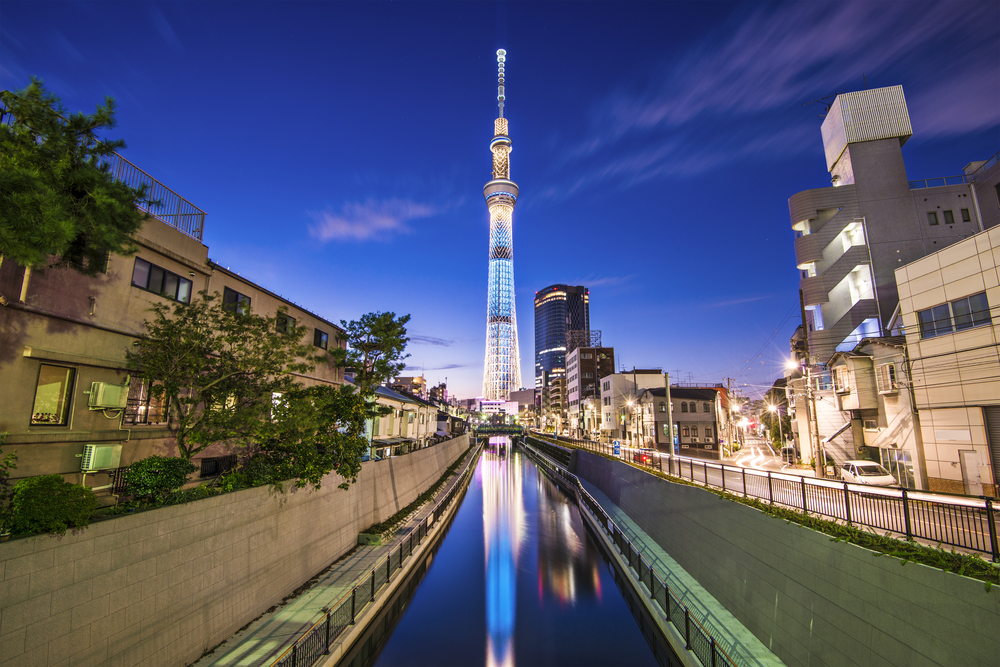
For those wondering what to do in Asakusa at night, the area’s biggest strength is that it rewards slow walking. Compared to the bustling atmosphere of the daytime, the neighborhood settles into noticeably a more laid-back character after sunset — calmer streets, softer crowds, and a mood that makes wandering feel natural. Start with the Senso-ji Temple area, then make your way toward the Sumida River for open views of the skyline with TOKYO SKYTREE rising dramatically in the background throughout.
1. Nakamise-dori Shopping Street
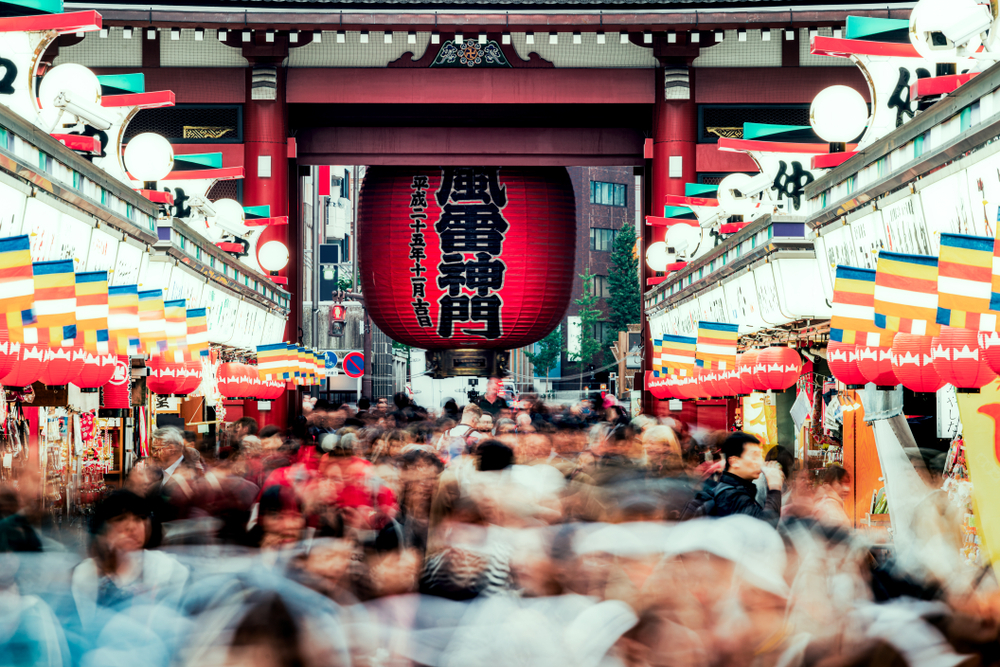
One of Asakusa’s most famous streets, Nakamise-dori gives visitors an easy way to experience the area’s traditional atmosphere. The shopping lane stretches from Kaminari-mon Gate to Senso-ji Temple, lined on both sides with stalls and small shops selling everything from street snacks to traditional souvenirs. While many visitors first discover it during the day, the street takes on a quieter, more relaxed character in the evening.
2. Asakusa Rokku
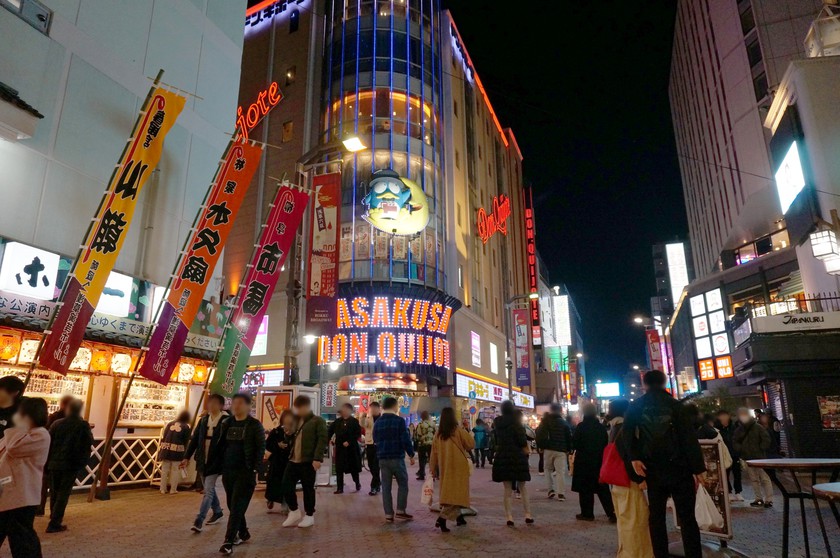
Asakusa Rokku adds another layer to an evening in the district, with a history stretching back to the Meiji era (1868 – 1912) when it served as Tokyo’s premier entertainment quarter — home to theaters, cinemas and performance halls. Though much of that golden-age energy has mellowed over the decades, the area still retains a distinctly old-Tokyo atmosphere, with izakayas, entertainment venues, and a handful of long-standing institutions.
3. Asakusa Underground Shopping Street
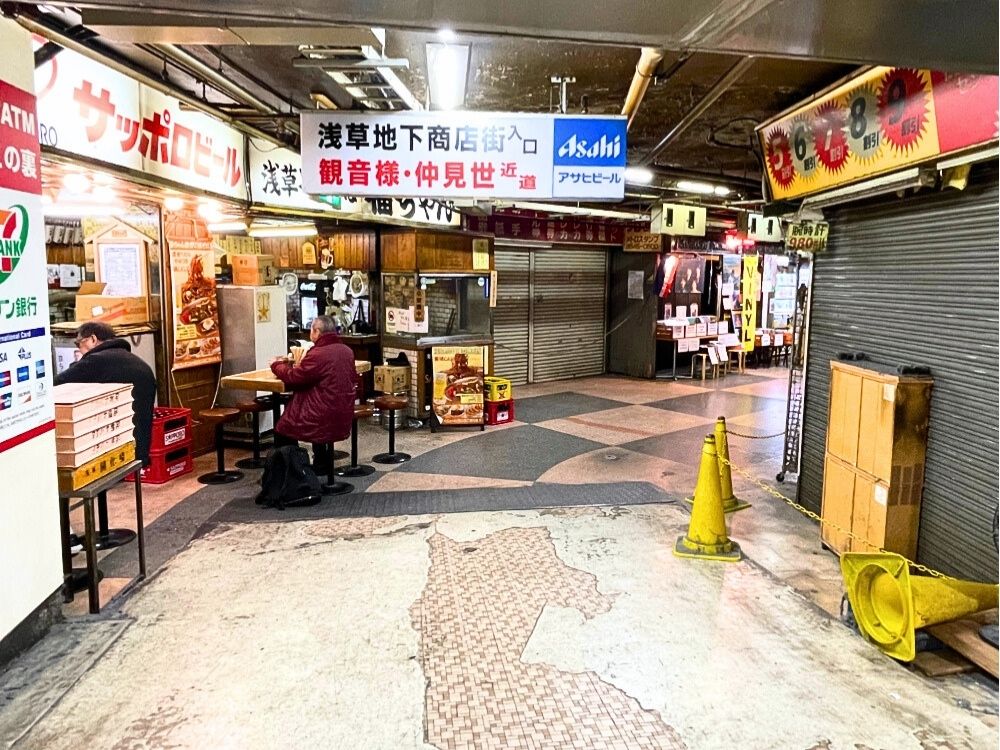
Tucked beneath the streets of Asakusa, the Asakusa Underground Shopping Street offers a different side of the neighborhood. The narrow arcade dates back to the post-war era and has changed remarkably little since — lined with a mix of small eateries, vintage shops, and old-fashioned storefronts that together create a time-capsule atmosphere.
Insider Tip: Where to Stay for Tokyo Night Views
With a clearer picture of where to view Tokyo Tower or TOKYO SKYTREE and what to explore along the way, the next thing worth considering is where to base yourself. The easiest way to enjoy the night views of either tower is to stay nearby. Without a long return trip to worry about, it becomes much easier to slow down, take more photos, and soak in the atmosphere after dark — especially on evenings built around walking. For that kind of Tokyo night itinerary, HOTEL TAVINOS offers two especially convenient bases.
HOTEL TAVINOS Hamamatsucho: Your Base for Tokyo Tower Night Views
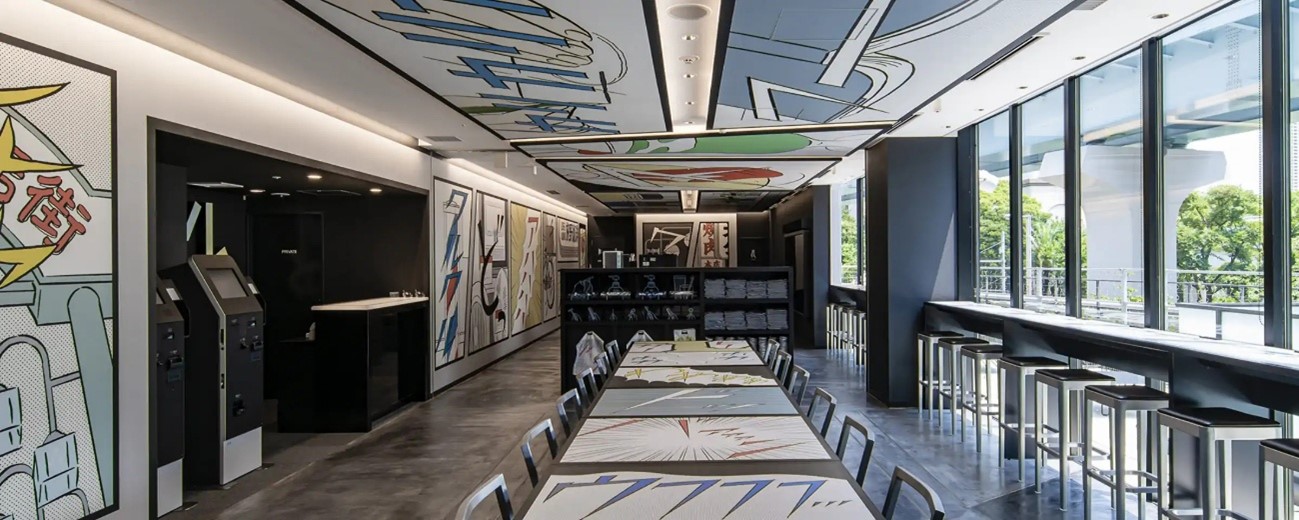
For travelers planning to enjoy Tokyo Tower at night, HOTEL TAVINOS Hamamatsucho makes a practical base. Situated in a well-connected part of central Tokyo, the hotel puts Tokyo Tower within easy reach while also offering straightforward access to Haneda Airport and popular areas such as Shibuya and Shinjuku via the JR Yamanote Line — a useful combination for visitors who want to move around the city efficiently during the day and still return comfortably after an evening out.
HOTEL TAVINOS Asakusa: Your Base for TOKYO SKYTREE Night Views
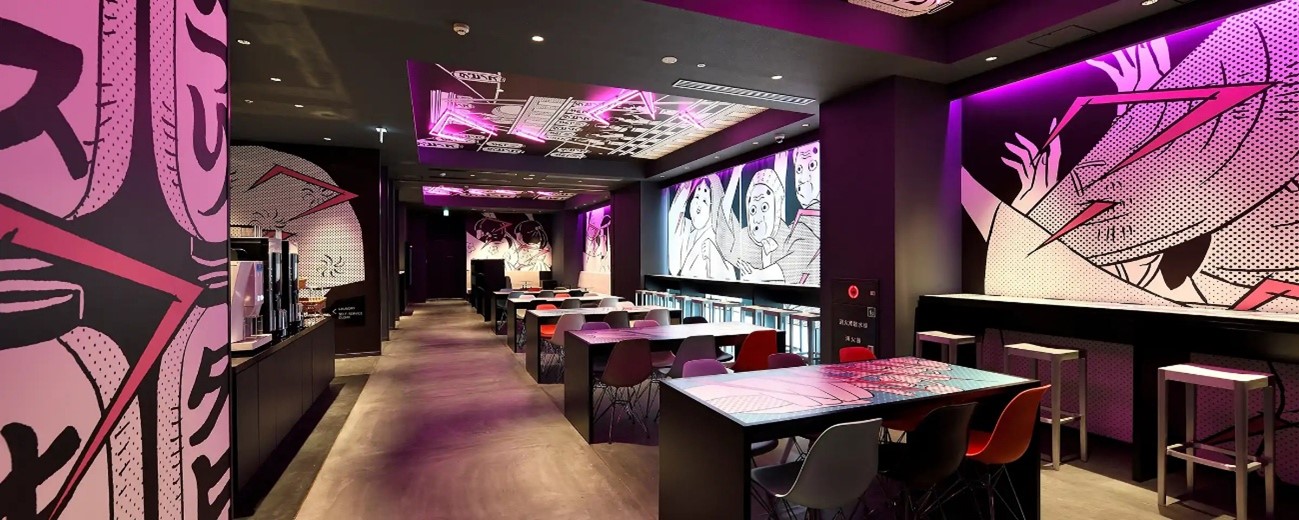
For those planning a night around TOKYO SKYTREE and Asakusa, HOTEL TAVINOS Asakusa is equally well placed. Both areas are within walking distance of the hotel, meaning the experience begins the moment you step outside — traditional streets, local food, riverside walks, and views of the illuminated tower all within easy reach. It’s a strong choice for travelers who want to explore the neighborhood at a slower pace and keep the evening going without feeling rushed.
Either way, staying close to the landmarks makes the whole experience far more enjoyable. Looking for the perfect base to explore Tokyo’s most iconic night views? Both HOTEL TAVINOS Hamamatsucho and HOTEL TAVINOS Asakusa are well positioned for a Tokyo night itinerary built around iconic views, photography, and the kind of neighborhood atmosphere that’s best enjoyed on foot — making either one a great place to start planning your next Tokyo trip.