
Blog
Hama-rikyu Gardens and Kyu-Shiba-rikyu Gardens: Tokyo’s Urban Oases near Hamamatsucho
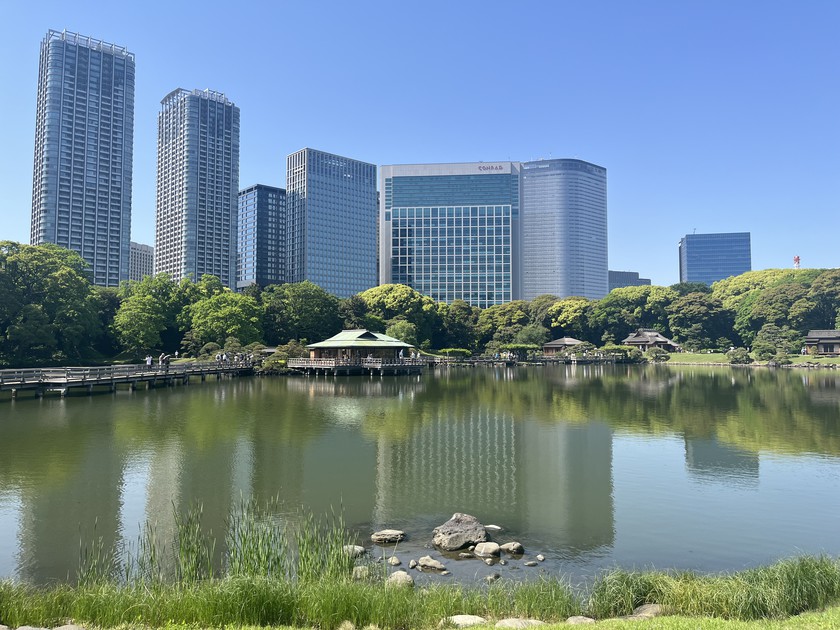
Tokyo is world-renowned for its modern skyline and towering high-rises, yet tucked within the sprawling metropolis are pockets of nature where history quietly coexists with city life. Among Tokyo’s many metropolitan gardens of cultural and historical significance, two stand out for their proximity to Hamamatsucho: Hama-rikyu Gardens and Kyu-Shiba-rikyu Gardens.
Content
Japanese Gardens in Tokyo at a Glance
Tokyo is home to a wide variety of historic gardens and green spaces, offering a peaceful contrast to the city’s busy streets and modern skyline. Among them are nine Tokyo Metropolitan Gardens, many of which preserve landscapes and traditions dating back to the Edo and Meiji periods. Among the best-known are Rikugien Gardens and Koishikawa Korakuen Gardens in Bunkyo City, both celebrated for their historic Japanese landscapes and seasonal scenery.
- Hama-rikyu Gardens (Chuo City)
- Kyu-Shiba-rikyu Gardens (Minato City)
- Koishikawa Korakuen Gardens (Bunkyo City)
- Rikugien Gardens (Bunkyo City)
- Mukojima-Hyakkaen Gardens (Sumida City)
- Kiyosumi Gardens (Koto City)
- Kyu-Furukawa Gardens (Kita City)
- Kyu-Iwasaki-tei Gardens (Taito City)
- Tonogayato Gardens (Kokubunji City)
For travelers exploring the Hamamatsucho area, Hama-rikyu Gardens and Kyu-Shiba-rikyu Gardens are two historic gardens worth visiting — both within easy walking distance of each other and of Hamamatsucho Station. They share common roots in the Edo period, strong connections to feudal lords and the Tokugawa shogunate, and beautiful pond-centered landscapes surrounded by the modern city.
Despite these similarities, each offers a different experience. Hama-rikyu Gardens is known for its seawater tidal pond, historic teahouses, seasonal flower fields, and views toward Tokyo Bay. Kyu-Shiba-rikyu Gardens, meanwhile, is compact and easy to explore, with impressive stonework, artificial hills, and a traditional strolling-garden layout. Together, they offer an accessible introduction to the history and beauty of Japanese gardens in central Tokyo.
Hama-rikyu Gardens: A Historic Tokugawa Garden on Tokyo Bay
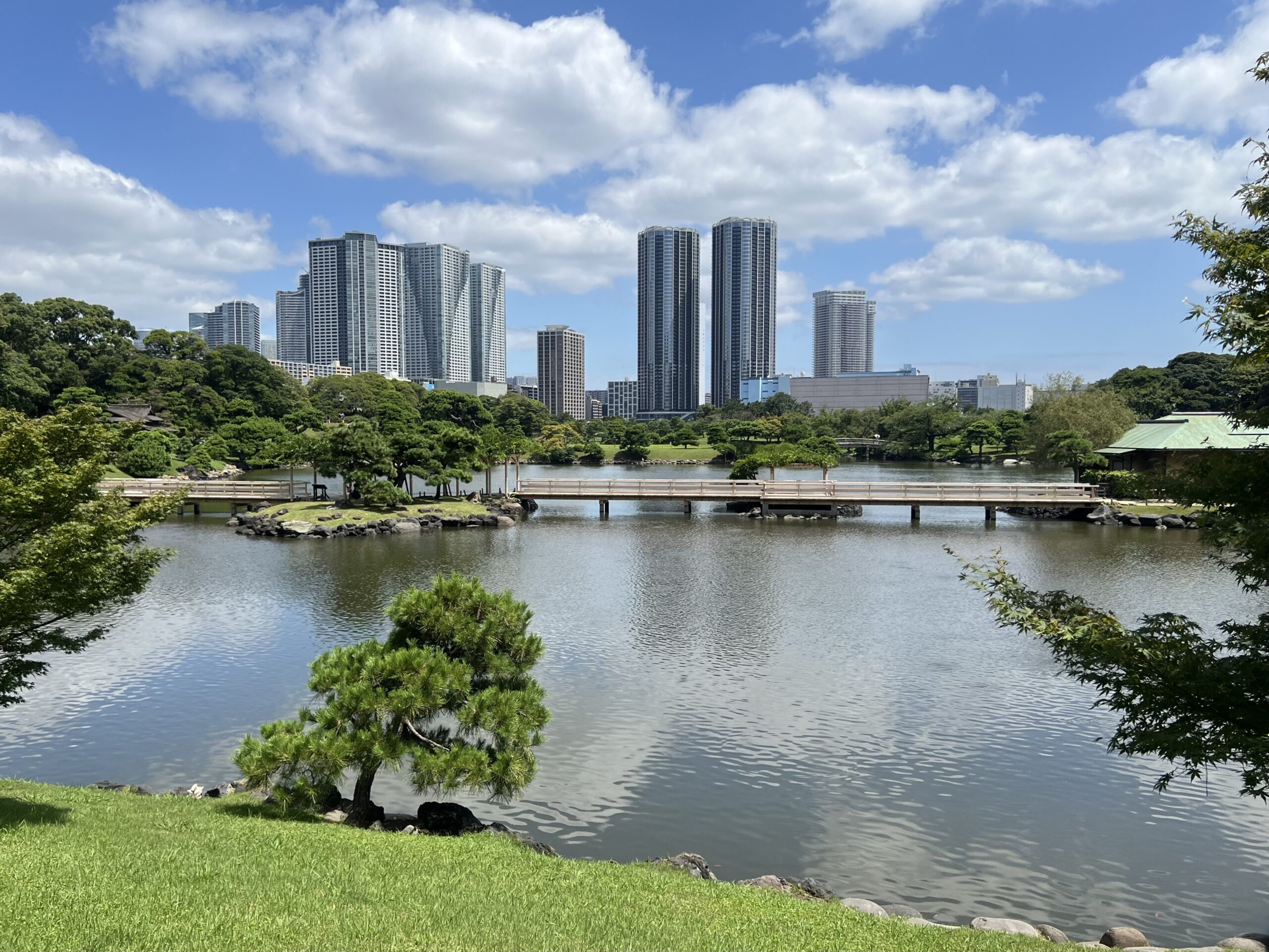
Spanning about 25 hectares alongside Tokyo Bay, Hama-rikyu Gardens was developed in 1654 by Matsudaira Tsunashige, the younger brother of the fourth shogun Tokugawa Ietsuna, as the Kofu Hama-yashiki (Kofu Beach Pavilion). Later, after Tsunashige’s son Tsunatoyo became the sixth Tokugawa shogun, the property became part of the family’s holdings and was known as Hama Goten (Beach Palace). By the time of the 11th shogun, Tokugawa Ienari, the garden had largely taken the form seen today.
In 1945, the Imperial family gave the garden to the City of Tokyo, and it opened to the public in the following year. In 1952, it was officially designated as a Special Historic Site as well as a Special Place of Scenic Beauty.
What to See in Hama-rikyu Gardens
Nakajima-no-ochaya Teahouse
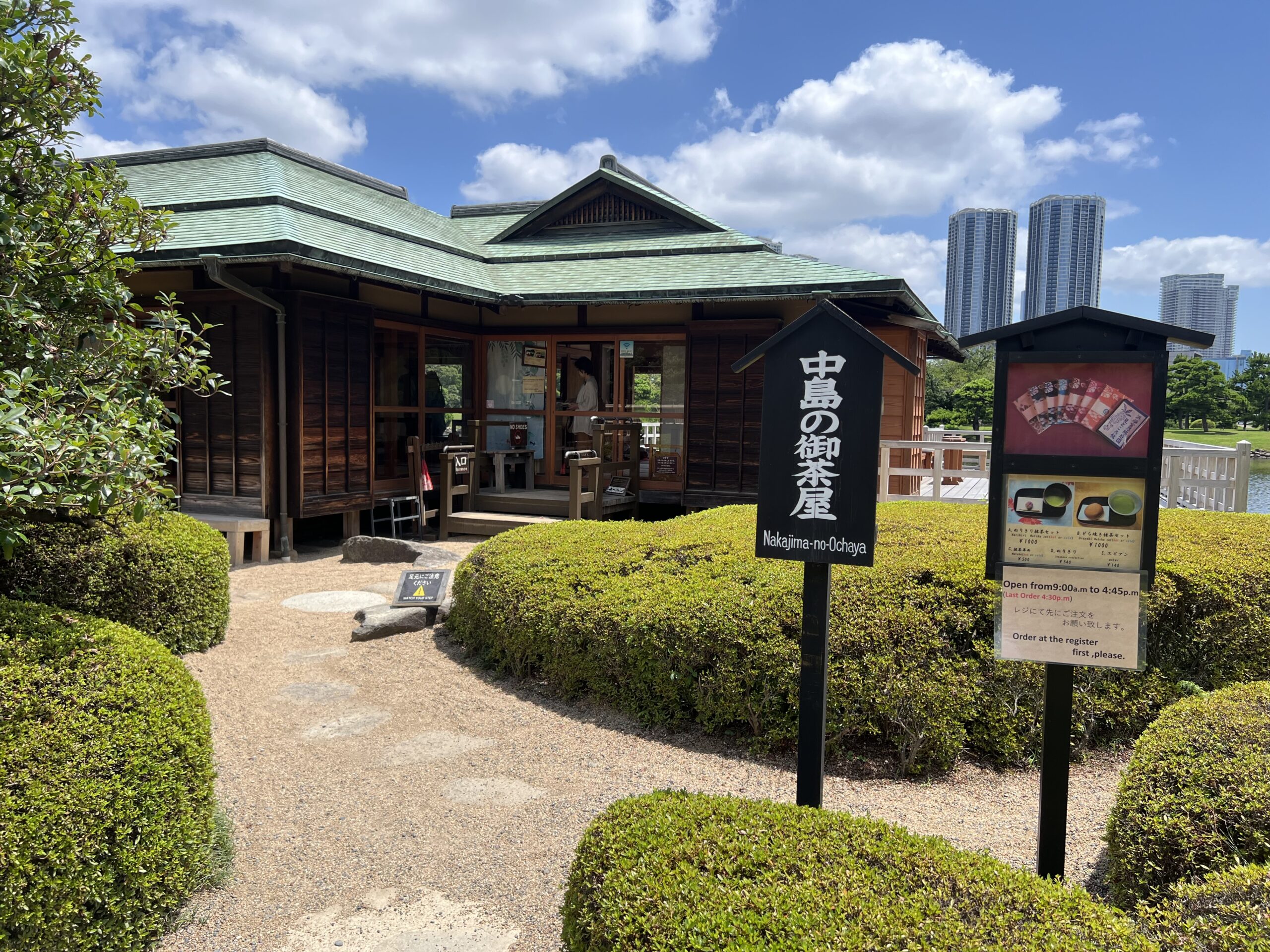
Hama-rikyu Gardens is home to four ochaya, or teahouses, that once served the shoguns and their guests as places to dine, relax, and take in the scenery. During falconry outings, these teahouses also doubled as rest stops within the hunting grounds. While none of the original structures have survived, Nakajima-no-ochaya was reconstructed in 1983, with the remaining three teahouses restored in 2010, 2015, and 2018 respectively.
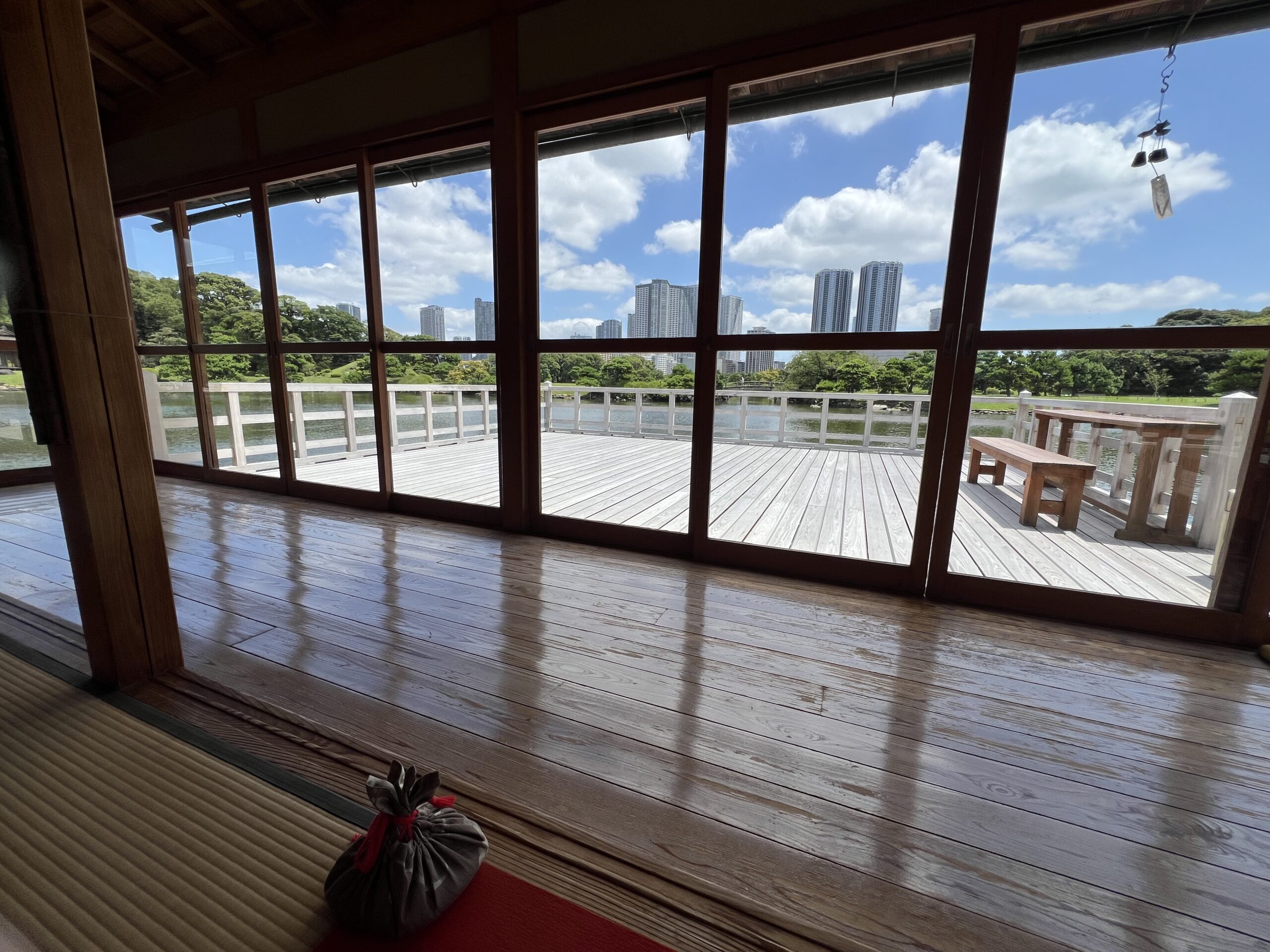
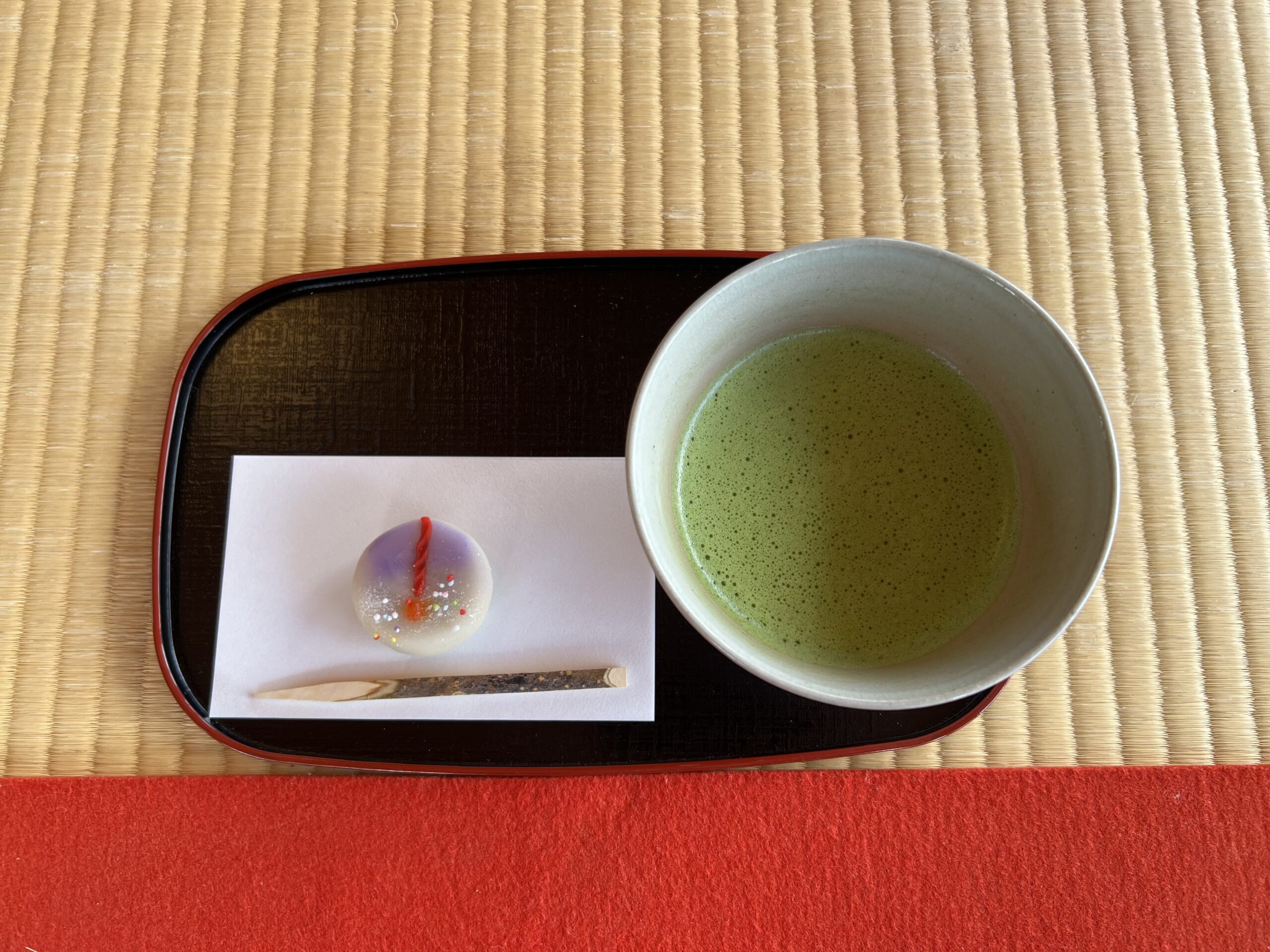
Perched on Nakajima Island in the middle of the tidal pond, Nakajima-no-ochaya allows visitors to enjoy matcha with seasonal wagashi confections at ¥1,200. Guests can sit on tatami mats and appreciate views of the pond and greenery through wide windows. Table seating is also available for those who prefer chairs.
Shioiri-no-ike Pond
The tidal pond, Shioiri-no-ike, is the only remaining seawater pond in Tokyo. Water is drawn in from Tokyo Bay, while sluice gates help regulate the water level as the tides rise and fall. Saltwater fish such as mullet, sea bass, gobies, and eels inhabit the pond.
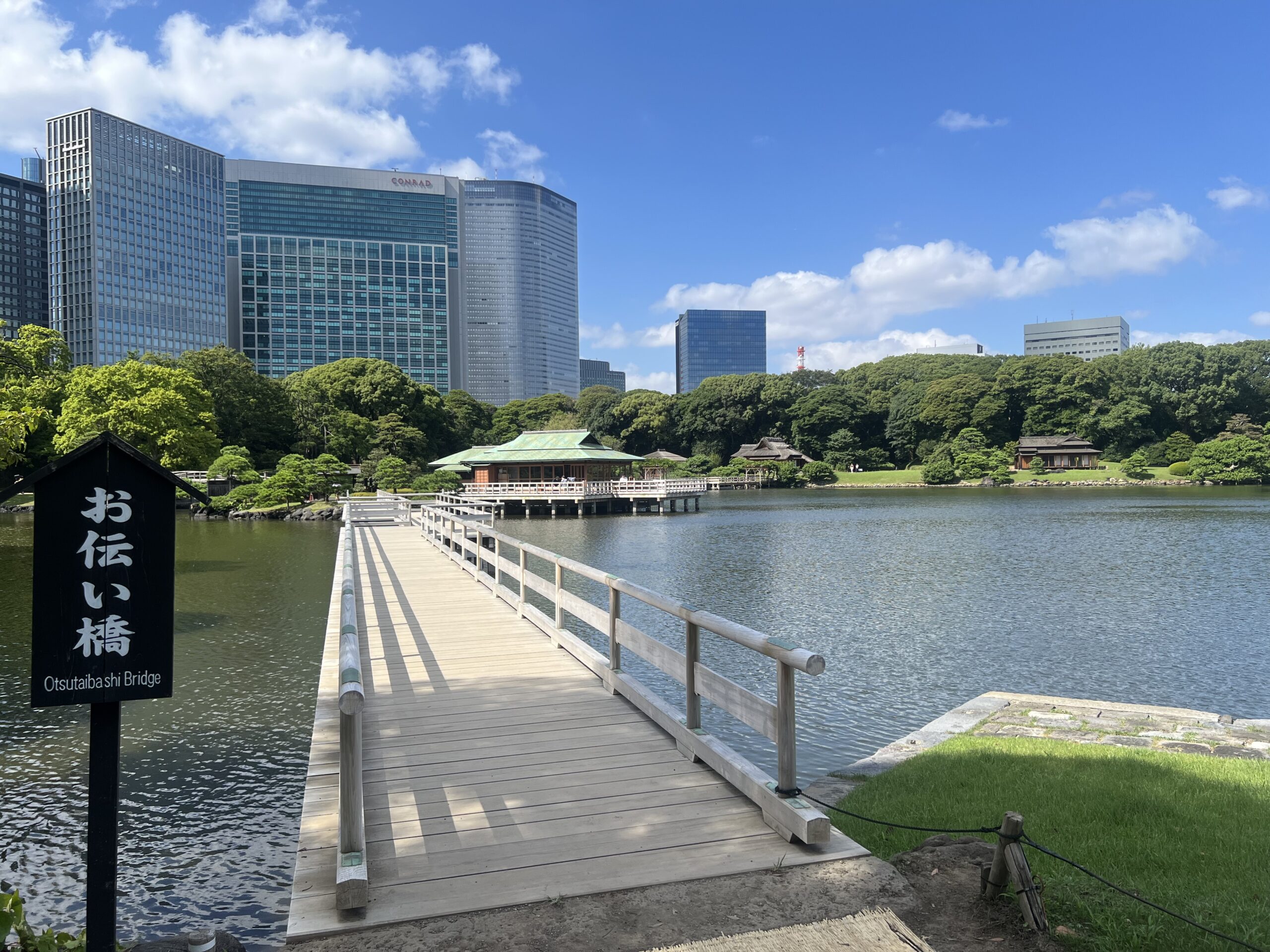
O-tsutai-bashi Bridge
This 118-meter-long bridge, made entirely of hinoki (Japanese cypress), crosses the tidal pond and connects the shore to Nakajima Island. Originally built in the Edo period, it has been replaced multiply times. The current bridge was completed in 1997, with recent restorations finished in 2024 and 2025. It offers a scenic approach to Nakajima-no-ochaya.
300-Year Pine
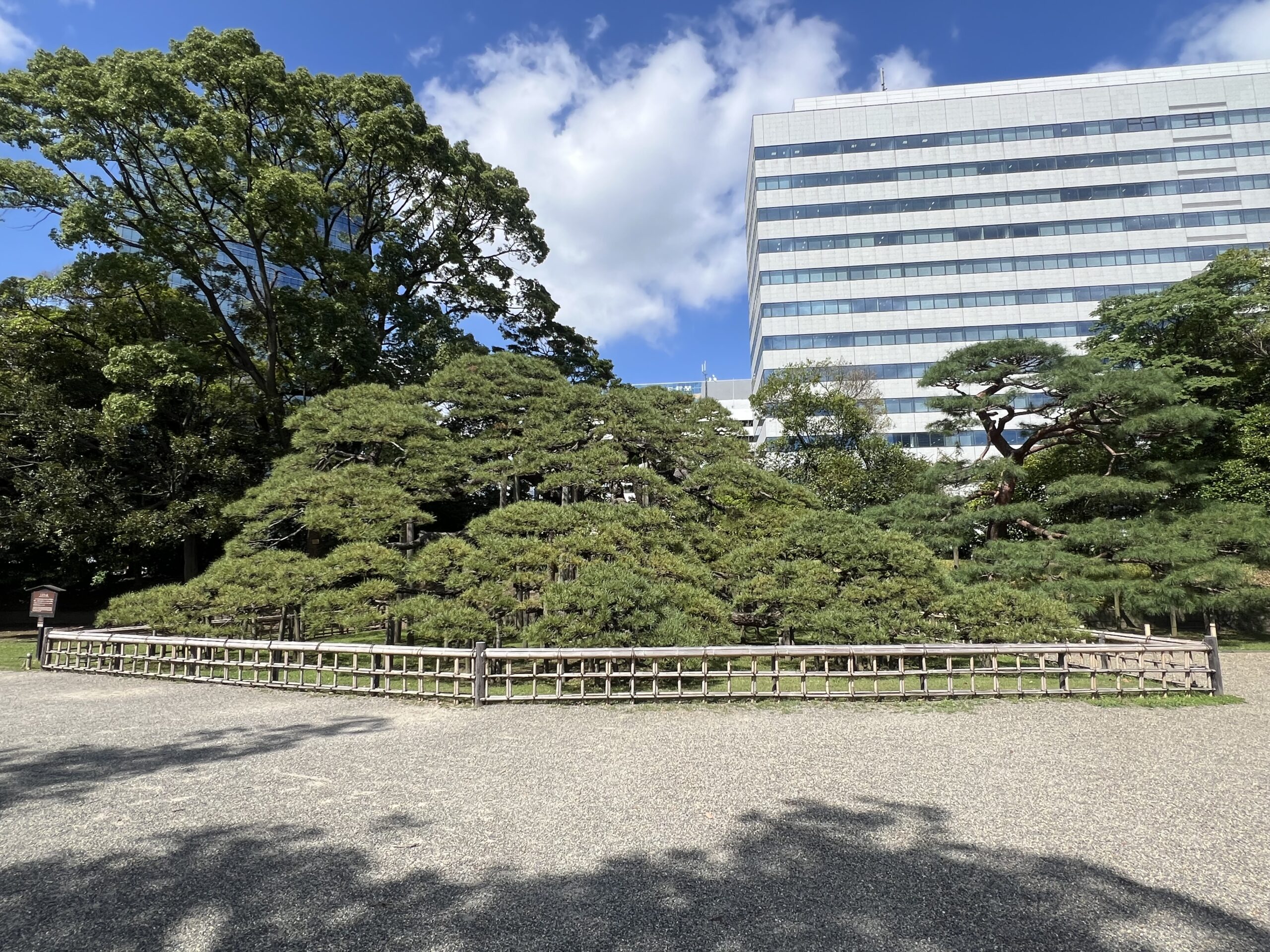
Near the garden’s main entrance, Otemon Gate, stands the 300-Year Pine. Having survived the Great Kanto Earthquake and wartime destruction, it is the largest Japanese black pine (kuromatsu) in Tokyo. Its broad, heavy branches are supported by wooden posts, creating an impressive green canopy.
The Flower Field
Hama-rikyu Gardens also has an impressive flower field. In spring, the field turns bright yellow with rapeseed blossoms, while autumn brings golden cosmos. These seasonal displays add vivid color to the historic Japanese garden throughout much of the year.
Hama-rikyu Gardens
Address: 1-1 Hamarikyu-teien, Chuo-ku, Tokyo
Hours: 9:00 am to 5:00 pm (last entry at 4:30 pm)
Admission:
¥300 for adults,
¥150 for visitors aged 65+,
free for primary school children and younger
Closed: Year-end holidays (29th Dec – 1st Jan)
Access:
(Otemon Gate) 7-minute walk from Toei Subway Shiodome or Tsukiji-shijo Station
(Naka-no-gomon Gate) 5-minute walk from Toei Subway Shiodome Station, or 15-minute walk from JR Hamamatsucho Station
Website: https://www.tokyo-park.or.jp/teien/en/hama-rikyu/
Kyu-Shiba-rikyu Gardens: A Compact Masterpiece Next to Hamamatsucho Station
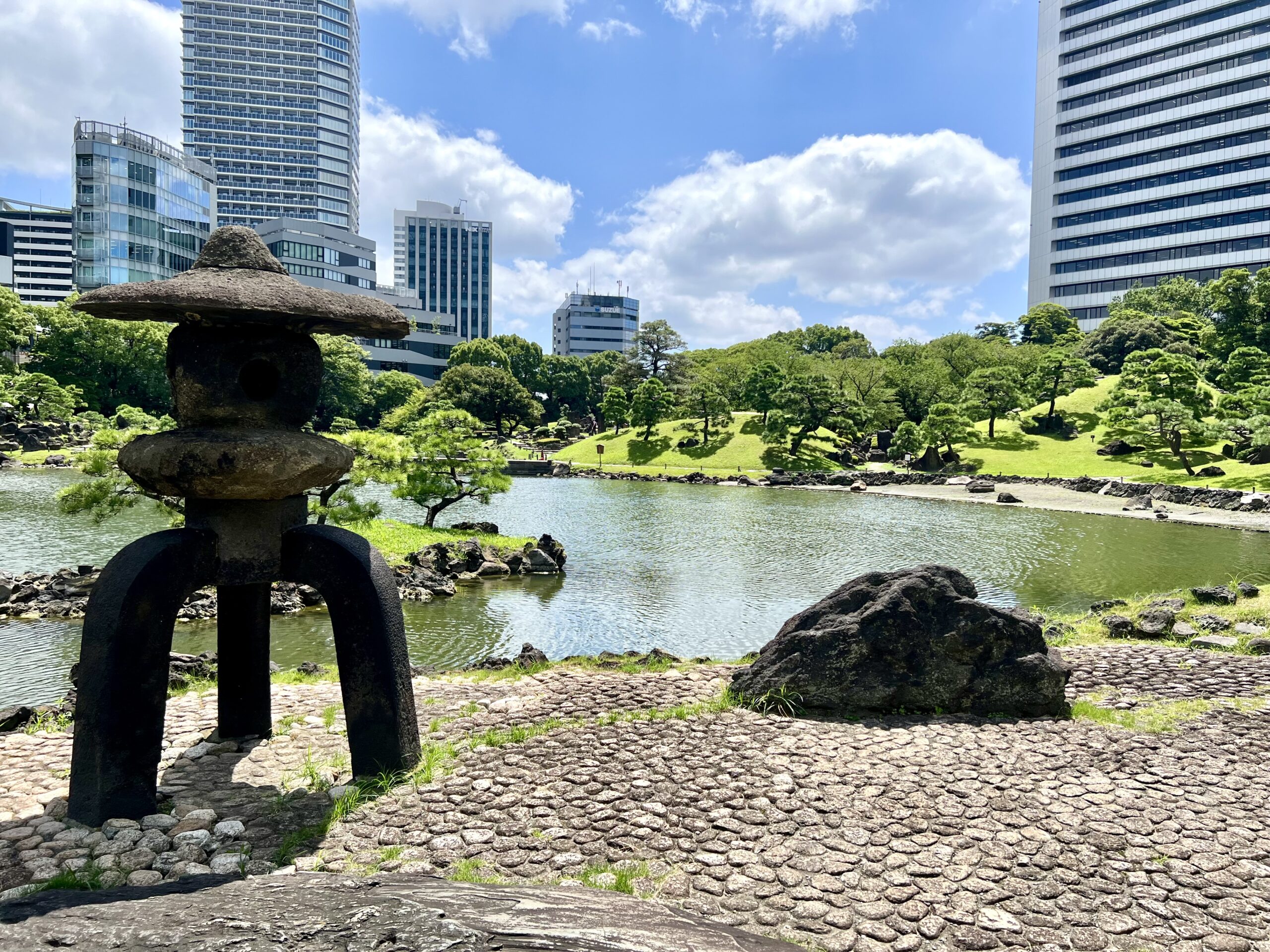
Located just steps from the North Exit of JR Hamamatsucho Station, Kyu-Shiba-rikyu Gardens is one of Tokyo’s oldest feudal lord gardens. The site became the official residence of Okubo Tadatomo, an official of the ruling Tokugawa shogunate, in 1678. Centered around a pond, it is a classic example of an Edo-period strolling garden.
When the garden was first created, the central pond drew seawater directly from Edo Bay, and its level changed with the tides. As further reclamation and development changed the surrounding shoreline, the connection to the sea was lost. Today, the pond is freshwater, though traces of its original tidal design remain.
Though its buildings and nearly all of its trees were lost to the fires that swept through following the Great Kanto Earthquake of 1923, the garden was restored and reopened to the public the following year, when it was formally handed over to the City of Tokyo by the Imperial Household.
In 1979, Kyu-Shiba-rikyu Gardens was officially designated as a national Place of Scenic Beauty and Special Historic Interest.
What to See in Kyu-Shiba-rikyu Gardens
Seiko-no-tsutsumi Stone Embankment
Like many traditional Japanese gardens, Kyu-Shiba-rikyu draws inspiration from Chinese landscapes. Seiko-no-tsutsumi, a stone embankment inspired by West Lake (known as Seiko in Japanese) in Hangzhou, China, leads toward Nakajima in the center of the pond. Compact yet beautifully composed, it is one of the garden’s distinctive features and can be crossed on foot.
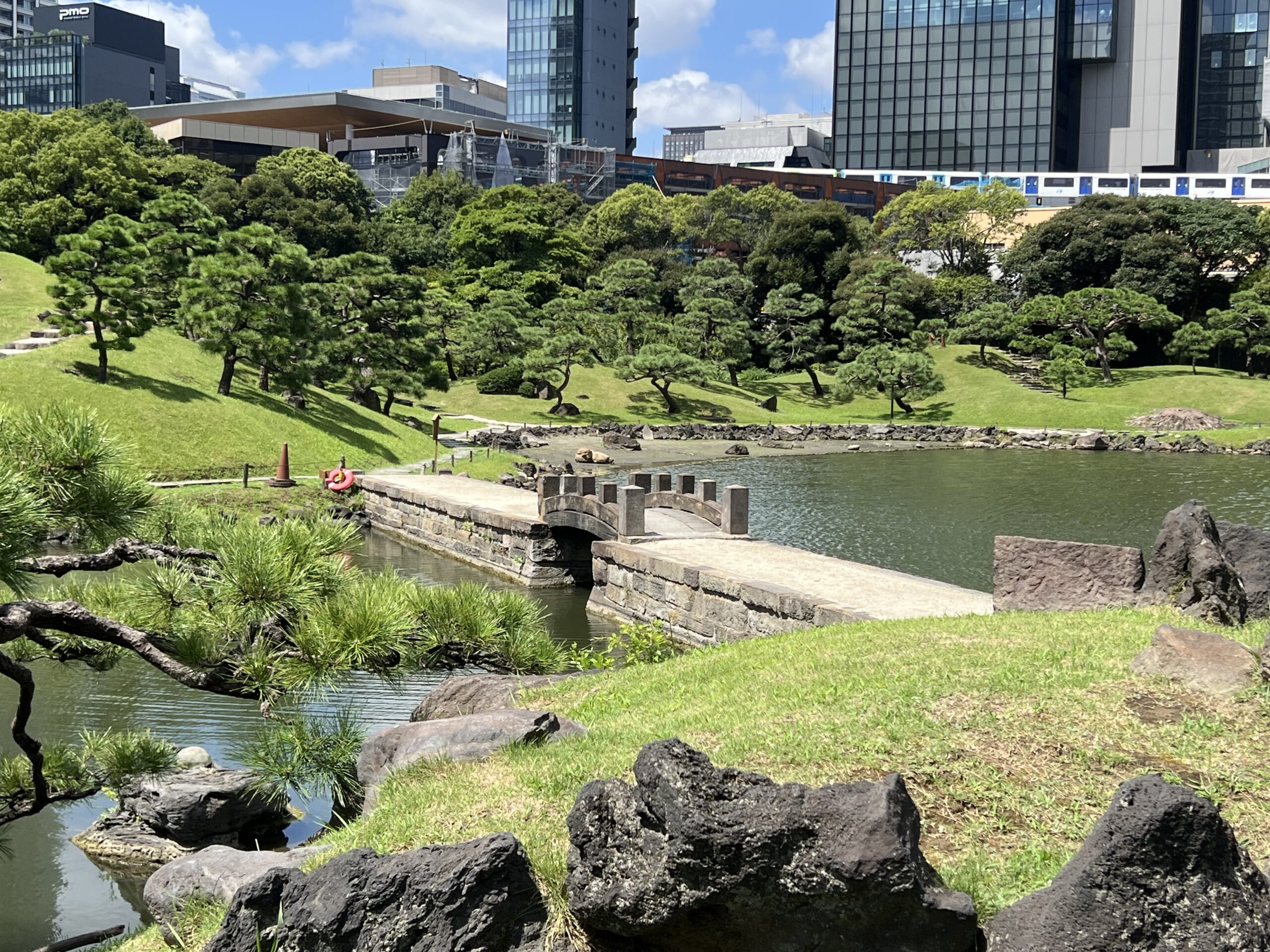
Nakajima Island
The islet in the middle, Nakajima, with its rock formation represents Mt. Horai, a legendary sacred mountain in Chinese mythology located on an island in the eastern sea. It is believed to be a place free of death and old age, home to immortals and mystical creatures. The rock formation, still standing today, has survived since the garden’s earliest days, giving the islet a timeless presence.
Oyama Hill
From the mythical mountain, the path continues toward another of the garden’s defining features: Oyama, an artificial hill and the highest point in the garden. Climbing its gentle slope rewards visitors with panoramic views: the pond, the islets, and the carefully layered landscape around them.
Karetaki Dry Waterfall
Down the hill, an arranged dry rock formation known as karetaki (dry waterfall) can be found. Designed to resemble a waterfall tumbling through a mountain gorge, it evokes the dramatic beauty of nature even without a single drop of water.
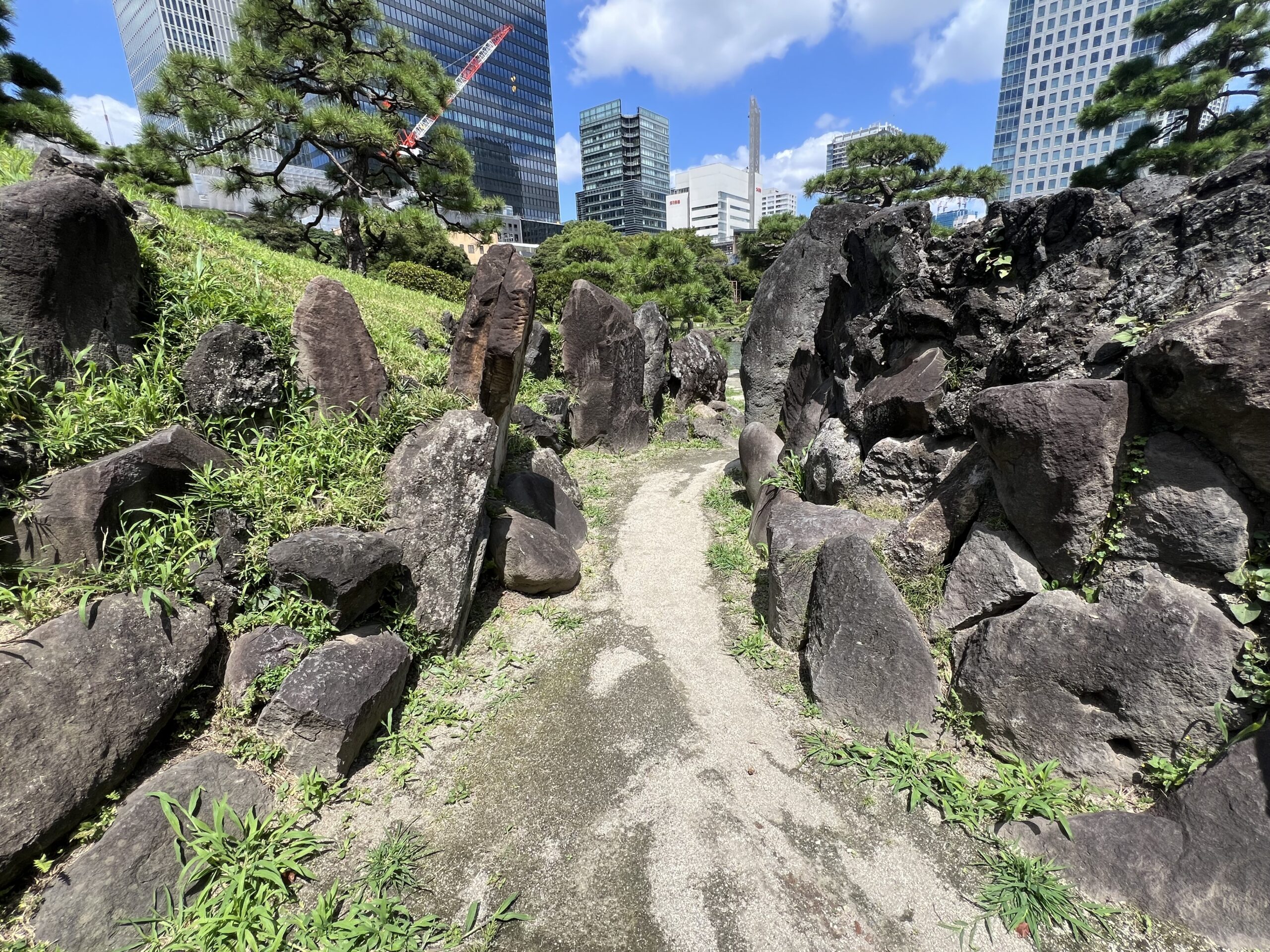
💡Travel Tip
Kyu-Shiba-rikyu is also known for its wisteria trellis. Around the beginning of May, clusters of lavender blossoms hang from the trellis, creating a beautiful contrast with the historic Japanese garden and the surrounding modern skyscrapers.
Kyu-Shiba-rikyu Gardens
Address: 1-4-1 Kaigan, Minato-ku, Tokyo
Hours: 9:00 am to 5:00 pm (last entry at 4:30 pm)
Website: https://www.tokyo-park.or.jp/park/kyu-shiba-rikyu/
Admission:
¥150 for adults,
¥70 for visitors aged 65+,
free for primary school children and younger
Closed: Year-end holidays (29th Dec – 1st Jan)
Access:
1-minute walk from JR Hamamatsucho Station
3-minute walk from Toei Subway Daimon Station
Hama-rikyu Gardens vs. Kyu-Shiba-rikyu Gardens: Which Should You Visit?
Located within easy reach of Hamamatsucho area and only about a 15-minute walk from each other, Hama-rikyu Gardens and Kyu-Shiba-rikyu Gardens are easy to combine in a single visit. Their convenient locations make them ideal for a same-day sightseeing itinerary or a leisurely short walk around the Tokyo Bay area. While both offer a glimpse into Tokyo’s historic garden culture, each has its own distinctive scenery and atmosphere. Here is a quick comparison to help you decide which garden—or perhaps both—best suits your plans.
| Gardens | Hama-rikyu Gardens | Kyu-Shiba-rikyu Gardens |
| Size | Expansive (around 25 ha); allow about 1-1.5 hours. | Compact (around 4.3 ha); allow about 40 minutes. |
| Highlights | ・Seawater tidal pond. ・Traditional teahouse serving matcha and wagashi. | ・Historic pond filled with fresh water. ・Edo-period stonework and artificial hills. |
| Seasonal scenery | Flower field: rapeseed blossoms in spring and cosmos flowers in autumn. | Wisteria trellis in early May. |
👉 For a larger garden experience with a tidal pond, teahouse, and seasonal flowers, choose Hama-rikyu Gardens.
👉 For a shorter and more compact visit close to Hamamatsucho Station, Kyu-Shiba-rikyu Gardens is an excellent choice. If time allows, the two can easily be visited together.
💡Travel Tip:
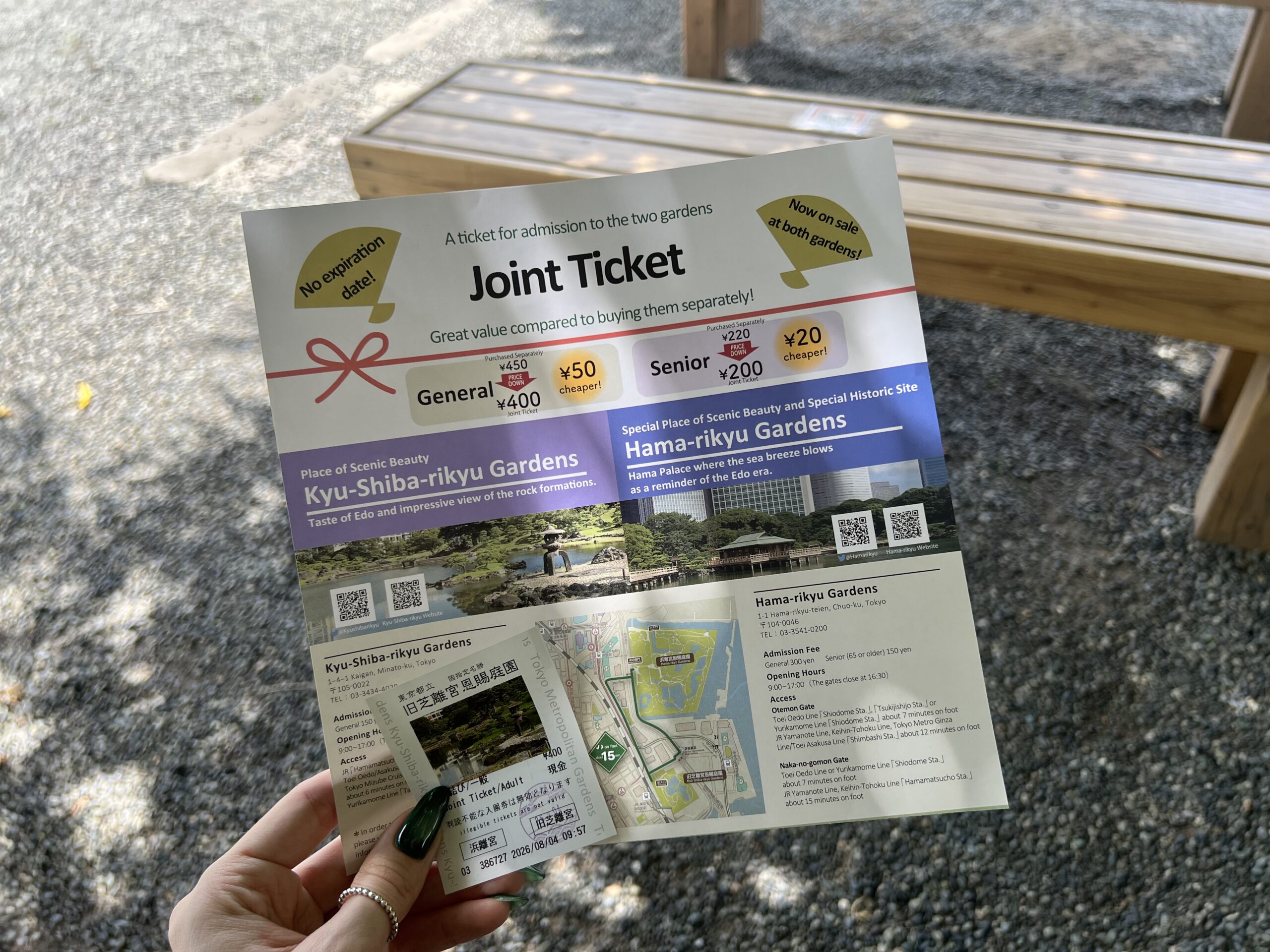
If you plan to visit both gardens, ask at either ticket counter for the joint En-musubi Ticket. It costs ¥400 for adults and allows one admission to each garden. The ticket has no expiration date, so you can visit both on the same day or on separate days.
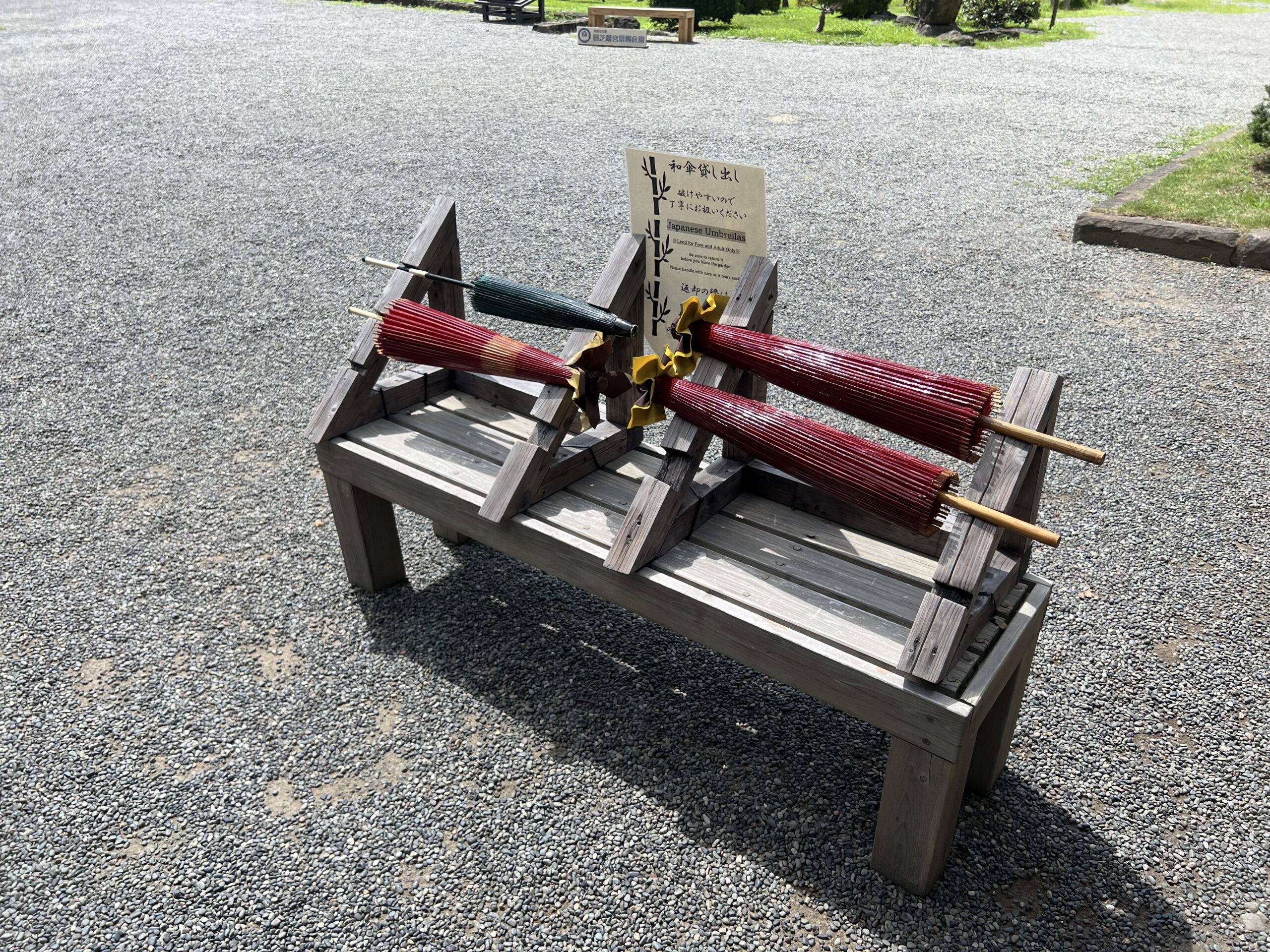
During the summer, both gardens may offer free rentals of colorful Japanese paper umbrella as part of a seasonal “Wagasa de Tei-en Meguri” Tokyo Metropolitan Gardens program. Availability varies by date, weather, and stock, so check the official garden websites before your visit.
*For 2026, the Tokyo Metropolitan Gardens program runs from 11th July to 27th September, subject to weather and stock.
Enjoy a Moment of Tranquility in Hamamatsucho, Tokyo
Hamamatsucho is known as a business district filled with high-rise office buildings. Yet, just beyond the modern skyline, these historic Japanese gardens offer a peaceful glimpse of old Tokyo. Walking slowly along the garden paths, crossing pond bridges, and pausing for matcha can be a refreshing break during a busy sightseeing day.
Make HOTEL TAVINOS Hamamatsucho Your Base for Exploring Tokyo
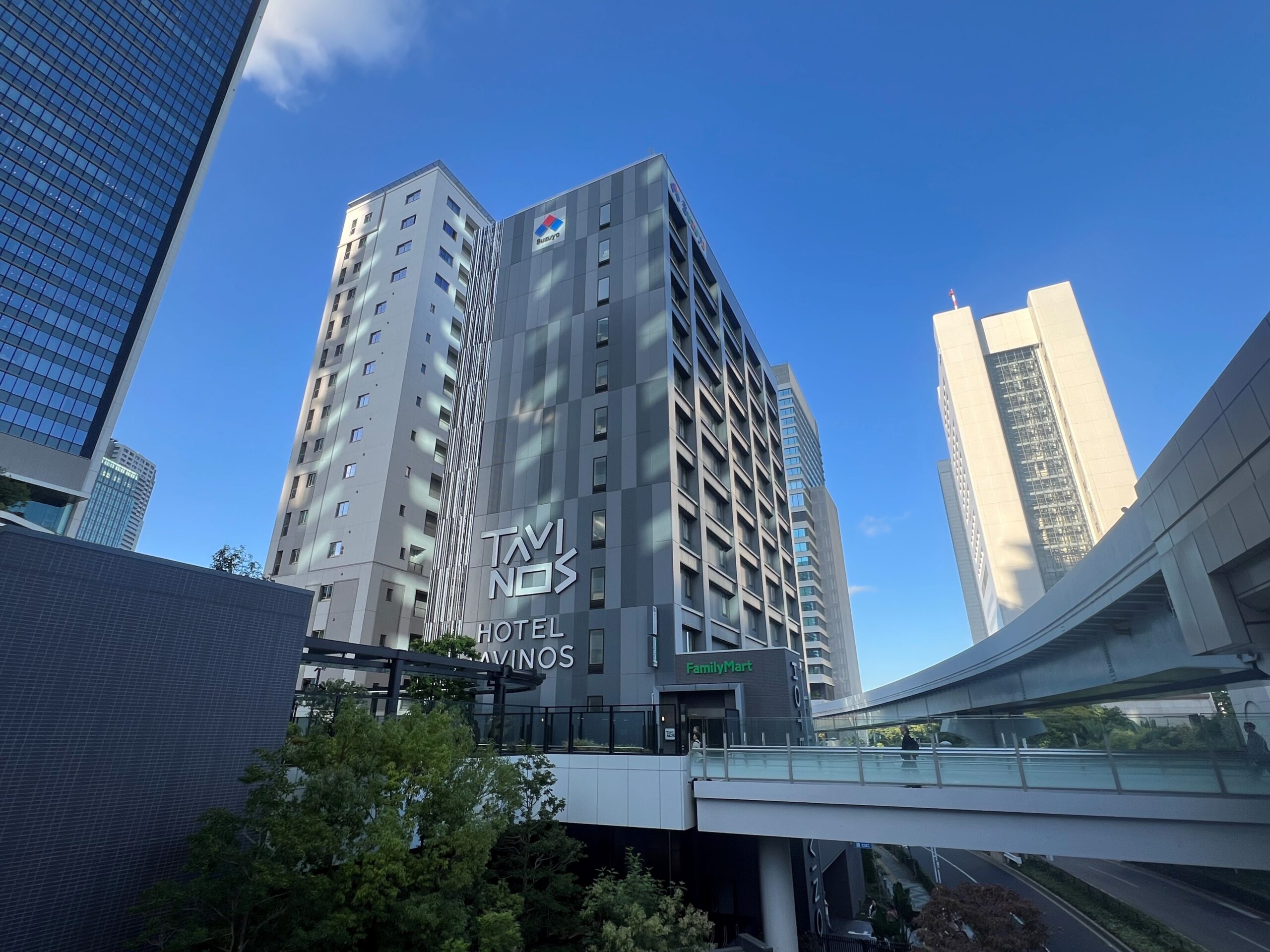
HOTEL TAVINOS Hamamatsucho is a convenient base for travelers looking to explore not only the Hamamatsucho area, but also nearby destinations such as Odaiba, Tokyo Tower, and Takeshiba. With both Hama-rikyu Gardens and Kyu-Shiba-rikyu Gardens within easy walking distance, guests can add a peaceful garden stroll to their itinerary after breakfast or during a relaxed afternoon before continuing their sightseeing around Tokyo Bay.
The hotel also offers convenient connections to both Haneda Airport and Narita International Airport. Haneda Airport is particularly easy to reach via the Tokyo Monorail from Monorail Hamamatsucho Station, with no transfer required. Whether you are planning to explore Tokyo’s waterfront neighborhoods, historic gardens, or some of the city’s most popular landmarks, consider making Hamamatsucho your base for your next trip to Tokyo.
Writer
D.M.
Member of the HOTEL TAVINOS team, sharing local insights and stories to help guests explore and enjoy the area.