
Blog
The Ultimate Guide to Asakusa’s Attractions: What to See, Do, and Eat in Tokyo
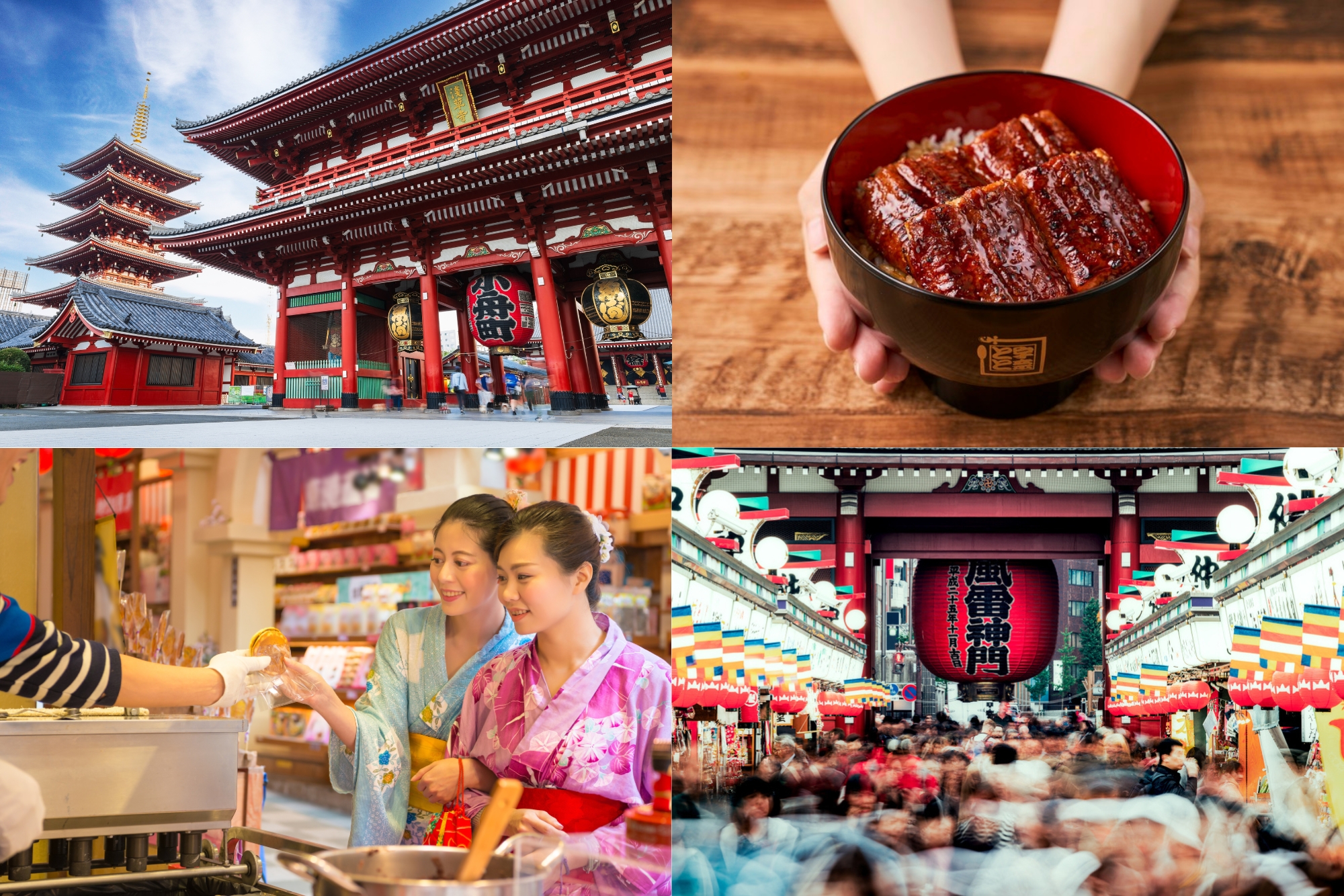
Asakusa is one of Tokyo’s most beloved destinations for visitors looking to experience the city’s traditional side. From the iconic Senso-ji Temple and Kaminari-mon Gate to the bustling stalls of Nakamise-dori Shopping Street, the neighborhood packs a lot into a compact, walkable area. This guide covers the best things to see, do, and eat in Asakusa, along with half-day, full-day, and food-focused itineraries to help make the most of any visit.
Content
What is Asakusa Known for?
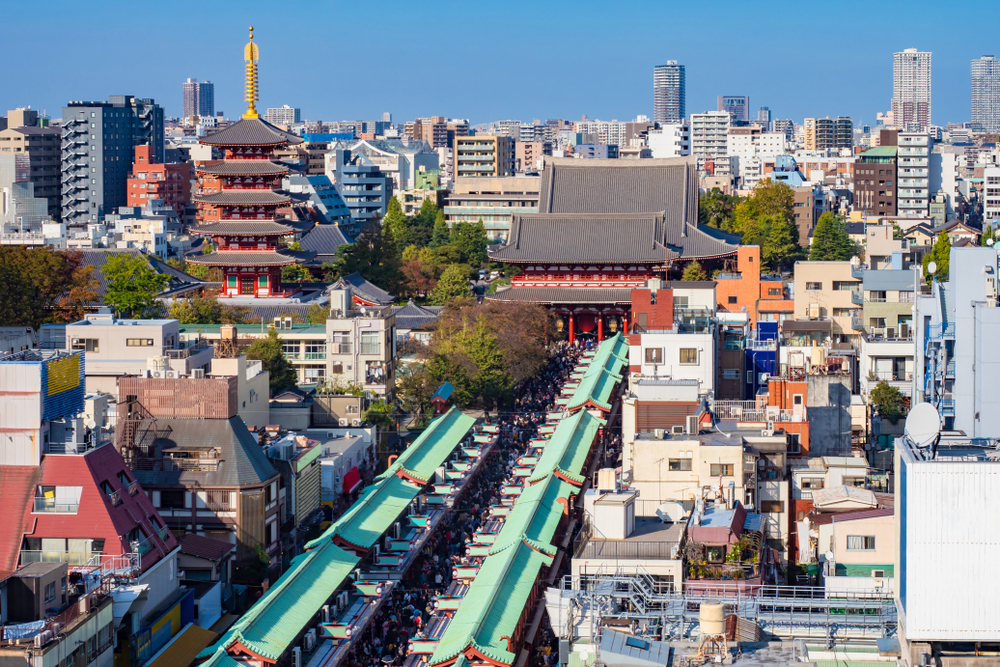
Asakusa is known for its traditional atmosphere, historic temples, lively shopping streets, and nostalgic shitamachi charm. Located in Taito City in eastern Tokyo, the area is especially famous for Senso-ji Temple, Kaminari-mon Gate, and Nakamise-dori Shopping Street, which together create one of the most classic sightseeing routes in Tokyo.
Asakusa is one of the best places to experience old Tokyo in a compact and walkable area with various hands-on and photo-friendly experiences. Furthermore, Asakusa is also well-connected with multiple train lines, making it a convenient base for exploring nearby destinations such as Ueno, Akihabara, and the Kappabashi kitchen town. For travelers who want to see a different side of Tokyo from modern districts like Shibuya or Shinjuku, Asakusa offers a slower, more nostalgic experience.
Is Asakusa Worth Visiting?
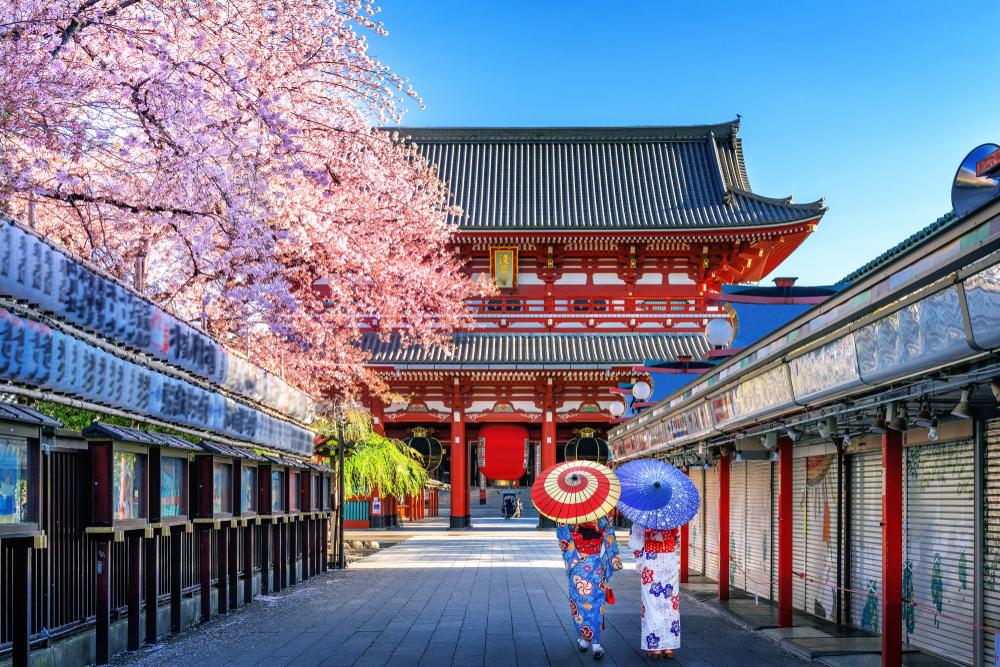
Yes, Asakusa is worth visiting especially for first-timers in Tokyo. The district covers all the bases when it comes to sightseeing, shopping, and cultural experiences in one accessible neighborhood. First-timers can start with visiting the iconic landmarks, while repeat visitors can dig a little deeper through hands-on cultural activities like kimono rentals, rickshaw rides, or traditional craft workshops. Either way, in just a few hours, visitors can cover a solid mix of mist-visit spots and local experiences.
That said, Asakusa can get busy during the day. Visiting early in the morning or later in the evening can make a noticeable difference — fewer crowds, a calmer atmosphere, and the added bonus of seeing the temple grounds lit up after dark.
What to See in Asakusa: Must-See Asakusa Attractions and Places to Visit
For those wondering where to start in Asakusa, the following essentials are your first move. From the iconic Senso-ji Temple to the nostalgic Nakamise-dori shopping street and the retro Asakusa Underground Shopping Street, these spots offer an easy, memorable introduction to Tokyo’s cultural roots.
Senso-ji Temple & Kaminari-mon Gate
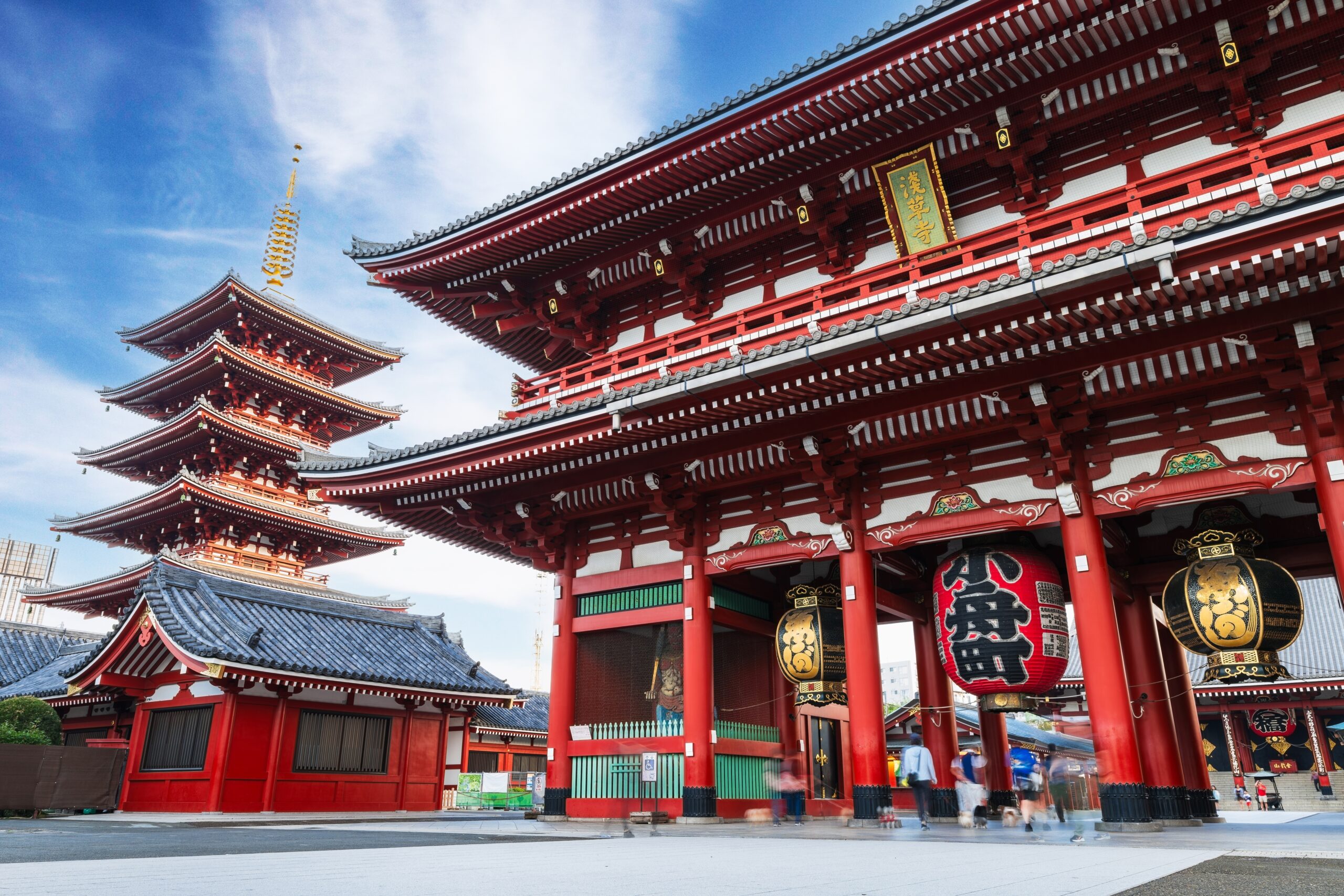
No Asakusa itinerary is complete without a stop at Senso-ji Temple and Kaminari-mon Gate. As Tokyo’s oldest and most visited Buddhist temple, Senso-ji is one of the city’s most iconic landmarks — and the enormous red lantern hanging at Kaminari-mon Gate is one of its most recognizable images.
Beyond the gate, visitors can make their way toward the main hall, soak in the temple atmosphere, and take part in simple rituals like drawing an omikuji fortune slip or wafting incense smoke from the large temple burner. The grounds themselves are also worth exploring — a five-story pagoda, smaller shrines and halls, and stone statues that tend to reveal more the longer you linger.
Nakamise-dori Shopping Street
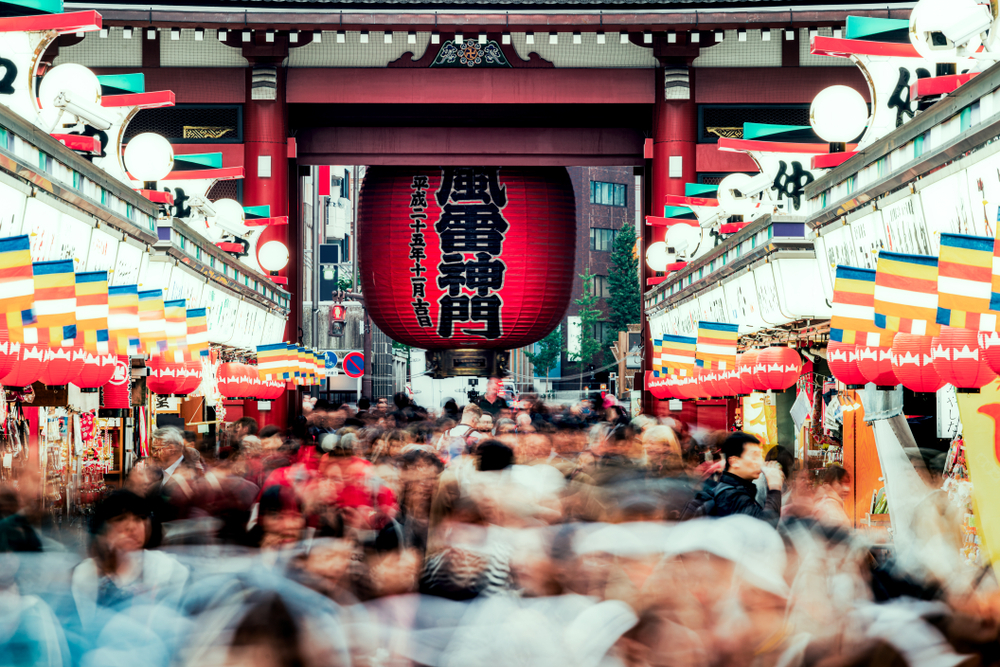
Stretching about 250 meters from Kaminari-mon Gate straight to Senso-ji Temple, Nakamise-dori Shopping Street is another of Asakusa’s iconic spots. Lined with roughly 90 shops selling everything from folding fans and lucky charms to handmade crafts and small gifts, it’s a go-to destination for souvenirs and street food.
The street takes on a different character depending on the time of day. Early mornings are calm and photogenic, making it a great window for unhurried exploration before the crowds roll in. By midday, the energy picks up considerably as visitors fill the street, snacking on classic Japanese sweets and browsing shops on their way to the temple.
Asakusa Rokku District
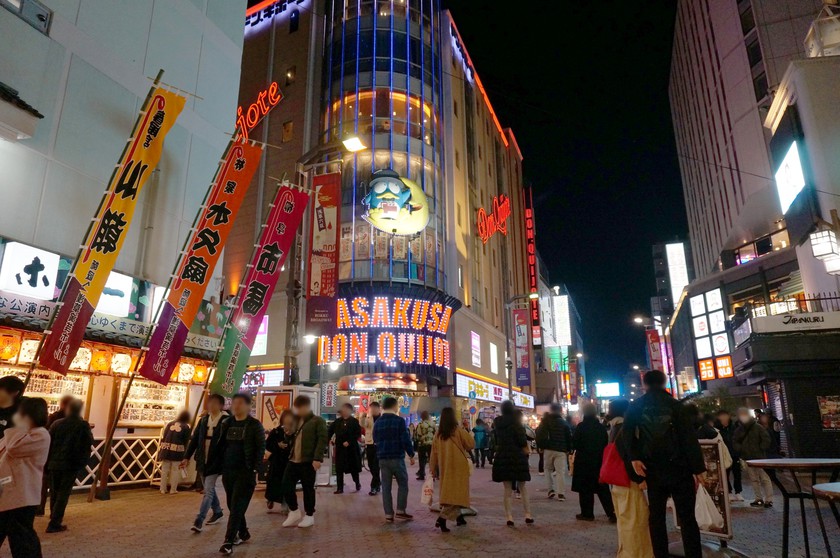
Located southwest of Senso-ji Temple, Asakusa Rokku is an entertainment district that once thrived as one of Tokyo’s major hubs for theater and performance. In the early 20th century, the area buzzed with cinemas, vaudeville halls, and a lively nightlife scene that drew crowds from across the city.
Today, Asakusa Rokku still carries that retro charm, blending old-school character with shops, restaurants, entertainment venues, and modern storefronts. The district also has a moment in pop culture — its atmospheric night scenery appears in the hit Japanese anime series Demon Slayer (Kimetsu no Yaiba), making it a worthwhile stop for fans of the show.
Asakusa Underground Shopping Street
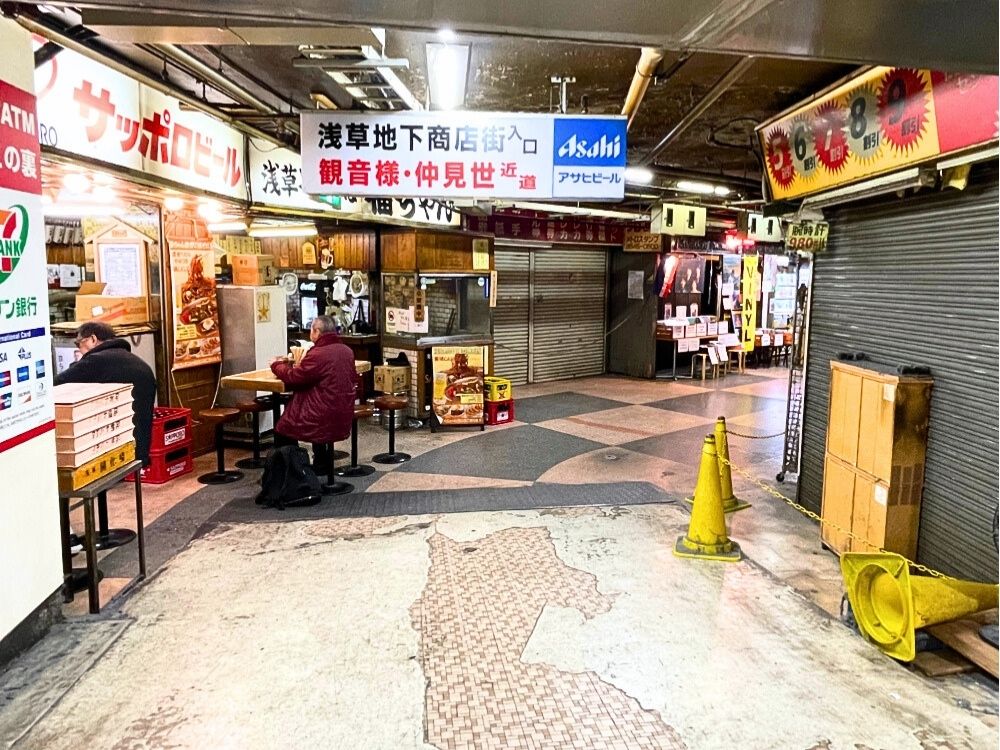
Hidden beneath the streets of Asakusa, Asakusa Underground Shopping Street offers a completely different side of the neighborhood. Also known as the Asakusa Chikagai, this short underground arcade opened in 1955 and is widely considered one of Japan’s oldest surviving underground shopping streets.
Inside, the arcade is home to casual food counters, small bars, and a handful of one-of-a-kind shops. Visitors can stop for a plate of yakisoba noodles, browse through old vinyl records, settle in for a drink, or simply wander the corridor and take it all in — a quiet slice of Tokyo that feels worlds away from the city above ground.
Asakusa Culture and Tourist Information Center
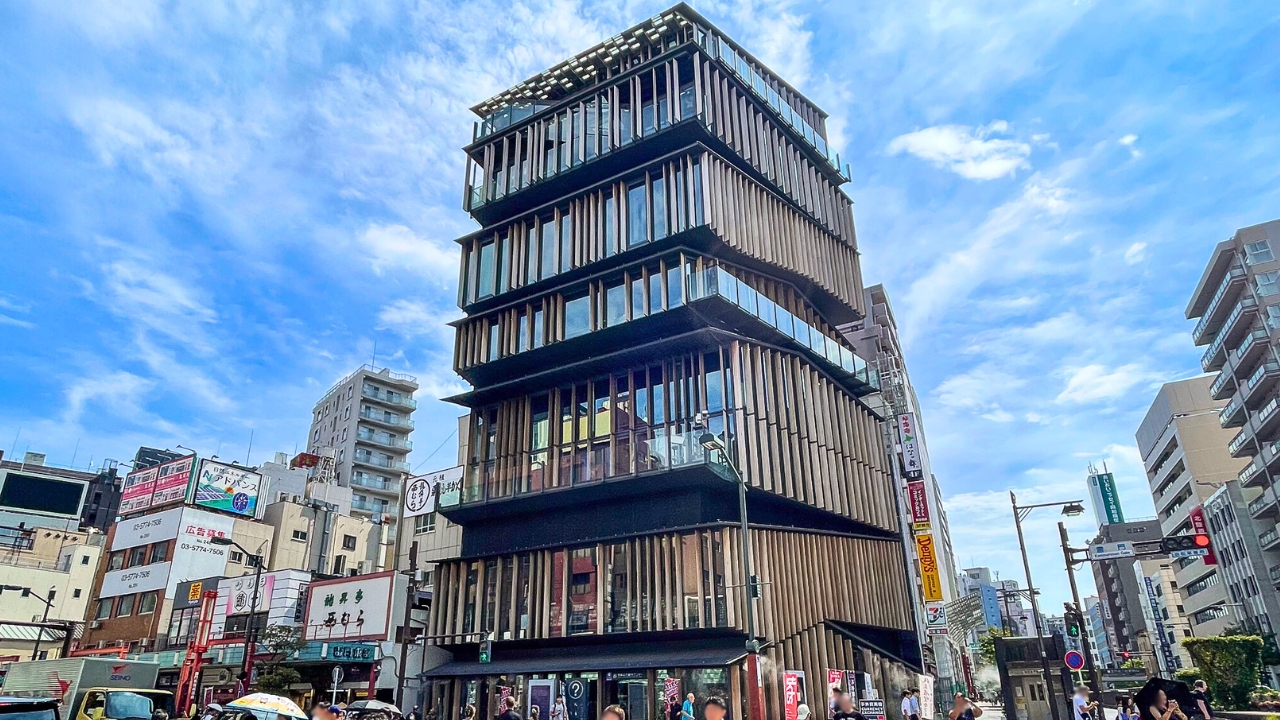
Located just across from Kaminari-mon Gate, the Asakusa Culture and Tourist Information Center is a useful first stop for visitors. The building offers multilingual information, brochures, event details, and helpful guidance for sightseeing around Asakusa.
One of its biggest highlights is the free observation deck on the eighth floor. From there, visitors can enjoy views of Senso-ji Temple, Nakamise-dori and TOKYO SKYTREE. It is a convenient spot for photos and for getting a better sense of Asakusa’s layout before walking around.
What to Do in Asakusa: Best Cultural Experiences and Activities in Asakusa
Asakusa offers much more than sightseeing. Visitors can shop for unique Japanese kitchenware, join hands-on workshops, or rent a kimono and explore the old streets in style. These experiences add variety to an Asakusa itinerary and make the area enjoyable for different travel styles.
Kappabashi Dougugai Street (Kappabashi Kitchenware Town)
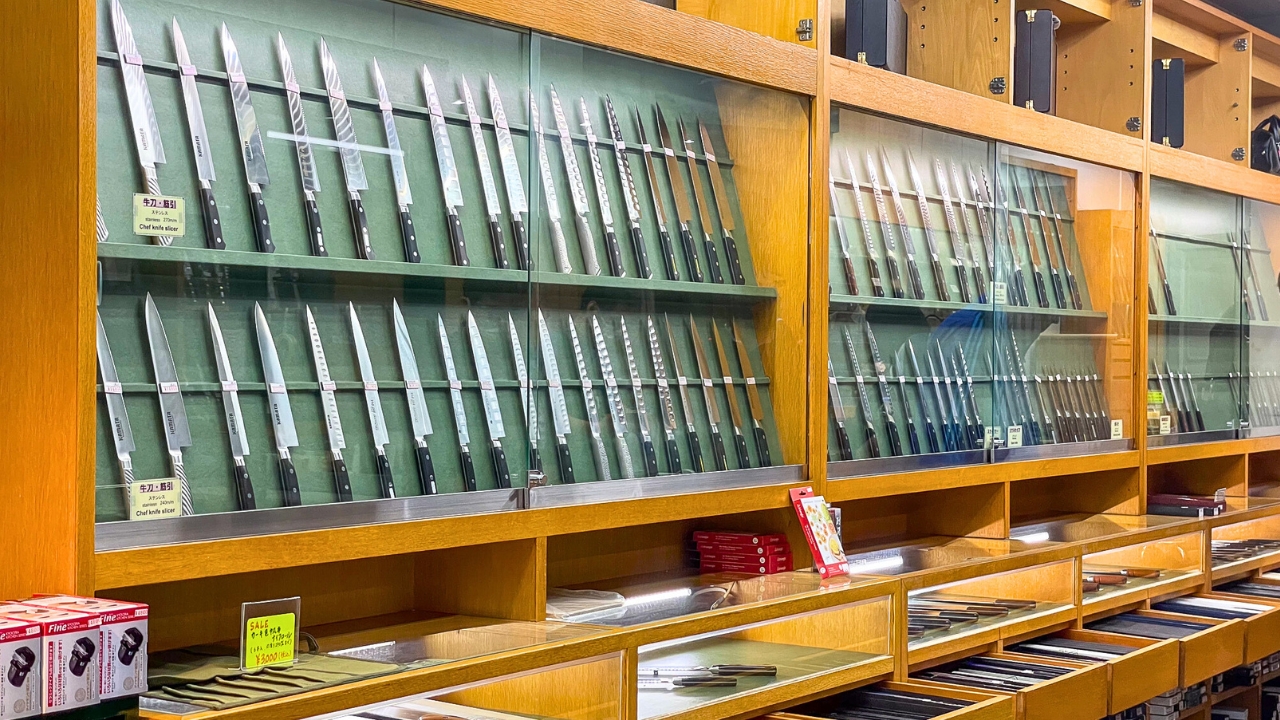
Kappabashi Dougugai Street, also known as the Kappabashi Kitchenware Town, is a one-of-a-kind shopping district just a short walk from Asakusa. The street is lined with specialty stores selling everything from chef knives, kitchen tools, and tableware to coffee equipment, ramen bowls, chopsticks, and the famously realistic plastic food samples found outside restaurants across Japan.
It’s a great stop not just for professional chefs, but for anyone who’s into cooking, design, or picking up something genuinely unique to take home. Even without buying anything, window shopping here is an experience in itself.
Asakusa Sumo Club
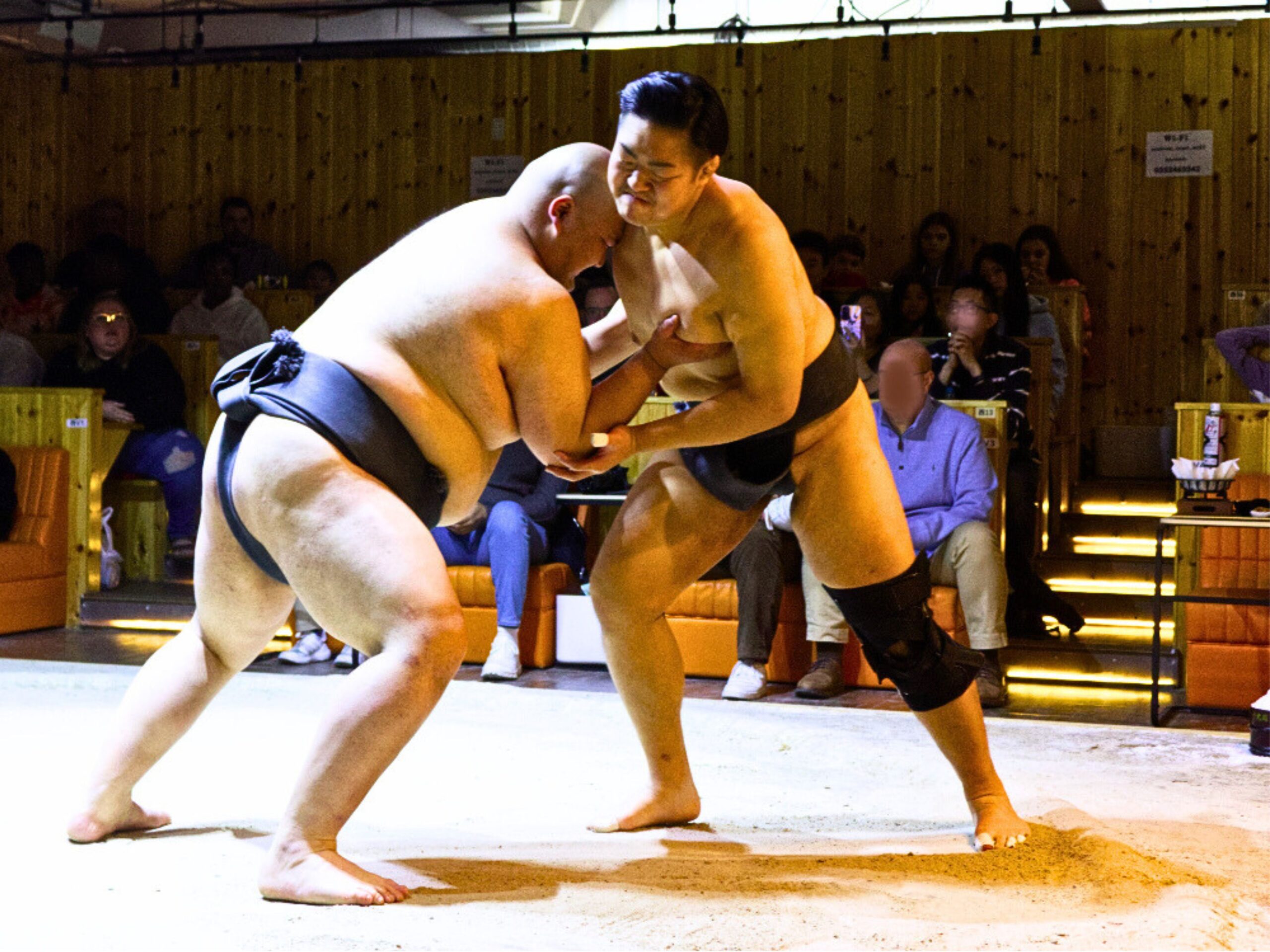
Asakusa Sumo Club offers a tourist-friendly sumo experience in the heart of Asakusa. Instead of visiting a formal training stable, guests can watch demonstrations by former professional wrestlers, learn about sumo culture, and even step into the ring themselves.
Another highlight is the meal. Guests can enjoy chanko nabe, the hearty hot pot closely associated with sumo wrestlers, along with other dishes depending on the plan.
BUB ACTIVITY CENTER Asakusa
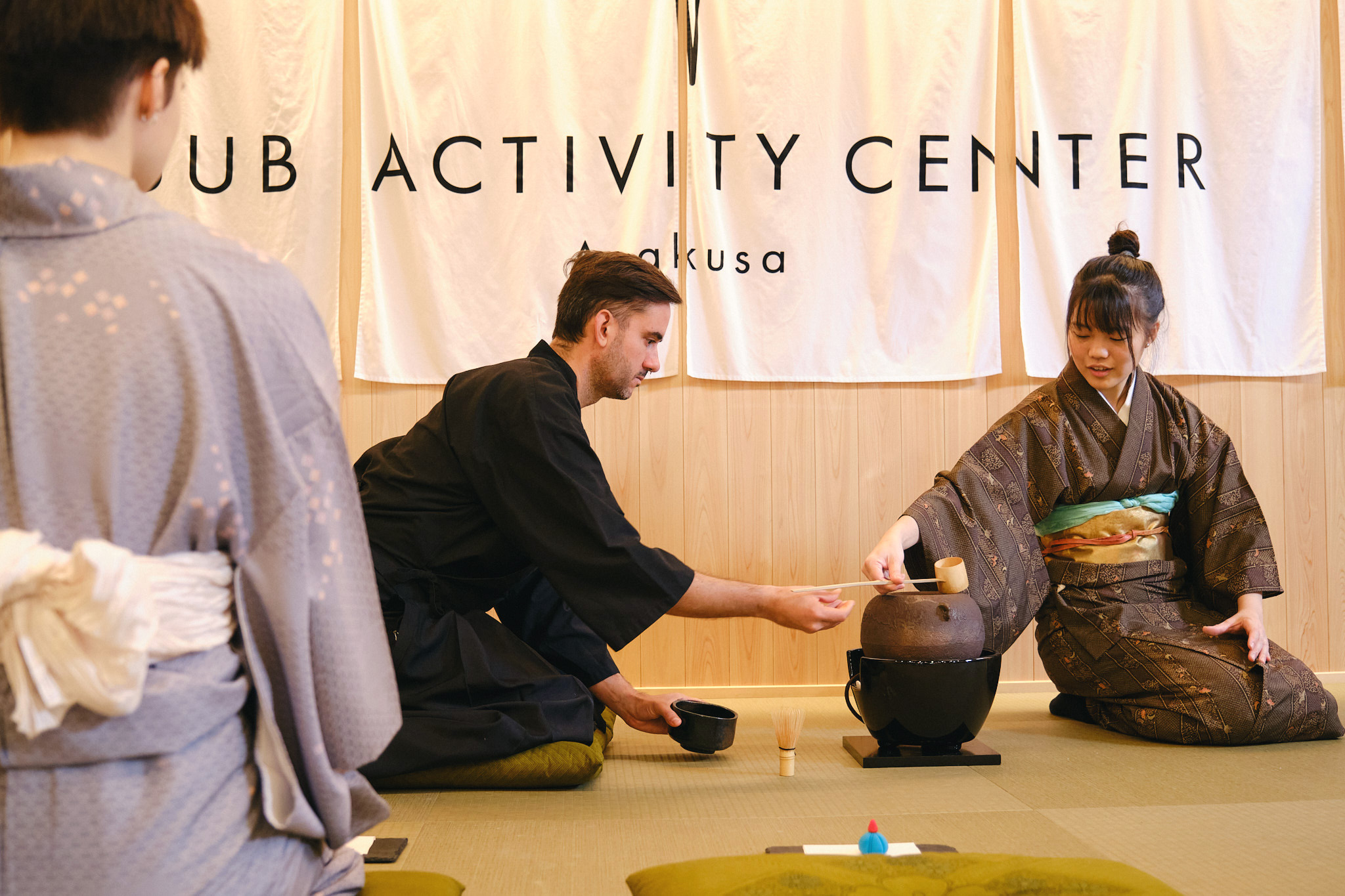
BUB ACTIVITY CENTER Asakusa is an indoor cultural experience hub where travelers can try several Japanese traditions all in one place. The center offers a variety of experiences, including tea ceremony, samurai-inspired sword and archery activities, Japanese knife-making, and yukata crafting. Most activities are available in English, and the friendly bilingual staff keep the atmosphere approachable for international visitors, families, and first-timers alike.
Sushi Making Tokyo
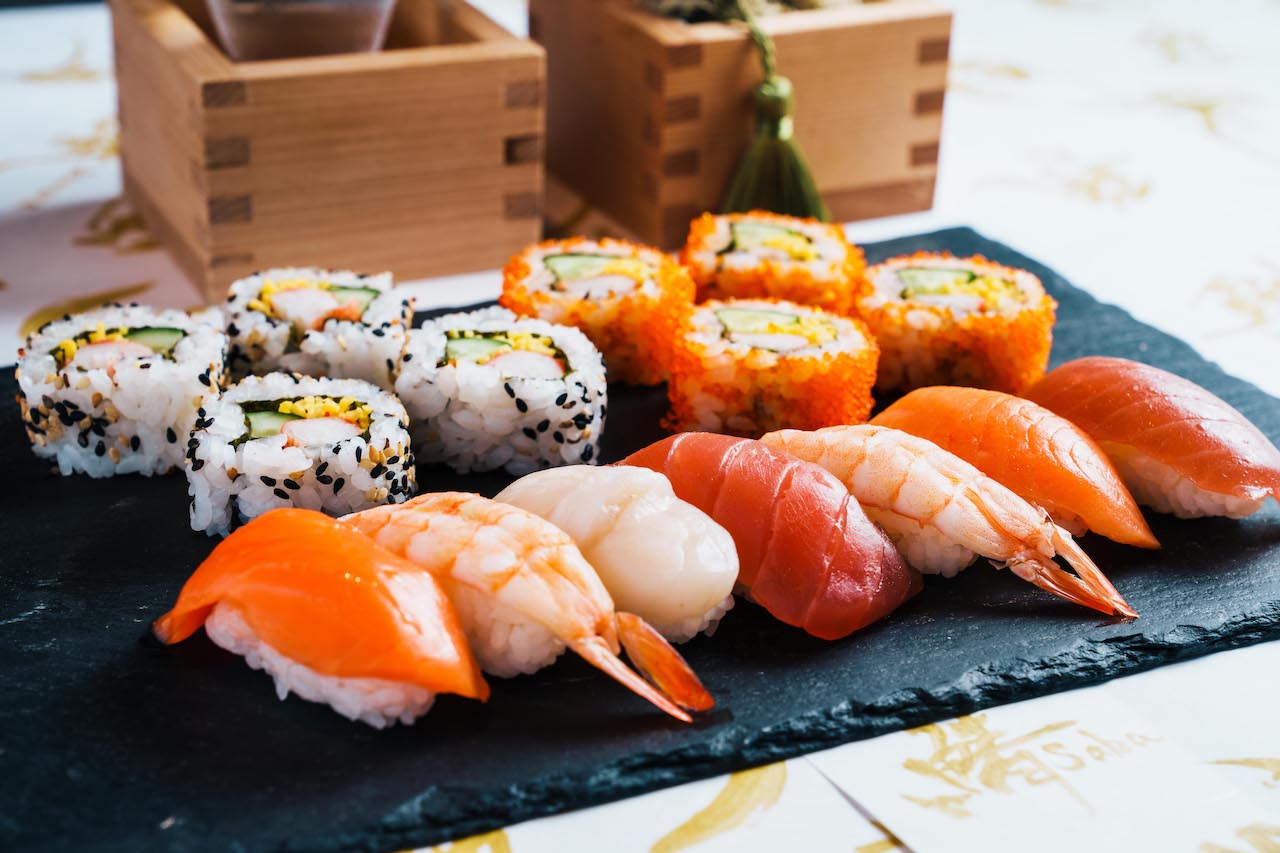
Sushi Making Tokyo is a hands-on cooking class where visitors can learn to make sushi in a friendly, English-speaking environment.
Designed with international visitors in mind, the class is welcoming even for complete beginners. The session opens with a short introduction to sushi culture before moving into step-by-step practice. Guests then have a chance to make their own sushi, eat what they prepare, and pick up some practical knowledge about Japanese food culture along the way. Vegetarian, gluten-free, and halal options are available.
mipig café Asakusa

mipig café Asakusa makes for a gentle break from sightseeing. Inside the cozy space, visitors can unwind alongside a cast of small micro pigs in a laid-back, lighthearted setting — the pigs roam freely around the café and may wander right up to guests, making the whole experience feel warm and playful.
As availability can vary by season and time of day, checking the official website ahead of visiting is recommended.
Ninja Experience Café
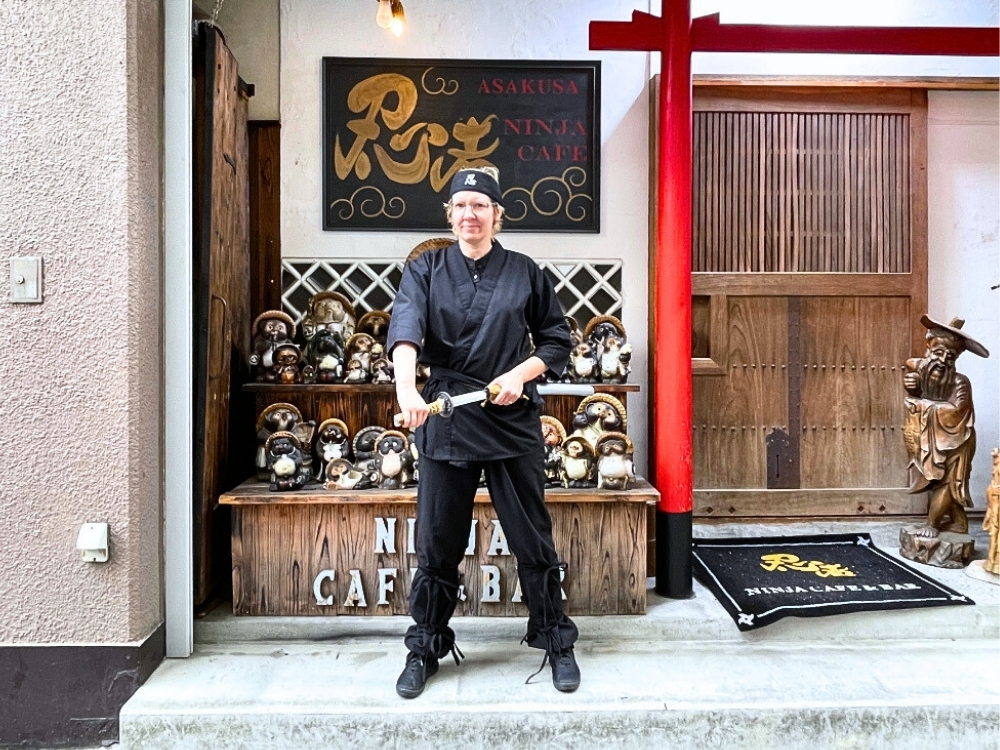
Ninja Experience Café is a playful indoor attraction where visitors can step into the world of Japanese ninja culture through hands-on training activities such as shuriken ninja stars throwing, fukiya blowgun practice, and sword training.
Guests can wear ninja-style costumes, take photos inside the themed space, and learn simple techniques from friendly instructors. After the training session, visitors can also enjoy ninja-themed food and drinks, including dramatic desserts and themed meals.
Jidaiya
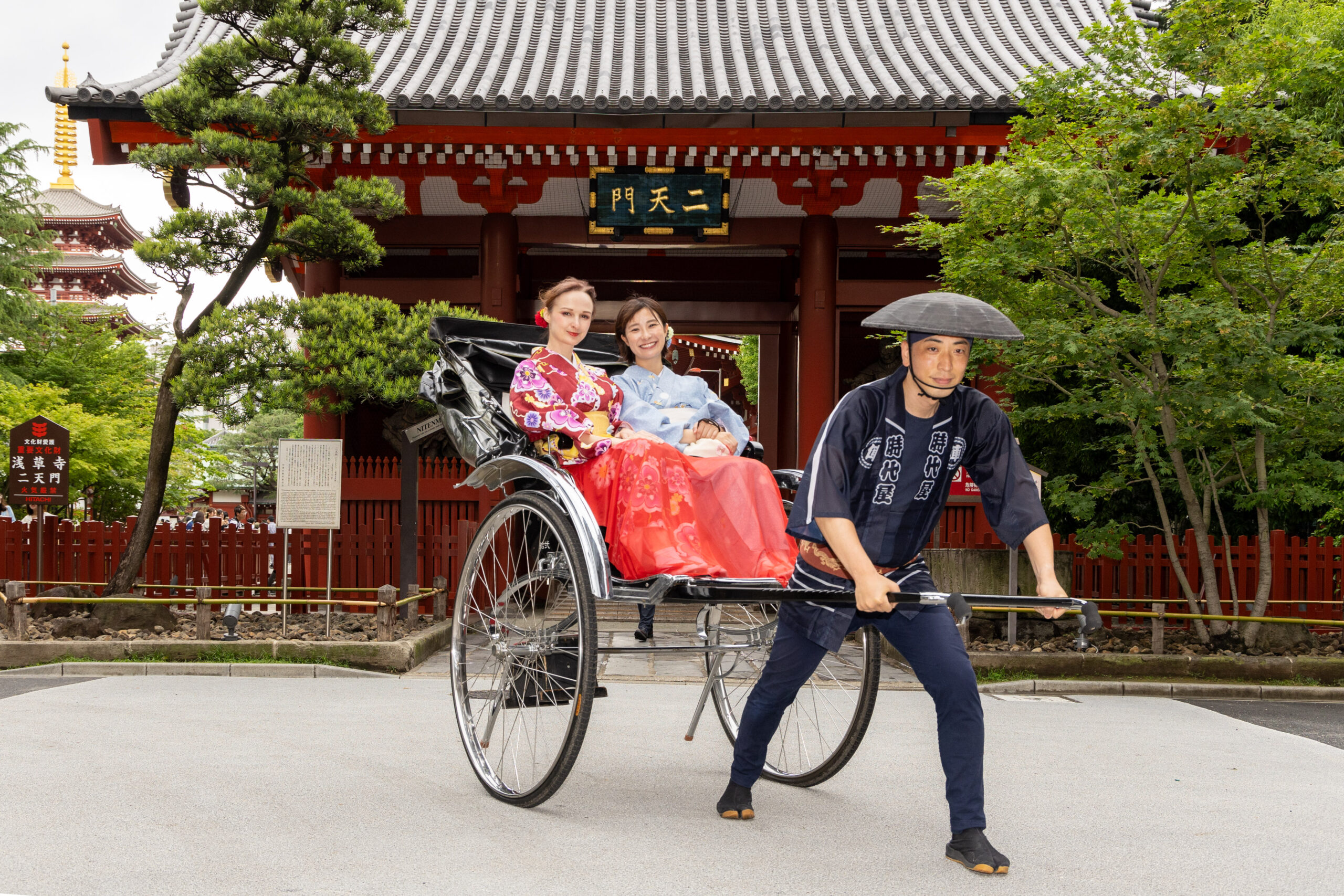
Jidaiya is an all-in-one cultural experience provider offering activities such as rickshaw rides, kimono and yukata rentals, tea ceremony, wagashi making, and traditional arts and crafts. One of its signature experiences is the sightseeing rickshaw tour. Led by trained rickshaw pullers, the ride introduces visitors to Asakusa’s streets, landmarks, and local stories in an entertaining way.
Short rides can be enjoyed even with limited time, while longer courses are better for travelers who want a guided overview of the area.
What to Eat in Asakusa: Local Food, Traditional Desserts, and Japanese Sake
Asakusa is a great area for travelers who enjoy sampling local flavors as they explore. From temple-side snacks and traditional sweets to grilled eel and sake tasting, the neighborhood offers a relaxed and enjoyable food experience.
Whether you want a sit-down meal, a quick snack, or an evening drink, Asakusa makes it easy to build your own casual food tour around sightseeing.
Unagi (Grilled Eel) Delicacies
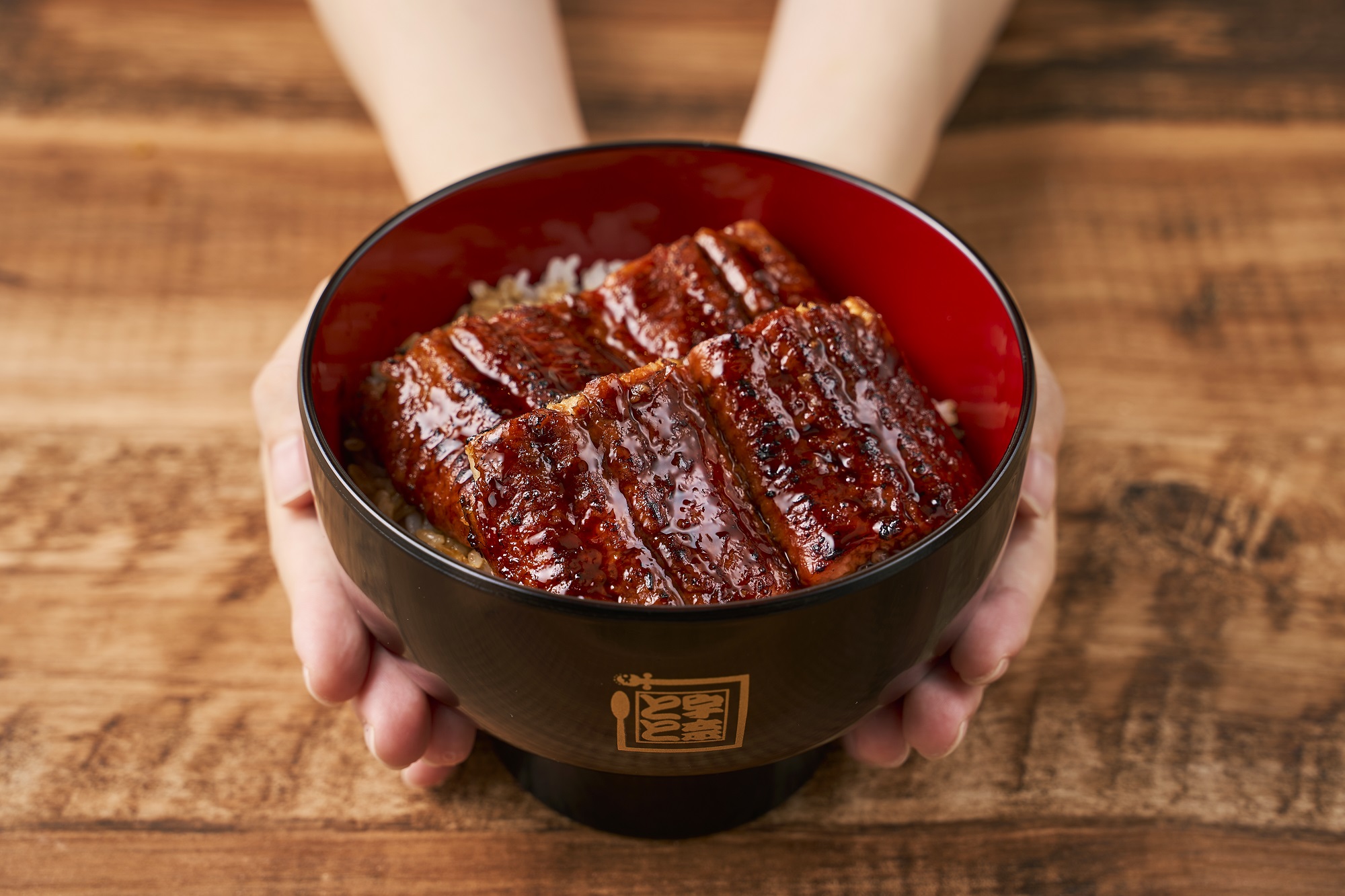
Unagi, or grilled eel, has been a Japanese classic for centuries. For some of the best unagi dishes in Tokyo, Asakusa is a great place to start.
Asakusa Unana is a popular pick, serving approachable options like grilled eel rice balls alongside traditional unaju. Those after a generous, no-fuss bowl of eel over rice will find Unatoto Asakusa hits the spot, while Asakusa Unatetsu leans into a more refined, sit-down dining experience for those looking to linger over the meal.
Asakusa Yokocho
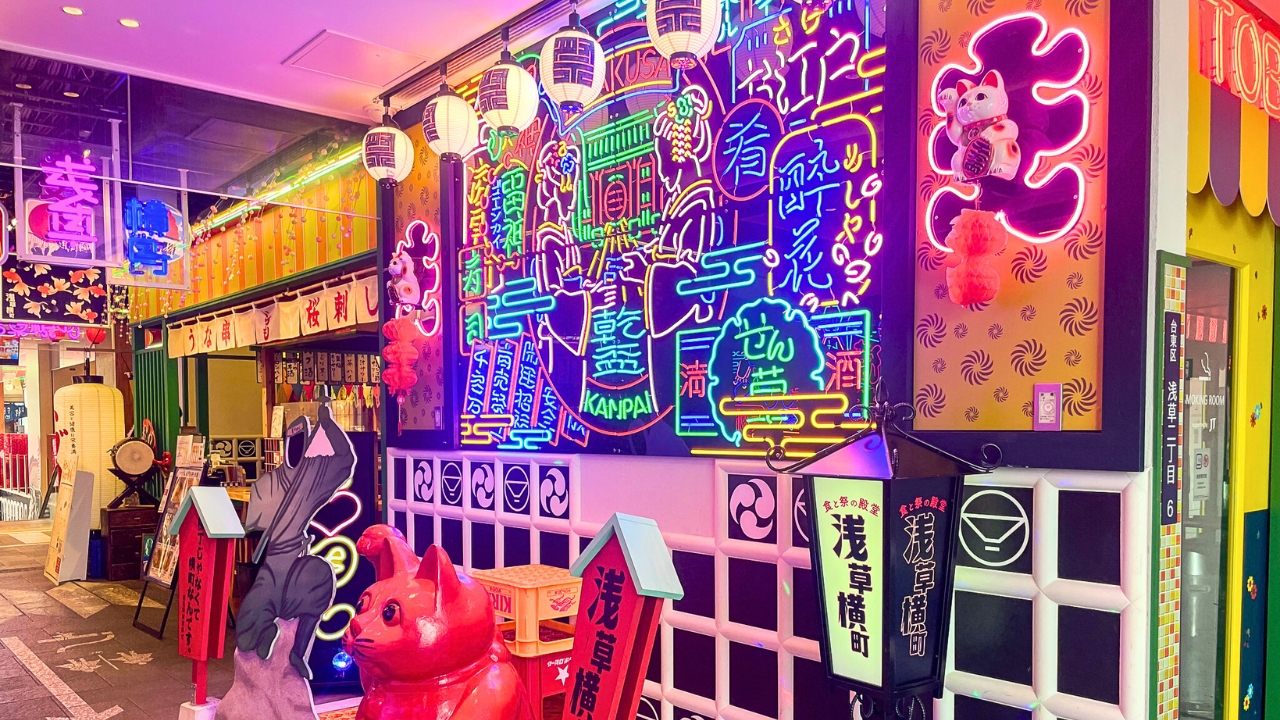
Asakusa Yokocho is a colorful indoor food and entertainment hub on the 4th floor of the Tokyo Rakutenchi Asakusa Building. Designed with retro signage, hanging lanterns, and a lively festival atmosphere, the space puts a fun, modern spin on the classic Japanese yokocho drinking alley experience.
Visitors can expect a mix of food, drinks, photo spots, and cultural events, with weekends typically drawing more energy to the floor. Come evening, the izakayas and casual dining spots keep things buzzing well into the night.
WASAKE Sake Experience
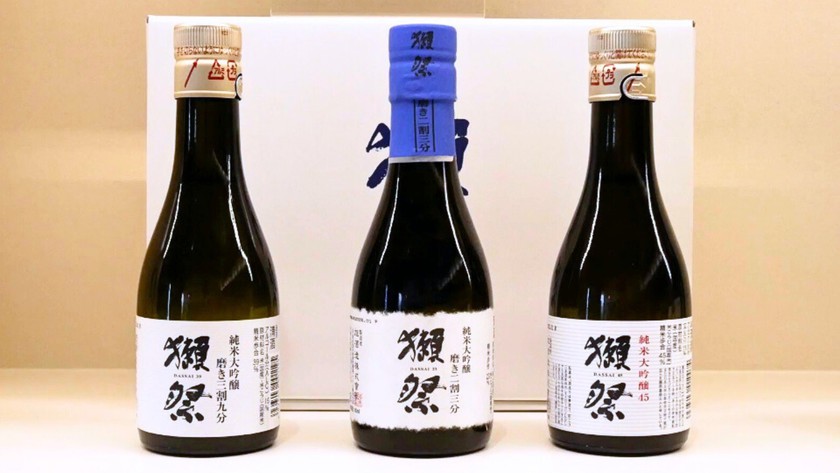
WASAKE Sake Experience is a modern sake-tasting bar where visitors can sample a wide variety of sake sourced from across Japan. Friendly staff walk guests through the differences in flavor, region, and brewing style, making the whole thing approachable even for first-timers.
The atmosphere is relaxed and stylish — easy to drop into for a casual evening drink before or after dinner.
Kakigori and Traditional Japanese Desserts
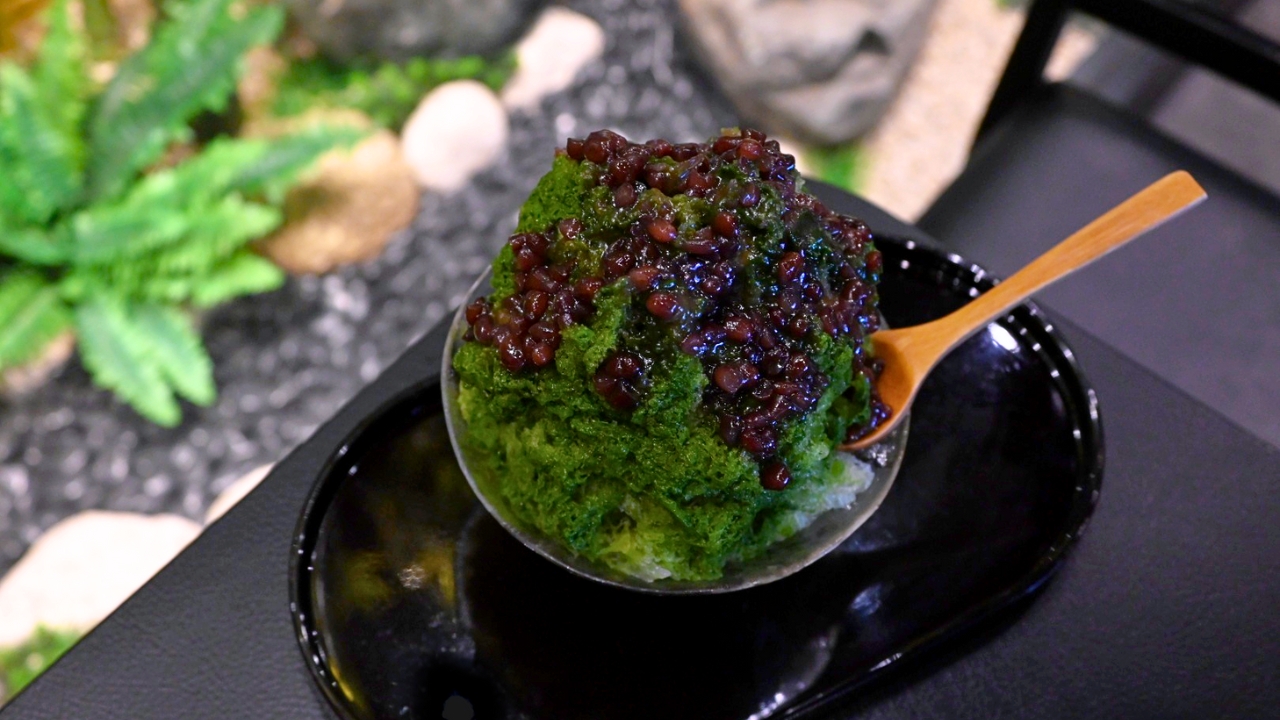
For anyone with a sweet tooth, a dessert break fits naturally into any Asakusa itinerary.
In the warmer months, kakigori — finely shaved ice topped with flavored syrups like matcha or fruit — makes for a refreshing treat on the go. Beyond kakigori, the neighborhood also offers a range of traditional desserts, from anmitsu and warabi mochi to dorayaki, all of which pair nicely with tea. They make for a perfect pit stop between temple visits, shopping, and exploring the streets.
Asakusa Itinerary Ideas for Every Travel Style
Not sure where to start with so many options to choose from? These sample Asakusa itineraries are designed to help you make the most of your time based on your schedule and travel style. With most major attractions clustered close together, Asakusa is easy to explore in half a day, a full day, or as a dedicated food-focused neighborhood walk.
Half-Day Asakusa Itinerary for First-Time Visitors
👍Best for: travelers with limited time or first-time visitors
⏰Duration: 4 – 5 hours
- Start with Senso-ji Temple and Kaminari-mon Gate for a classic Asakusa experience.
- After visiting the temple grounds, walk along Nakamise-dori Shopping Street to try snacks and shop for souvenirs.
- Join a sumo experience at the Asakusa Sumo Club, complete with an authentic chanko nabe lunch course.
- If you still have time, end your visit with dinner at an unagi restaurant or a casual evening stop at Asakusa Yokocho.
Full-Day Asakusa Itinerary for Culture and Local Experiences
👍Best for: travelers who want to enjoy Asakusa more deeply
⏰Duration: 6 – 8 hours
- Begin your morning at Senso-ji before the area becomes too crowded.
- After exploring the temple and Nakamise-dori, visit the Asakusa Culture and Tourist Information Center for photos and local information.
- For lunch, enjoy Asakusa Yokocho or a local restaurant, then spend the afternoon renting a kimono or exploring Kappabashi Kitchenware Town.
- In the evening, explore the Asakusa Underground Shopping Street or return to Asakusa Rokku to see the area in a quieter mood.
Foodie Asakusa Itinerary
👍Best for: food lovers and casual explorers
⏰Duration: Flexible
- Start with a street food walk around Nakamise-dori and the Senso-ji area. Try small snacks, traditional sweets, or seasonal treats as you explore.
- For lunch, choose unagi for a classic Japanese meal, then spend the afternoon browsing Kappabashi Kitchenware Town for food-related souvenirs.
- Later in the day, take a dessert break with kakigori or Japanese sweets.
- Finish your food-focused walk with sake tasting at WASAKE or casual drinks at Asakusa Yokocho.
Where to Stay in Tokyo: Is Asakusa a Good Area?
Yes. For travelers visiting Tokyo — especially first-timers — staying in Asakusa is a practical choice. The neighborhood is compact and walkable, with plenty to take in across temples, traditional shopping streets, local food, and more. Being based right in the area means guests can step out, explore at their own pace, and head back to rest between spots without losing half the day to transit.
Another advantage of staying in Asakusa is being able to experience the neighborhood at different times of the day. Daytime brings the full energy the area is known for — the crowds and the bustle around Senso-ji and Nakamise-dori. After sunset, the atmosphere shifts into something quieter and more local, with the streets thinning out and the neighborhood settling into a slower pace — perfect for a leisurely evening stroll or a night out at one of the area’s many izakayas.
For travelers who want both sides of Asakusa — the vibrant daytime buzz and the laid-back local feel after dark — staying in the neighborhood makes all the difference.
Your Personalized Kyoto Experience Starts at HOTEL TAVINOS Asakusa
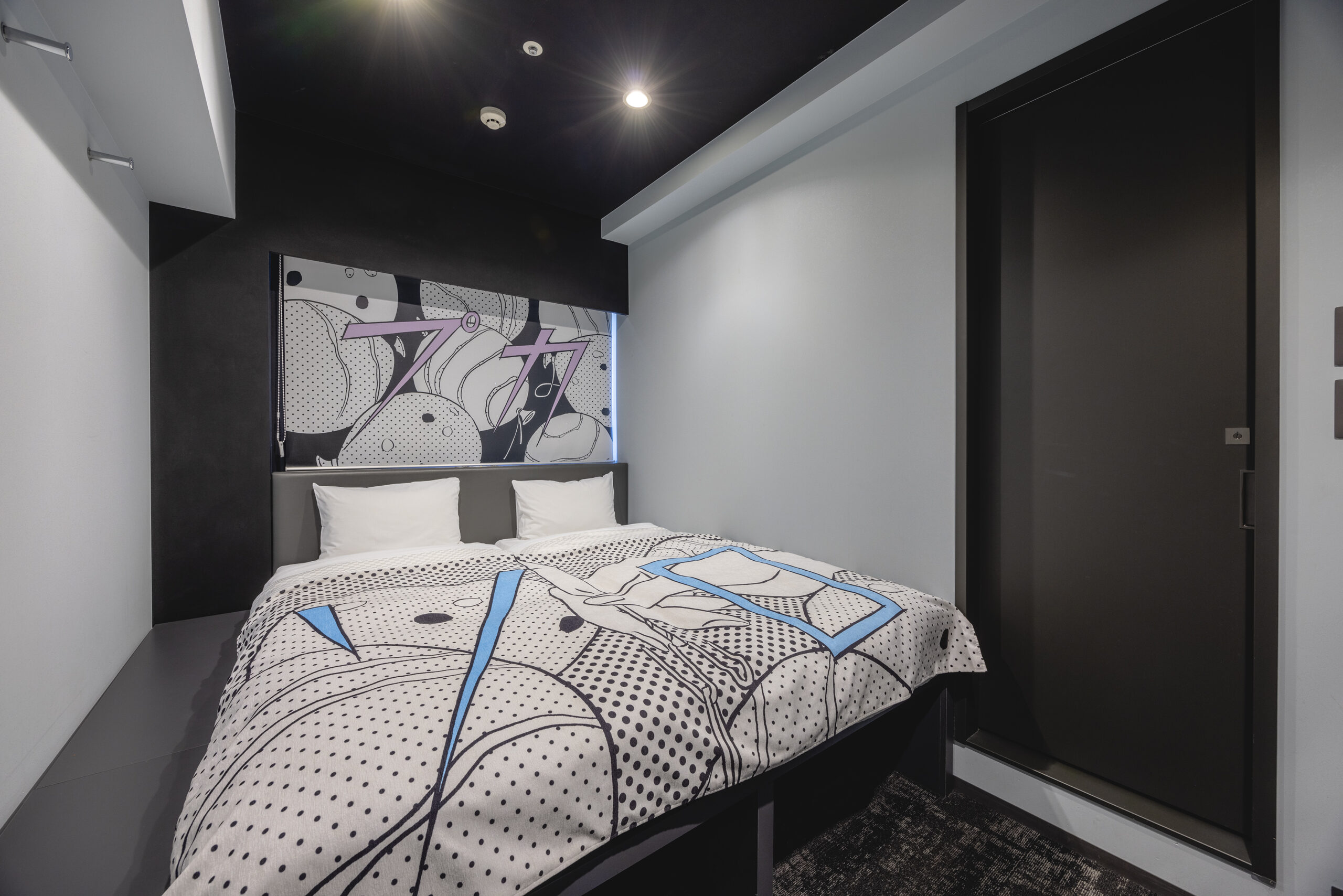
Located in the heart of Asakusa, HOTEL TAVINOS Asakusa makes a natural base for exploring the neighborhood and beyond. Situated just a 4-minute walk from Senso-ji Temple and around 10 minutes on foot from Asakusa Station, most of the area’s top draws are within easy walking distance or a short train ride away. Use this Asakusa travel guide to start planning your itinerary — and why not make HOTEL TAVINOS Asakusa your home base while you’re at it?