
Blog
Guide to Traveling Between Tokyo and Kyoto: Shinkansen, Bus, and Flight Options
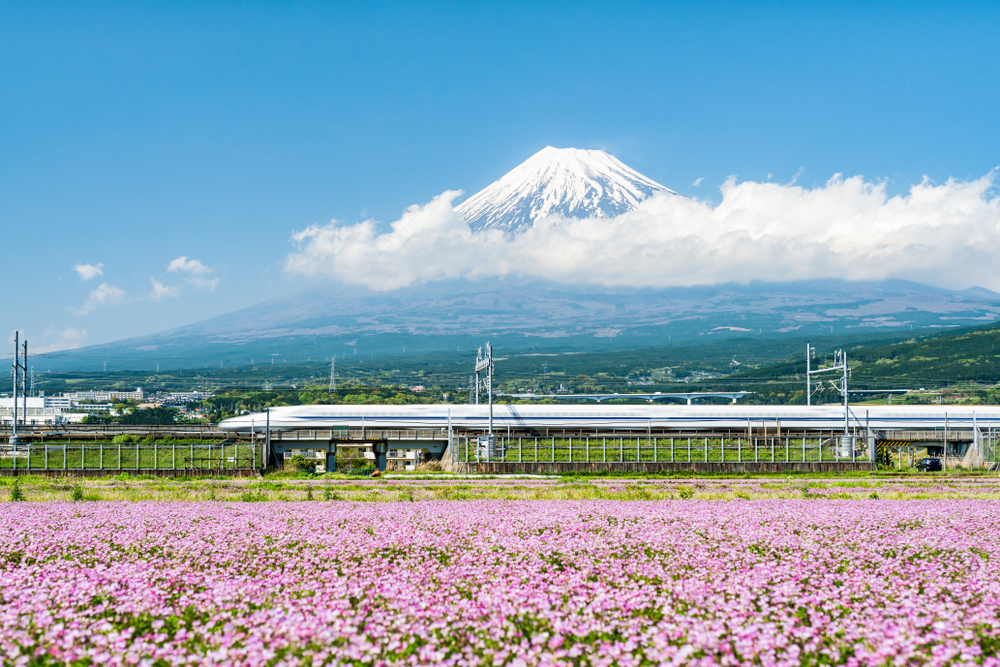
Tokyo and Kyoto are two of Japan’s most popular stops for international travelers, and many include both cities in the same itinerary. For most travelers, the easiest way to get between Tokyo and Kyoto is the Tokaido Shinkansen bullet train, with the fastest Nozomi service taking about 2 hours 10 minutes. Highway buses can be much cheaper but take considerably longer, while domestic flights involve extra airport transfers because Kyoto does not have its own airport. This guide compares travel time, typical costs, comfort, booking options, JAPAN RAIL PASS use, and practical tips to help you choose the route that best fits your trip.
Content
What Is the Best Way to Travel Between Tokyo and Kyoto?
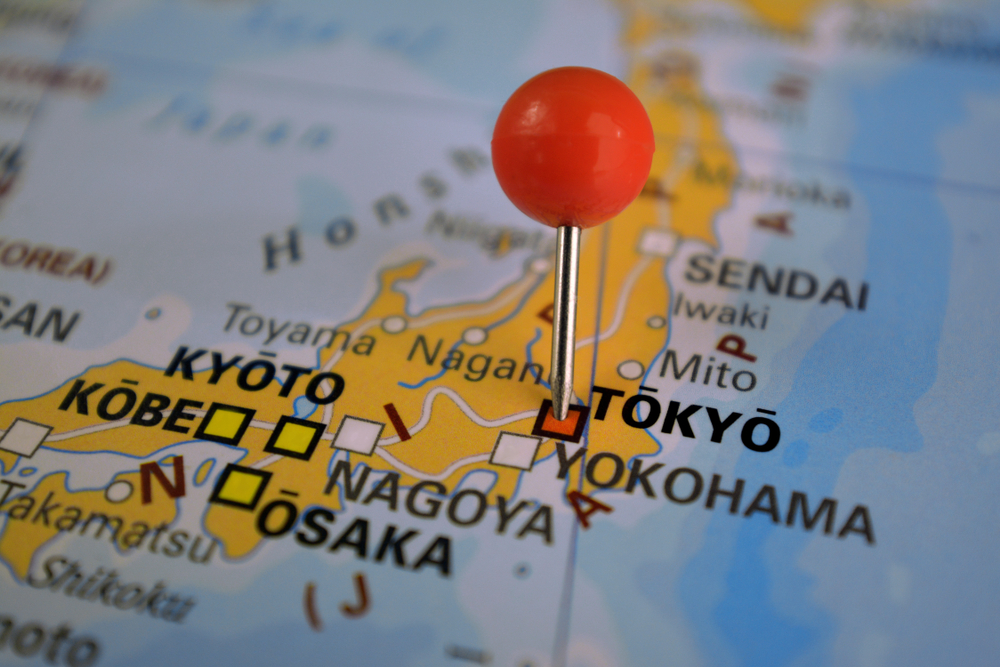
Tokyo and Kyoto are about 365 kilometers (227 miles) apart in a straight line, and roughly 450 kilometers (280 miles) apart by road. The three main ways to travel between them are the Tokaido Shinkansen, highway buses, including overnight buses, and domestic flights connecting through Osaka. The fastest Shinkansen takes about 2 hours 10 minutes, while highway buses generally take around 7 to 9 hours. Flying may look quick based on flight time alone, but the total journey is almost always longer than the flight time suggests — once airport access, check-in, security, and the transfer into Kyoto are all factored in, domestic flights are rarely a practical choice for a Tokyo–Kyoto trip.
💡 Quick Guide to Choosing Your Best Route
Wondering which option fits your trip best? Here’s a quick way to decide:
- Shinkansen is best for most first-time visitors and travelers who prioritize speed, comfort, and straightforward city-center access.
- Highway buses suit budget-conscious travelers or backpackers, especially those making overnight trips to maximize sightseeing time or to save on one night of accommodation.
- Domestic flights are only worth considering if your itinerary includes Osaka, or if a flight connection makes sense for your wider trip. For a simple Tokyo–Kyoto journey, the Shinkansen is usually faster and easier overall.
Traveling Between Tokyo and Kyoto: Shinkansen, Bus, or Flight
The table below compares the three main ways to travel between Tokyo and Kyoto by overall travel time, typical cost, comfort, and flexibility. Fares and schedules can change by date and operator, so check current prices before booking.
| Travel Time | One-Way Fare | Comfort Level | Flexibility | |
| 🥇Shinkansen | Varies by service: 1. Nozomi: About 2 hr 10 min 2. Hikari: About 2 hr 35–50 min 3. Kodama: About 3 hr 40 min | Varies by seat type and season; 1. Nozomi: ¥13,320 / ¥14,170 / ¥19,040 2. Hikari and Kodama: ¥13,320 / ¥13,850 / ¥18,720 (Non-reserved Seats / Reserved Seats / Green Car*; all fares listed are regular-period rates) | Smooth and comfortable. | ● Frequent departures with direct city-center access via Tokyo/Shinagawa and Kyoto stations. ● Tickets can be changed before departure, subject to conditions. ● Reserved and non-reserved seating are available. (*Nozomi operates with reserved seats only during designated peak periods.) |
| 🥈Highway Bus | About 7–9 hr | Often from around ¥3,000; varies by date, operator, and seat type | Space and amenities vary. Premium seats offer more room and privacy. | ● Daytime and overnight services are available. ● Stops vary by operator, but mainly include city centers and popular tourist destinations. |
| 🥉Domestic Flight | About 1–1.5 hr in the air; usually 4+ hr total with transfers | Varies by airline and date; airport transfers cost extra | Comfortable in the air, but the journey requires additional transfers. | ● Kyoto has no airport. Travel requires airport access and an onward trip from the Osaka area. ● Fare rules vary. |
*Green Cars are the Shinkansen’s first-class option, with wider seating, more personal space, and all-reserved seats. They are a good choice for travelers who want a quieter, more relaxed ride. Equipment can vary by train, so check the details of your service when booking
Shinkansen (Bullet Train): The Fastest and Most Convenient
🚅 Arrive / Depart at:
Tokyo Station / Shinagawa Station ⇔ Kyoto Station
⏰ Travel Time:
about 2 hr 10 min to 3 hr 40 min; varies by train
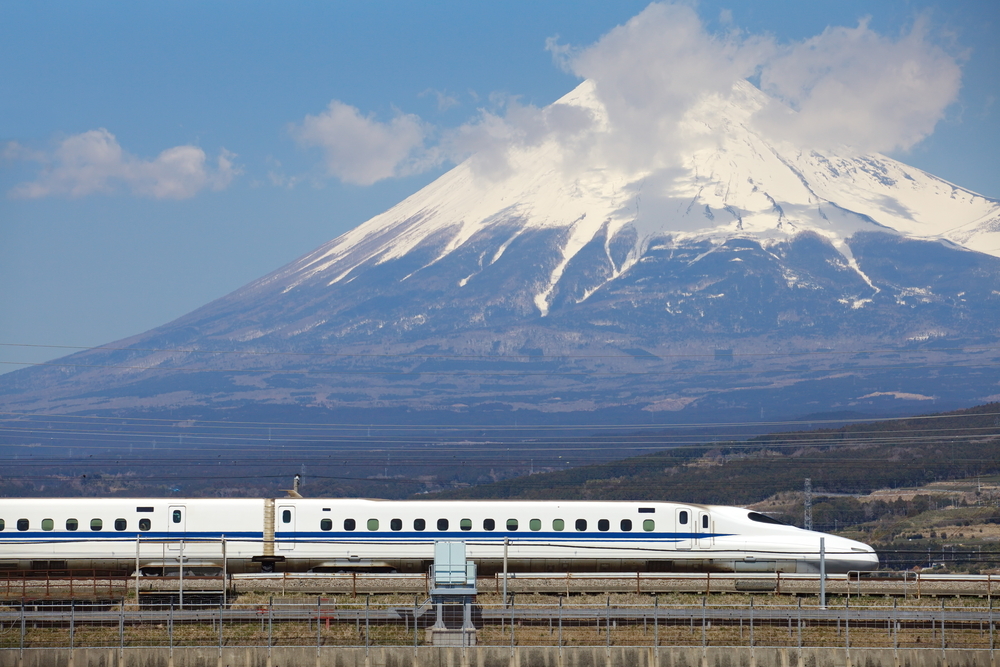
For most travelers, the Shinkansen is the easiest and most convenient way to get between Tokyo and Kyoto. Operated by JR Central, the Tokaido Shinkansen is well known for its frequent departures, reliable service, and comfortable seating — running from Tokyo Station and Shinagawa Station directly to Kyoto Station.
The Tokaido Shinkansen has three main service types: Nozomi, Hikari, and Kodama. Nozomi is the fastest, taking about 2 hours 10 minutes, while Hikari takes roughly 2 hours 35–50 minutes and Kodama around 3 hours 30–40 minutes, depending on the train.
💡Pro tip: On clear days, travelers heading from Tokyo to Kyoto can catch a glimpse of Mount Fuji from the train. The best seat for the view is seat E (or seat D in Green Cars). The best views are around the Shin-Fuji area, although visibility depends on the weather.
Tokaido Shinkansen Train Types and Service Differences
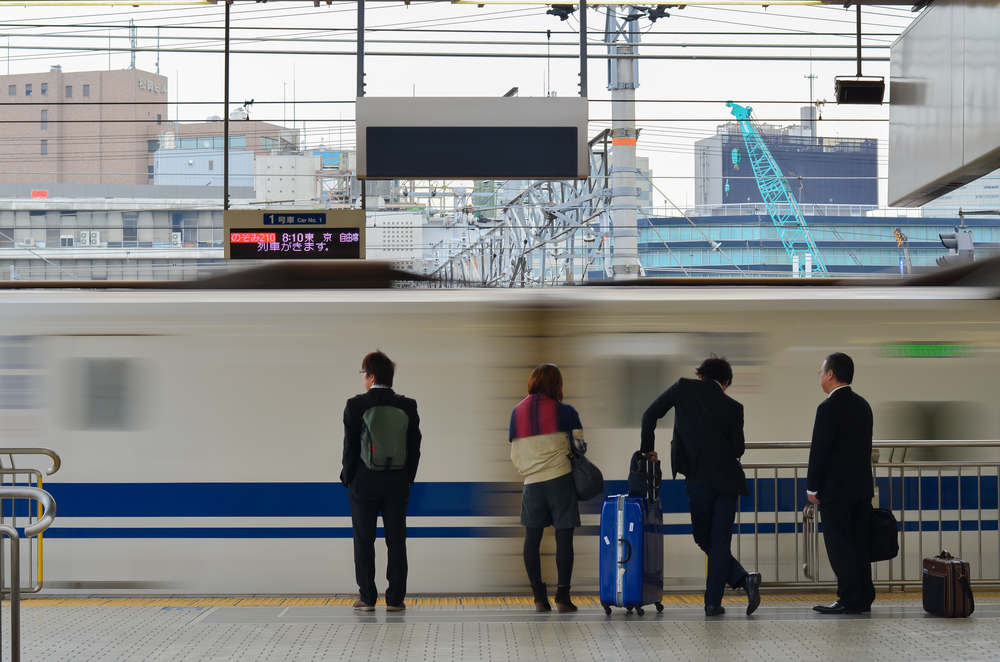
Each Shinkansen train service follows the same Tokaido Shinkansen route, but differs in travel time, stopping pattern and frequency:
| Train Type | Travel Time | One-Way Fare (Non-reserved Seats / Reserved Seats / Green Car) | Frequency | Stops (between Tokyo Station and Kyoto Station) | JAPAN RAIL PASS Validity |
| 🥇Nozomi | about 2 hr 10 min | ¥13,320 / ¥14,170 / ¥19,040 | Most frequent; up to 13 trains per hour | Shinagawa, Shin-Yokohama, and Nagoya before Kyoto | 🔼 Extra ticket (¥4,960) required |
| 🥈Hikari | about 2 hr 35–50 min | ¥13,320 / ¥13,850 / ¥18,720 | Around 1-2 trains every hour during daytime | Nozomi’s stops plus multiple stations (stop patterns vary by train) | ✅Yes |
| 🥉Kodama | about 3 hr 30 min | ¥13,320 / ¥13,850 / ¥18,720 | Up to 3 trains per hour | 16 stops; every station | ✅Yes |
*Travel time varies by train. All prices listed are regular-period rates.
Tips for Choosing the Shinkansen Train Type
- A standard JAPAN RAIL PASS does not cover Nozomi trains. Pass holders who want to ride Nozomi between Tokyo and Kyoto need an additional NOZOMI MIZUHO Ticket, currently ¥4,960 for this section. For pass holders, the Hikari is generally the more practical option because it is fully covered with no extra cost. While it runs a bit slower than the Nozomi, it still offers a comfortable, direct ride between the two cities.
- During major peak periods in Japan such as Golden Week, Obon, and the year-end/New Year holidays, all seats on Nozomi trains are reserved and no non-reserved seats are offered. Hikari and Kodama continue to have non-reserved seating, but reserving ahead is still recommended during busy travel periods.
- For travelers who prioritize savings over speed, Platt-KODAMA is a discounted one-way travel package using Kodama trains. Fares can be lower than regular Shinkansen tickets, although reservations must be made by the day before departure and are generally non-changeable.
Check the JAPAN RAIL PASS official site before travel for the latest conditions and prices.
How and Where to Purchase a Shinkansen Ticket
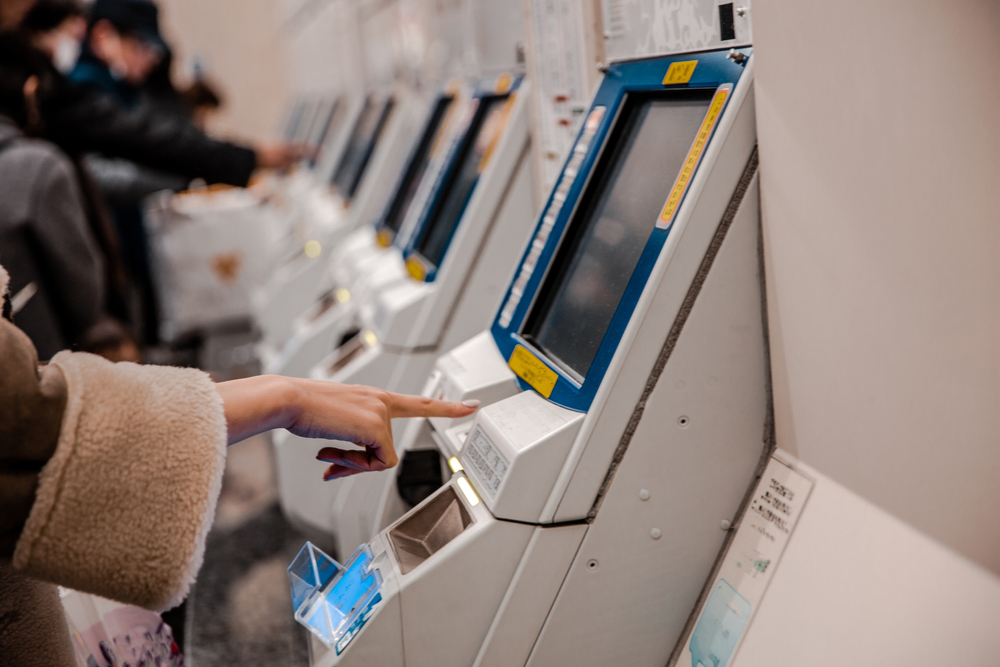
Shinkansen tickets can be purchased through the following methods:
- JR Ticket Offices (Midori no Madoguchi)
Staffed service desks located in major JR stations. Ideal for travelers who need help selecting routes, booking reserved seats, or asking questions. - Ticket Machines
Available at most JR stations and support multiple languages including English. These machines allow travelers to purchase both reserved and non-reserved Shinkansen tickets quickly and easily. - Online Reservation Platforms
● smartEX: The official online reservation service for the Tokaido, Sanyo, and Kyushu Shinkansen. Travelers can search trains, select seats, pay online, and use QR tickets or registered IC cards for ticketless boarding. Reservations are available up to one year in advance for eligible services, and changes are possible before departure under the service conditions.
Is the JAPAN RAIL PASS Worth It for a Tokyo–Kyoto Trip?
Whether the all-you-can-ride JAPAN RAIL PASS is worth purchasing depends on the rest of your itinerary.
The 7-day JAPAN RAIL PASS for ordinary cars costs ¥50,000 for adults through the official online service (¥53,000 for purchases made on or after October 1, 2026 at overseas JR-designated agencies). A one-way Tokyo–Kyoto Shinkansen trip is roughly ¥13,000–¥14,000 in an Ordinary Car at standard fares, so if Tokyo and Kyoto are your only long-distance stops, a round trip alone generally will not justify the pass. But for tourists planning to take multiple long-distance train rides — such as side trips to Osaka, Hiroshima or beyond — the pass can offer significant savings when combining several journeys within the activation period.
Bringing Oversized Baggage on the Shinkansen
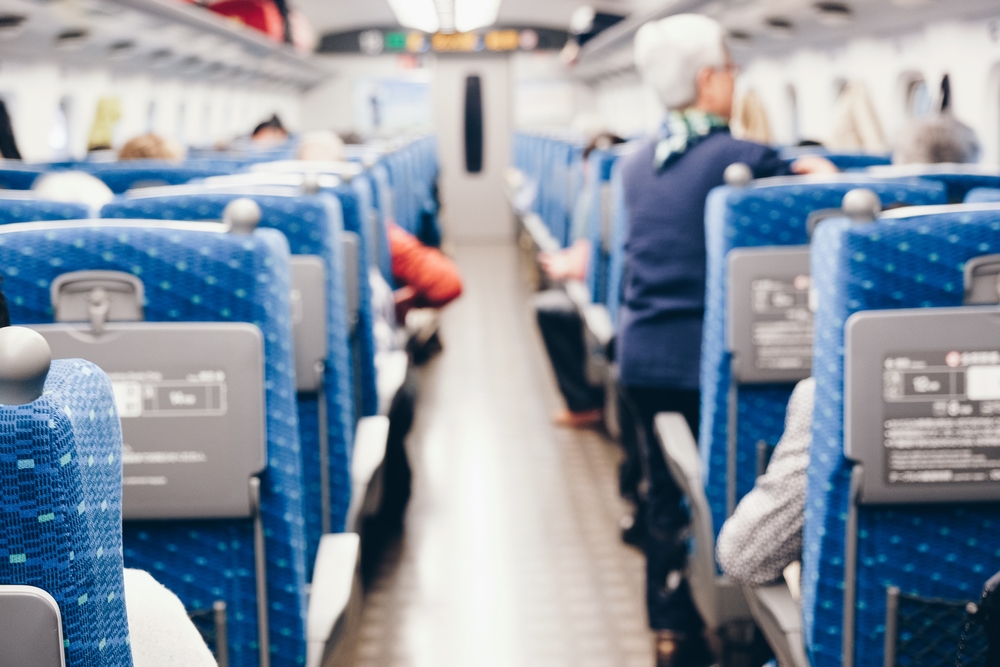
On the Tokaido Shinkansen, baggage with total dimensions of 161–250 cm (length + width + height) is treated as oversized baggage. JR Central’s oversized baggage guidance explains the storage and reservation rules so travelers with large suitcases can plan ahead.
- If you are traveling with oversized baggage, reserve a seat with an oversized baggage area when booking. JR Central also operates some deck baggage compartments as no-reservation storage areas on a trial basis, but availability is limited and the rules may change.
- Baggage with total dimensions over 250 cm cannot be brought on board.
- Passengers who bring oversized baggage without the required reservation are charged a ¥1,000 baggage fee and may be asked to move the item to a space designated by train staff.
Highway Buses: The Most Budget-Friendly
🚌 Arrive/Depart at:
Tokyo city center (Shinjuku, Ikebukuro etc.) ⇔ Kyoto city center (Kyoto Station etc.)
⏰ Travel Time:
about 7–9 hr
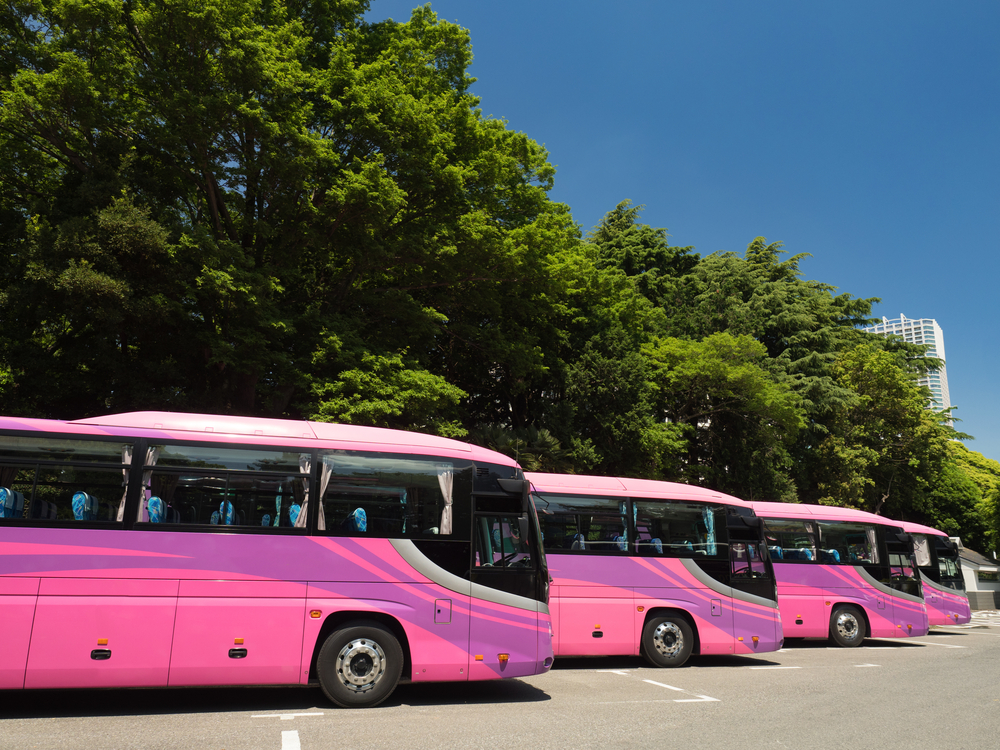
Highway buses are a budget-friendly alternative for travelers who do not mind a longer journey. Services connect Tokyo-area terminals with Kyoto’s major hubs, with both daytime and overnight options — often called night buses (yakō basu) — available depending on the operator and date.
Major Arrival/Departure Points:
| Tokyo | Kyoto |
| ● Tokyo Station ● Shinjuku Station ● Shibuya Station ● Ikebukuro Station etc. | ● Kyoto Station ● Kawaramachi ● Gion-shijo etc. |
Travel time is usually around 7 to 9 hours, but fares can be far lower than the Shinkansen. Budget seats may start from around ¥3,000 on off-peak dates, while prices rise during busy periods or for premium seat types. Because fares change frequently, compare the actual price for your travel date before booking.
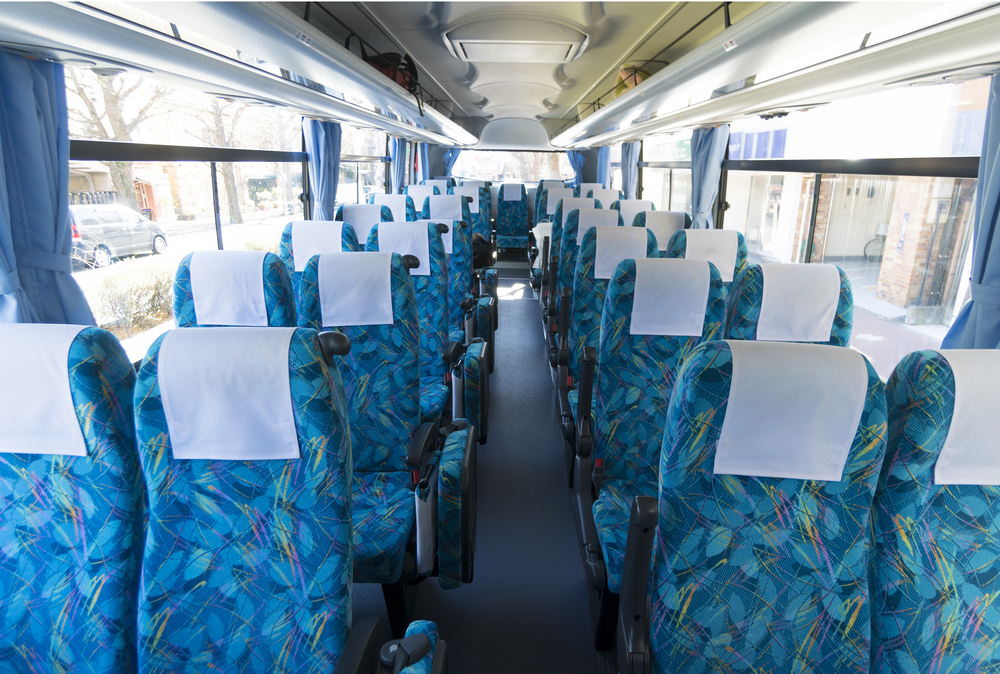
Comfort and onboard amenities vary by bus company and seat class. Many standard buses use four seats per row. Depending on the operator and vehicle, amenities may include power outlets or USB ports, while premium services can offer wider reclining seats, curtains, or more private layouts.
Overnight buses can also save the cost of one hotel night, though they’re best suited to travelers who don’t mind sleeping on the go.
Major Highway Bus Operators in Japan
Several highway bus operators offer services between Tokyo and Kyoto. Some popular tourist-friendly options include:
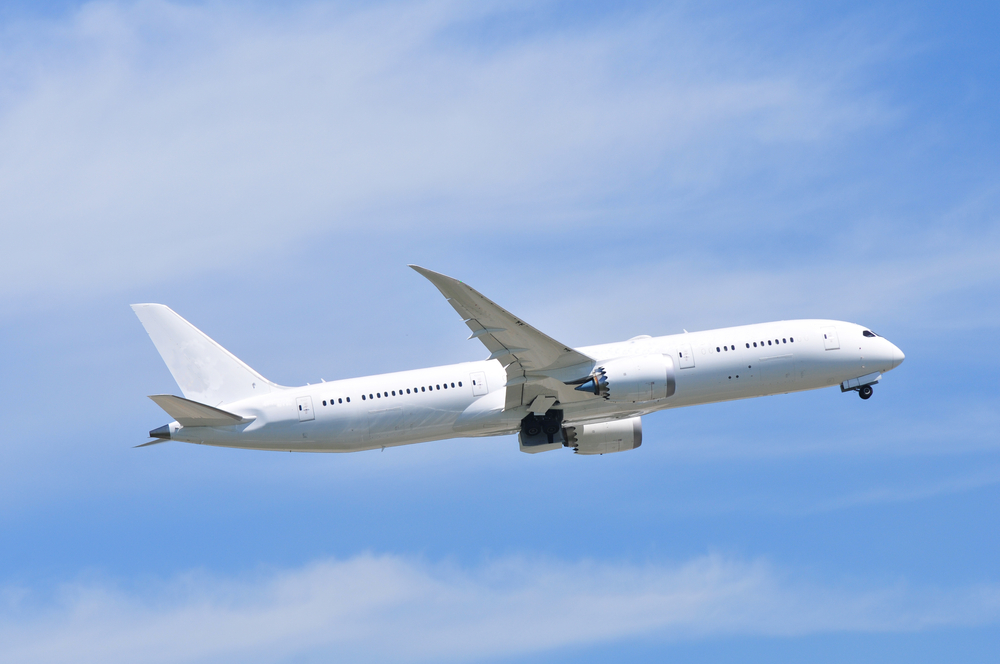
Domestic Flights: The Least Practical Option
✈ Arrive/Depart at:
airports in/near Tokyo (NRT / HND) ⇔ airports in Osaka (KIX / ITM) ⇔ Kyoto Station
⏰ Travel Time:
about 1–1.5 hr in the air; usually 4+ hr total with transfers
Kyoto does not have its own airport, so traveling between Tokyo and Kyoto by flight means using the nearest airports in the Osaka area and then continuing to Kyoto by train or bus.
Domestic flights between the Tokyo and Osaka areas typically use Haneda Airport (HND) or Narita International Airport (NRT) near Tokyo and Osaka Itami Airport (ITM) or Kansai International Airport (KIX) in the Kansai region. From the Osaka airports, the onward journey to Kyoto typically takes about 50 to 90 minutes, depending on the airport and transport option.
Once airport access in Tokyo, check-in and security, the flight itself, and the transfer from Osaka to Kyoto are included, flying is usually slower door to door than taking the Shinkansen. However, it can still make sense if your wider itinerary includes Osaka, you are connecting from another flight, or you find a fare that works especially well for your plans.
How to Travel Between Airports in Osaka and Kyoto
- Osaka Itami Airport ⇔ Kyoto Station
The most straightforward option is the Airport Limousine Bus, which runs directly between Osaka Itami Airport and Kyoto Station with no transfers required. The journey takes around 50 minutes, though travel time may vary depending on traffic. - Kansai International Airport ⇔ Kyoto Station
From KIX to Kyoto city center, the JR Kansai-Airport Express HARUKA is the easiest way to get between Kansai International Airport and Kyoto Station. The train runs directly from Kansai-airport Station, next to Terminal 1, to Kyoto Station in about 75 minutes. Those who prefer a direct bus can take the Airport Limousine Bus, which takes roughly 90 minutes between Terminal 1 and Kyoto Station.
Tokyo to Kyoto Travel: Key Takeaways
For most travelers, the Shinkansen is the easiest and most convenient way to get between Tokyo and Kyoto — fast journey times, frequent departures, and direct access to city-center stations make it a hard option to beat. That said, the best choice ultimately comes down to budget, schedule, and travel style:
- Go with the Shinkansen for speed and convenience.
- Take a highway or overnight bus to save money.
- Only consider a domestic flight if it fits a broader itinerary.
Whichever option you choose, planning where to stay at both ends of the journey can make traveling between the two cities much smoother. If Tokyo and Kyoto are both part of your Japan itinerary, choosing accommodation with convenient access to major transport hubs can help you spend less time in transit and more time exploring.
HOTEL TAVINOS: A Convenient Base for Tokyo–Kyoto Travelers
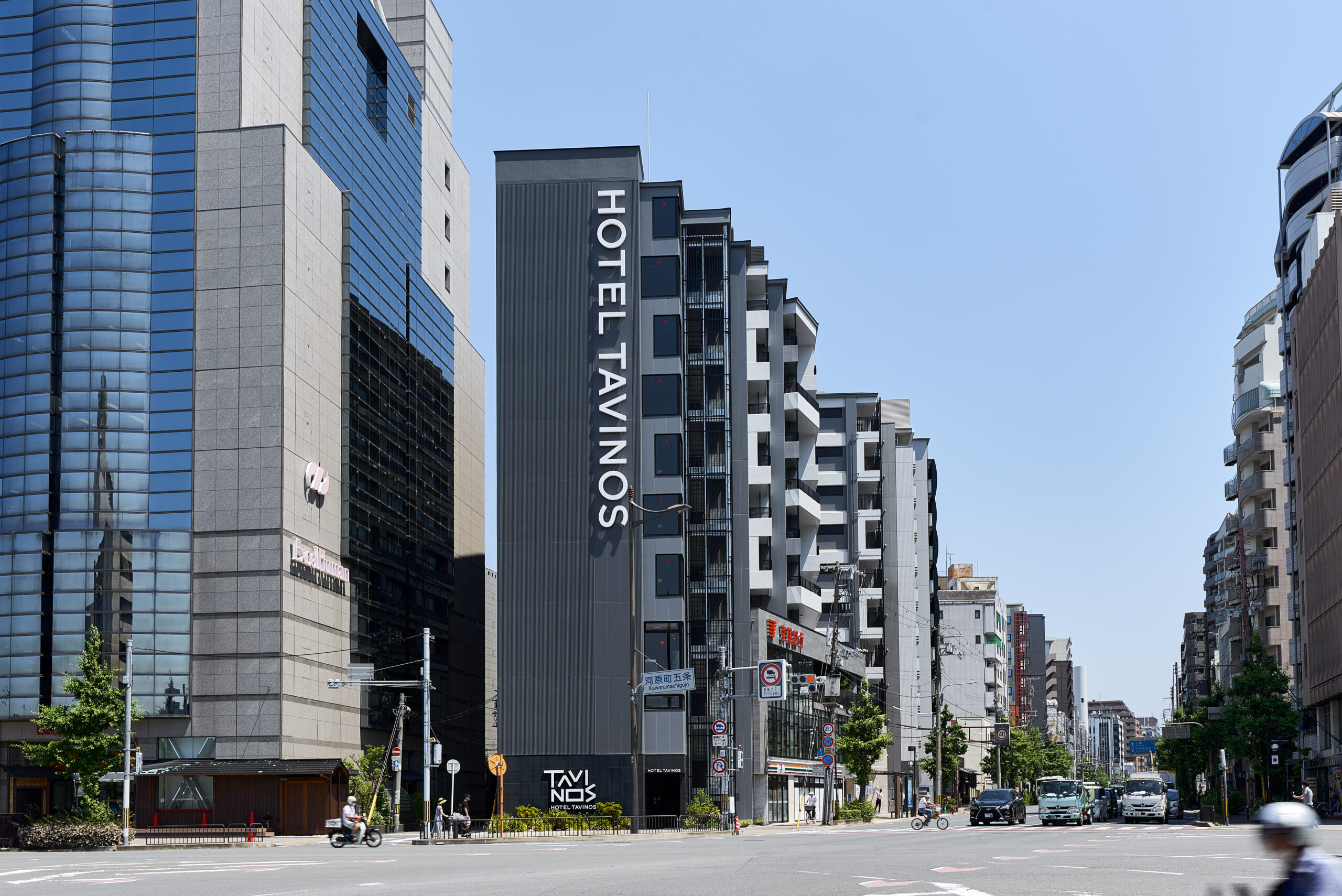
With two locations in Tokyo and one in central Kyoto, HOTEL TAVINOS offers practical bases for visitors combining the two cities in one trip.
In Tokyo, HOTEL TAVINOS Hamamatsucho is about 10 minutes by train from major Shinkansen stations such as Tokyo and Shinagawa and is also well connected to Haneda Airport via the Tokyo Monorail. In Kyoto, HOTEL TAVINOS Kyoto is a 3-minute walk from Kiyomizu-Gojo Station and a 7-minute walk from Gojo Station, placing guests within easy reach of areas such as Gion, Kawaramachi, and Higashiyama.
If Tokyo and Kyoto are both on your Japan itinerary, HOTEL TAVINOS can help you stay close to the action at both ends of the trip. Check availability and plan the combination that works best for your route.