
Blog
Healthy and Delicious! Try the Kyo Tofu When You Visit Kyoto
Content
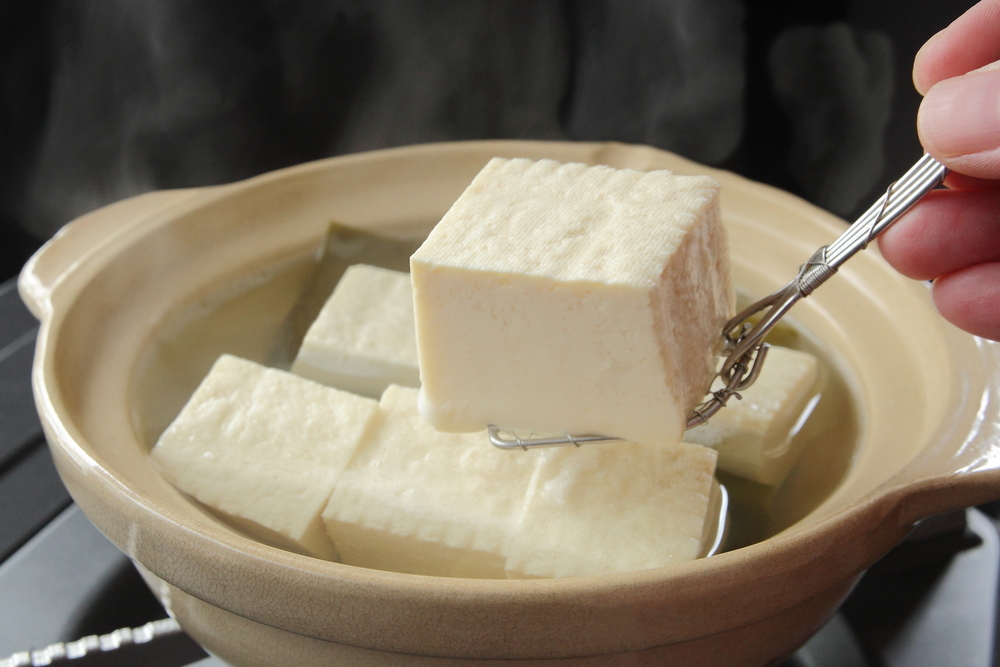
When it comes to what to eat in Kyoto, matcha sweets, shojin ryori Buddhist vegetarian cuisine, and riverside kawayuka/kawadoko dining often steal the spotlight—but the city’s tofu scene deserves just as much attention. Whether it’s yudofu—warm tofu simmered in kombu kelp broth—or more creative preparations, tofu in Kyoto is an experience in itself. For first-time visitors and tofu enthusiasts alike, seeking out a proper kyo-tofu (or kyo-dofu), “Kyoto tofu,” meal is one of the most authentic ways to taste the city’s culinary soul. Here’s everything you need to know about Kyoto’s tofu culture and some of the best tofu restaurants worth visiting.
What is Kyo-tofu? The Secrets of Kyoto’s High-Quality Tofu
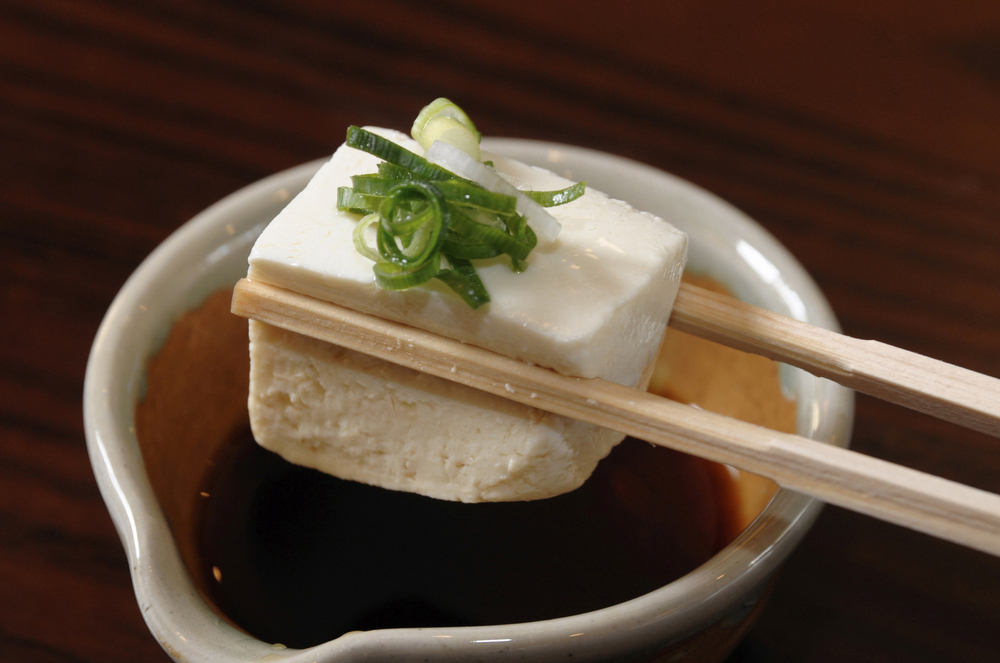
Kyoto has been perfecting the art of tofu-making for centuries, and the city’s tofu culture runs deeper than most visitors realize. The secret lies in geography and tradition. Kyoto sits atop a basin rich with underground spring water—soft, low in iron, and remarkably pure. This natural advantage has made the city famous not just for tofu, but for sake and Japanese wagashi sweets as well, all of which depend on high-quality water to achieve their delicate flavors.
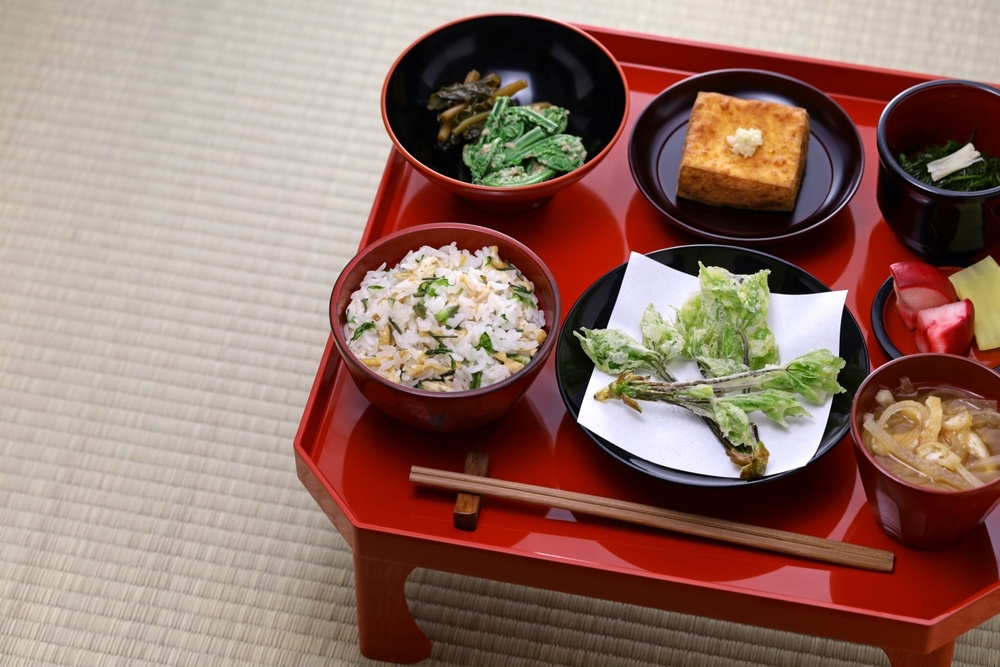
But tofu, in particular, became inseparable from Kyoto’s identity thanks to the city’s deep ties to Zen Buddhism. Buddhist monks started adopting it as a vital protein source for shojin ryori, the meatless temple cuisine central to their practice during the Kamakura and Muromachi periods. Over time, Kyoto’s craftsmen refined their techniques, using the region’s soft spring water to produce tofu with an exceptionally smooth, silky texture and a subtle natural sweetness. This style became so distinct that it earned its own name: kyo-tofu.
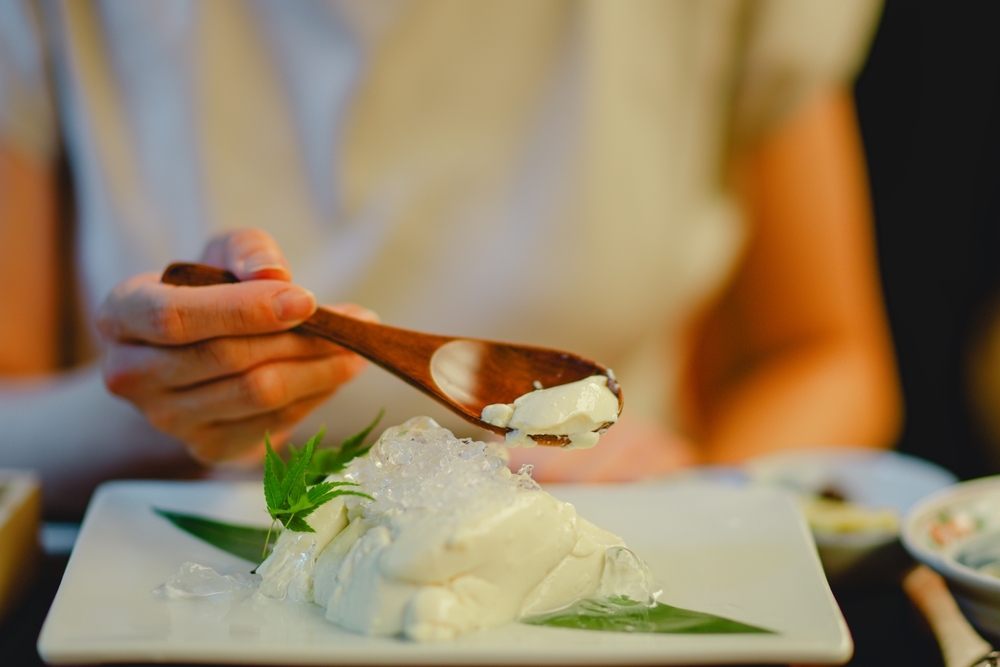
Unlike the firmer momen (cotton) tofu found elsewhere, kyo-tofu is delicate and creamy, with a melt-in-your-mouth quality that makes it ideal for yudofu and other minimalist preparations. For first-time visitors, tasting kyo-tofu is more than just a meal—it’s a window into centuries of craftsmanship, water, and quiet devotion to flavor.
How to Enjoy Kyoto’s Tofu Dishes: Yudofu, Tofu Dengaku & Yuba
Thanks to its high nutritional value and versatility, tofu appears in countless forms across Japanese meals. Here are some of Kyoto’s most beloved tofu dishes:
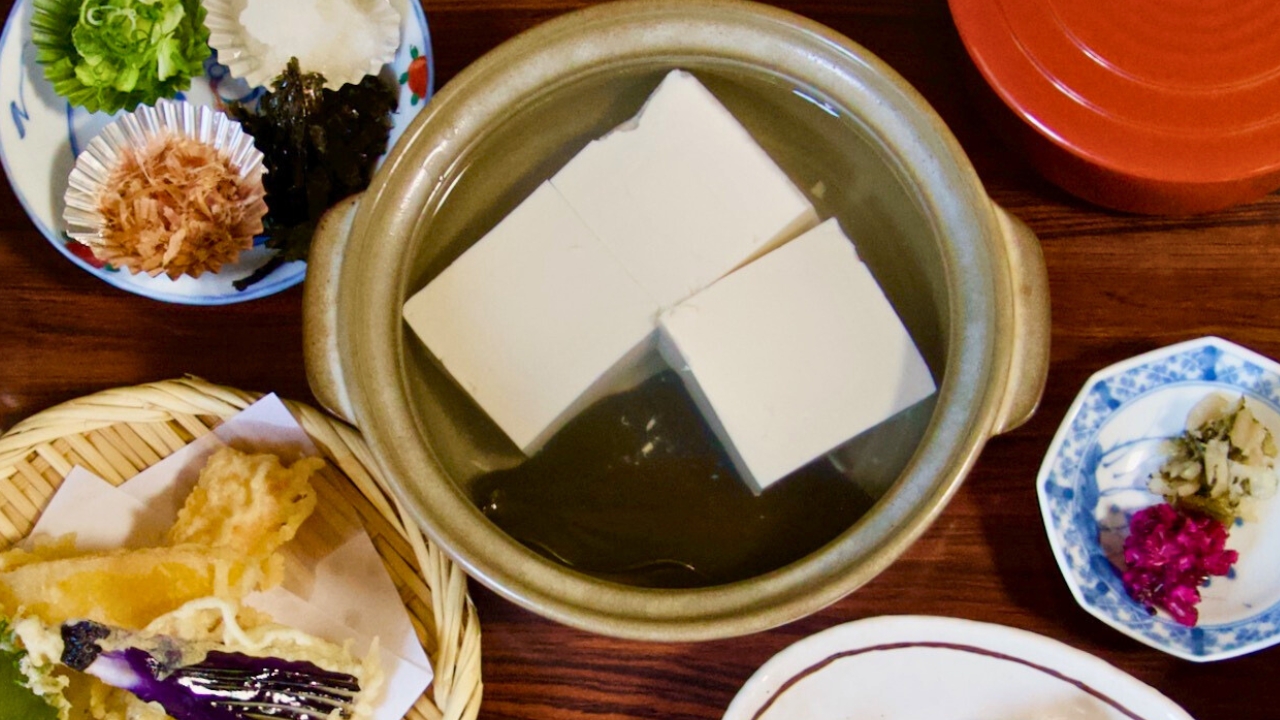
Yudofu – The purest way to experience kyo-tofu. Small blocks of silken tofu are gently simmered in a mild kelp broth until warmed through, then lifted out and dipped in soy sauce or tangy ponzu citrus sauce. Toppings like sliced green onions, grated daikon radish, and shichimi spice add layers of flavor without overwhelming the tofu’s natural sweetness.
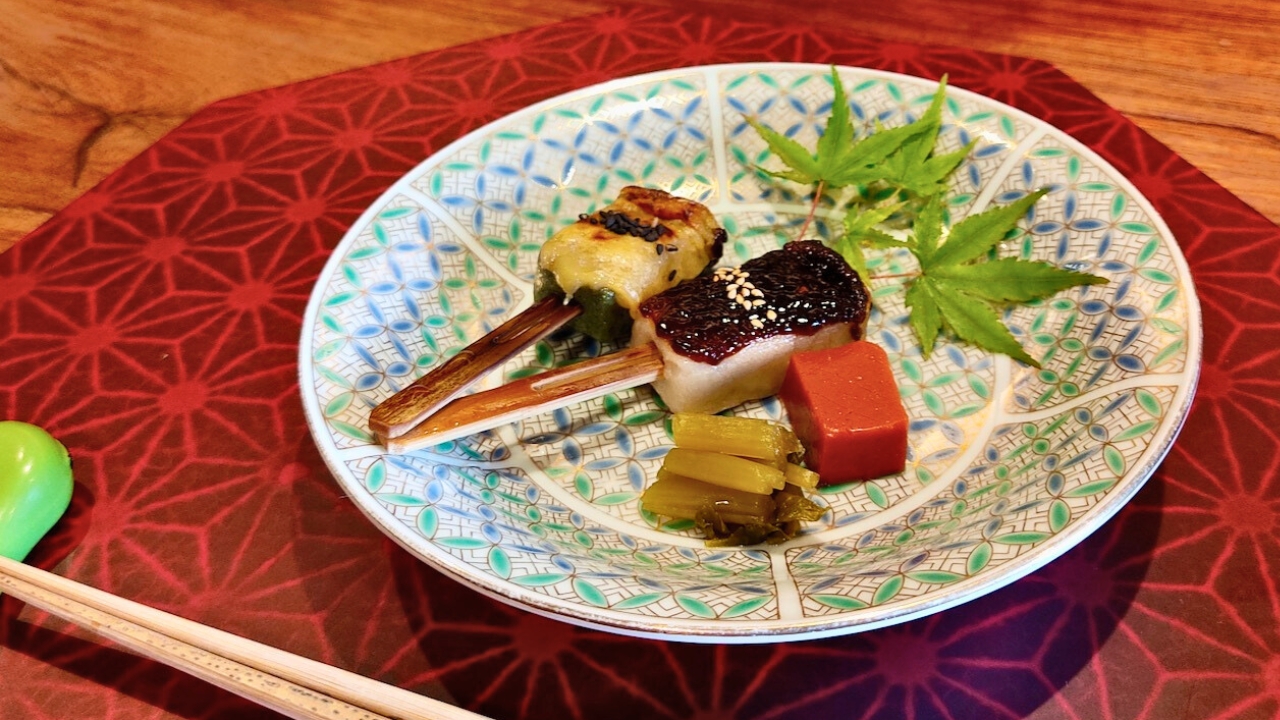
Tofu Dengaku – Grilled tofu with attitude. Firm rectangular pieces are skewered, lightly charred over an open flame, then glazed with a rich, sweet miso sauce. The contrast between the crispy exterior and creamy interior makes this dish a satisfying treat, often served as an appetizer or side.
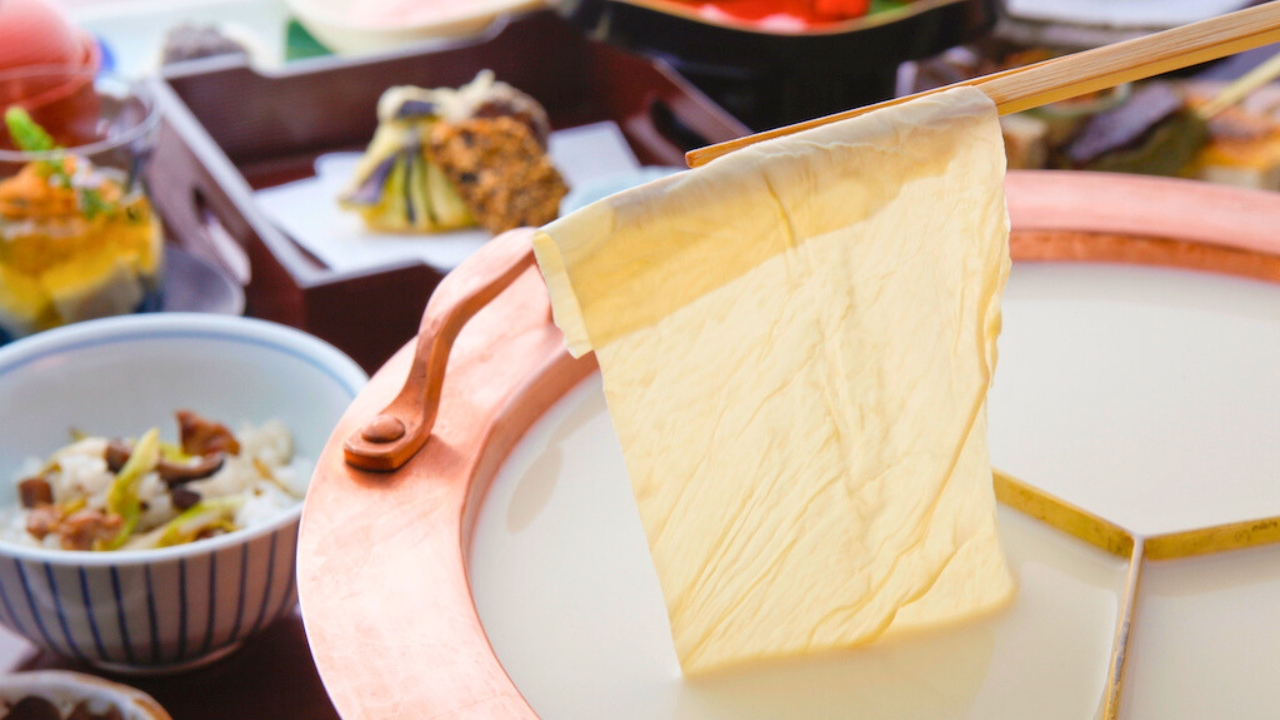
Yuba – Often called “tofu skin,” yuba is made by heating soy milk and carefully lifting off the delicate film that forms on the surface. The result is a smooth, almost creamy sheet of concentrated soy flavor. In Kyoto, yuba is enjoyed fresh as sashimi, simmered in clear broths, or fried until golden and crispy.
Best Tofu Restaurants to Visit in Kyoto
With such a strong tofu tradition, Kyoto is home to countless restaurants specializing in the delicacy, from century-old establishments to modern interpretations in the city center. For visitors looking to experience kyo-tofu at its finest, a few standouts offer distinctly different approaches. TOUSUIRO brings tofu kaiseki and yuba dishes to life at its Gion and Kiyamachi locations. Yudofu Takemura serves course menus built around the famed cotton tofu in the scenic Arashiyama area. Meanwhile, Nanzenji Junsei pairs tofu hot pots with refined Kyoto side dishes in a tranquil setting housed within a National Tangible Cultural Property.
Each restaurant offers its own window into kyo-tofu culture, whether through coursed refinement, riverside ambiance, or historic charm.
TOUSUIRO
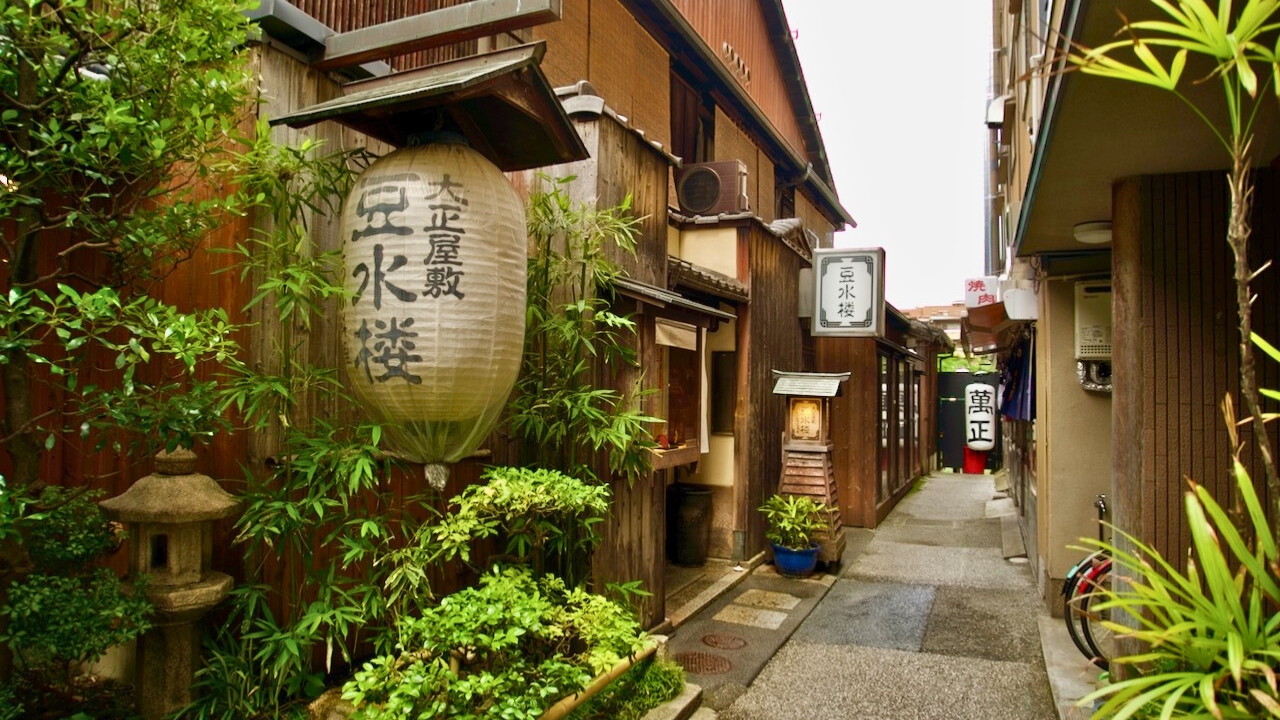
TOUSUIRO operates two locations, each with its own charm. The Kiyamachi branch offers riverside dining along the Kamo-gawa River, with outdoor kawayuka waterfront seating available from early-May to late-September. The Gion location, meanwhile, occupies a refurbished sake warehouse, lending a historic ambiance to every meal.
Originally a yudofu specialist, TOUSUIRO has evolved into a fine-dining destination that elevates tofu and soy-based ingredients to an art form. Every course on the menu incorporates some form of tofu or soy—even the tempura batter swaps out egg for soy milk, creating a remarkably light and crispy coating that’s become a signature of the restaurant’s inventive approach.
While reservations are recommended, especially during peak seasons, walk-ins are welcome depending on availability. The Gion location also caters to gluten-free diners, offering both vegetarian and non-vegetarian options. For those requiring a non-vegetarian gluten-free meal, it’s best to book at least three days in advance to ensure the kitchen can accommodate your needs.
TOUSUIRO
| Kiyamachi Restaurant | Gion Restaurant | |
| Address | 517-3, Kamiosakamachi, Sanjo Agaru Kiyamachi St, Nakagyo-Ku, Kyoto-Shi | 38-1, Bishamonten-Cho, 4 Matsubara-Agaru, Higashioji, Higashiyama-Ku, Kyoto-Shi |
| Hours | Mon – Sat: 11:30 am – 3:00 pm, 5:00 pm – 10:00 pm Sun & Holidays: 11:45 am – 3:00 pm, 5:00 pm – 9:30 pm | Mon – Sat: 11:30 am – 3:00 pm, 5:00 pm – 9:00 pm Sun & Holidays: 11:30 am – 3:00 pm, 5:00 pm – 9:00 pm |
| Closed | Year end, new year holidays, “kawayuka” periods | Open year-round |
| Access | 5-minute walk from Kyoto Municipal Subway Kyoto-shiyakushomae Station | 15-minute walk from Keihan Railway Gion Shijo Station |
Website: https://tousuiro.com/en-home
Yudofu Takemura
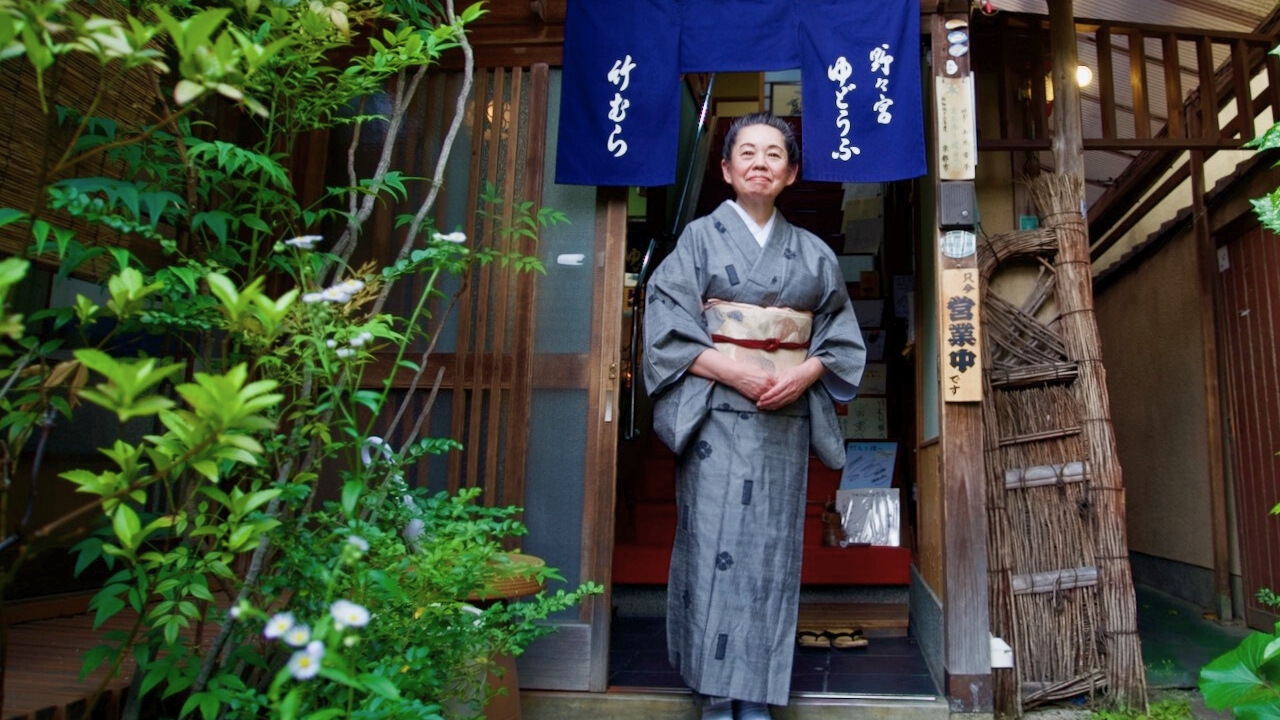
Yudofu Takemura sits in Arashiyama, just steps from the entrance to the famous bamboo grove, making it an ideal stop during a day of sightseeing. This family-run restaurant has been perfecting its craft for three generations, with recipes handed down from chef to chef. The signature yudofu is prepared with meticulous care: tofu is gently simmered at your table in a delicate broth, timed to achieve the perfect silken texture. Both the lightly flavored soup and the house-made dipping sauce are crafted from premium ingredients sourced across Japan, reflecting the restaurant’s commitment to quality.
Yudofu Takemura
Address: 48-7 Saga-tenryuji Kitatsukurimichi-cho, Ukyo-ku, Kyoto-shi, Kyoto
Hours: 11:00 am – 7:30 pm
Closed: Thursdays
Access: 3-minute walk from Keifuku Electric Railroad Arashiyama Station
Website: https://www.yudouhutakemura.com
Nanzenji Junsei
Nanzenji Junsei sits just outside the grounds of Nanzen-ji Temple, occupying the Junsei Sho-in—a nationally registered tangible cultural property surrounded by a traditional Japanese garden.
Known for its classic yudofu course menus and refined kaiseki offerings, Nanzenji Junsei has been serving temple-district cuisines for generations. The multi-course sets pair yudofu with an array of Kyoto-style accompaniments including delicate seasonal vegetables, simmered specialties, and light tempura that changes with the seasons. True to its reputation, the restaurant places strong emphasis on omotenashi hospitality, welcoming guests with attentive service and a tranquil atmosphere that quietly honors centuries of tofu culture and Kyoto culinary tradition.
Nanzenji Junsei
Address: 60 Nanzenji Kusakawacho, Sakyo-ku, Kyoto-shi, Kyoto
Hours: 11:00 am – 9:30 pm
Closed: Irregular
Access: 5-minute walk from Kyoto Municipal Subway Keage Station
Website: http://www.to-fu.co.jp/en/
Instagram: https://www.instagram.com/yudo_fu_junsei/
Why HOTEL TAVINOS Kyoto is Your Perfect Kyoto Base
Experiencing Kyoto’s tofu culture is easier when you’re staying in the right spot. HOTEL TAVINOS Kyoto sits in the Kawaramachi area, the heart of downtown Kyoto, putting you within easy reach of the city’s best tofu restaurants and major sightseeing destinations. Whether you’re heading to Gion, Higashiyama or Arashiyama, everything connects smoothly from here via convenient public transport. After a day of exploring the ancient capital, you’ll appreciate returning to a central home base where Kyoto’s culinary and cultural highlights are never more than a short trip away.
Writer
Maisie McPherson
Originally from the United States, Maisie has called the Kansai region of Japan home for nearly two decades. She enjoys seeking out the charms of life in Japan and sharing that information with visitors from overseas. She also loves marveling at retro architecture and design from the Showa period, exploring Japanese gardens, and is always up for a night out in a lively izakaya.