
Blog
Best Things to Do in Kyoto: What to See, Where to Visit, and What to Eat
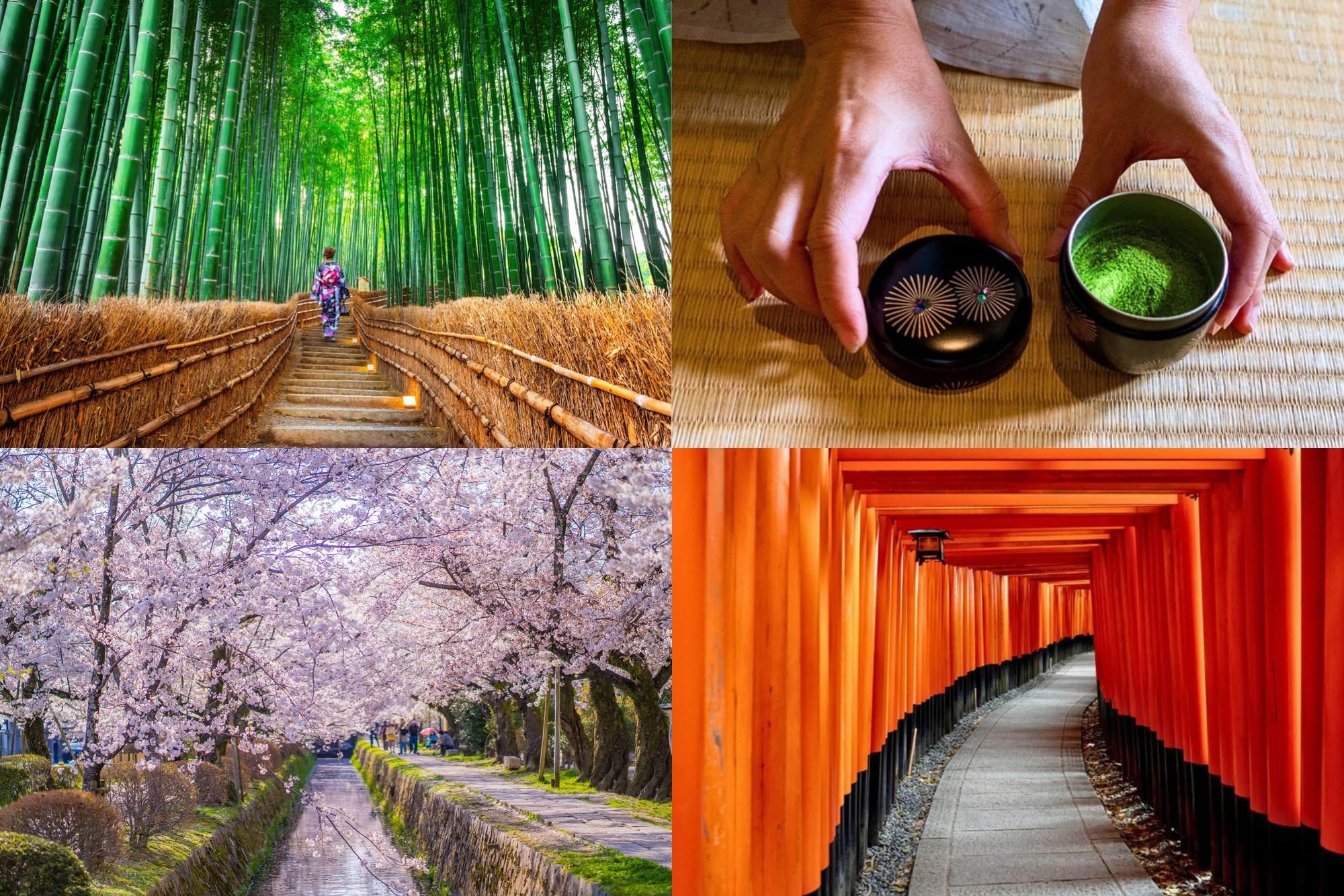
Kyoto, Japan’s ancient capital, is one of the best destinations in Japan for visitors who want to experience temples, shrines, traditional streets, seasonal scenery, and refined local food culture in one city. If you are wondering what to do in Kyoto, this guide introduces the best things to see, visit, and eat in Kyoto, along with suggested itineraries for half-day, full-day, culture-focused, and nature-focused trips. It also explains why staying in central Kyoto, especially around Kawaramachi, makes it easier to explore the city’s highlights with less travel time.
Content
What is Kyoto Known for?
Kyoto is known for its historic temples and shrines, traditional machiya wooden townhouses, geiko and maiko culture, matcha tea traditions, and refined local cuisine. As Japan’s former imperial capital until the late 19th century, the city preserves some of the country’s most iconic cultural experiences — from Zen gardens and tea ceremonies to lantern-lit alleyways and Buddhist shojin ryori vegetarian cuisine.
For travelers, Kyoto’s appeal goes well beyond sightseeing. Walking through centuries-old shrine paths, taking in traditional performing arts, and tasting dishes shaped by local water, seasonal ingredients, and temple culture all make for a visit that feels genuinely immersive.
How Many Days Do You Need in Kyoto?
Four to five days is ideal for most first-time visitors. However, even a two-day or three-day visit can be rewarding if you focus on nearby areas such as Fushimi Inari, Gion, Pontocho, and Kawaramachi.
What to See in Kyoto: Must-See Kyoto Attractions and Places to Visit
Kyoto’s most memorable sights bring together history, culture, and nature in a way few cities can match. For first-time visitors wondering where to start, the essentials are hard to beat: walk beneath the iconic red torii gates of Fushimi Inari Taisha, take in the natural beauty of Arashiyama, and wander the historic streets of Gion and Pontocho. From natural landscapes to centuries-old streets, these are the places that capture the classic beauty of Kyoto — and hold up across every season.
Arashiyama Bamboo Groove and Sagano Romantic Train
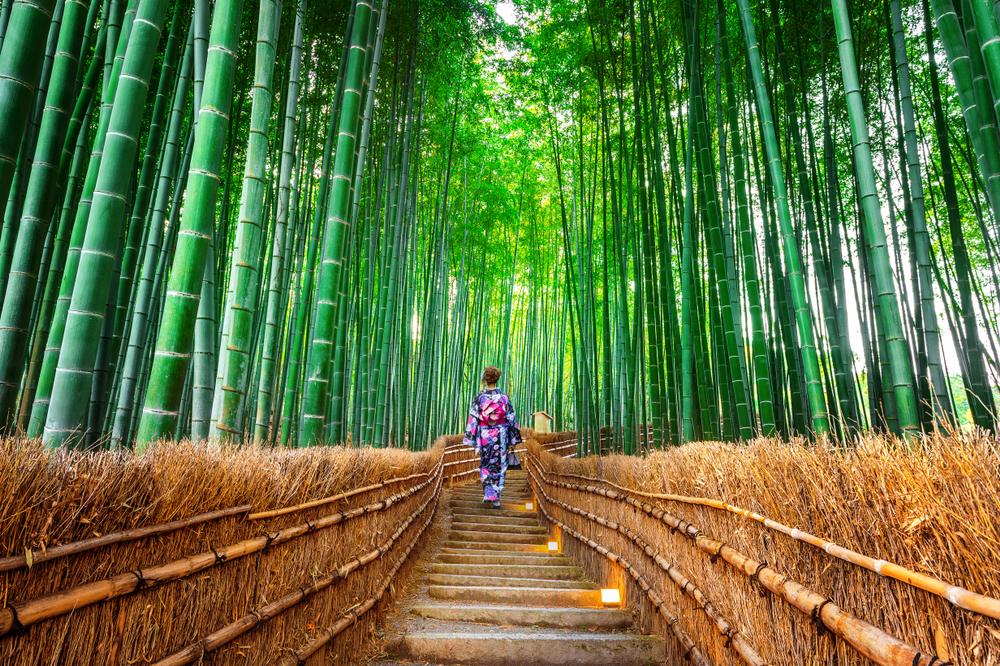
More nearby highlights:
Fushimi Inari Taisha and Senbon Torii Gates
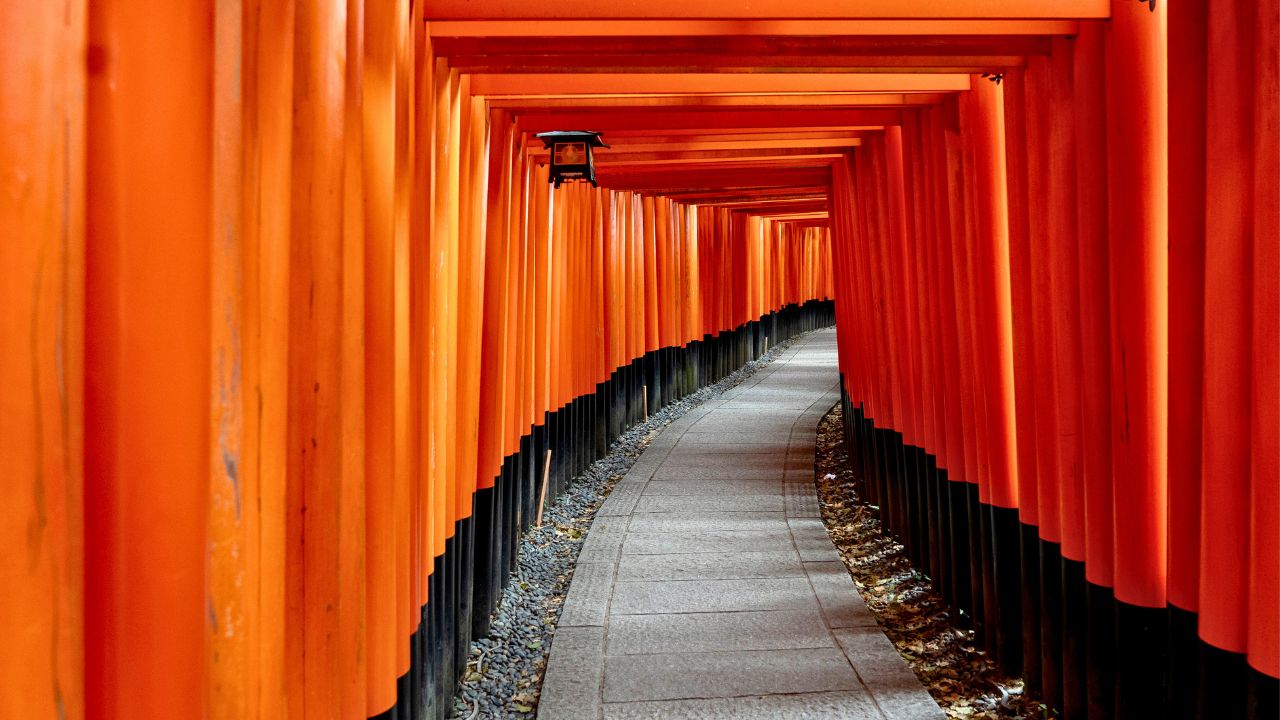
Fushimi Inari Taisha is one of Kyoto’s most iconic attractions, famous for its thousands of red torii gates that form tunnel-like paths up Mount Inari. It is also the head shrine of approximately 30,000 Inari shrines across Japan and has long been associated with prayers for agricultural and business prosperity.
The shrine is ideal for both short visits and longer hikes. Many visitors come for the famous Senbon Torii gates near the lower shrine area, while others continue up the 233-meter-high mountain for forested trails and quieter viewpoints. Since it is easy to access from Kyoto Station, Fushimi Inari is especially recommended for an early-morning visit.
Gion District, Gion Corner and Gion Kagai Art Museum
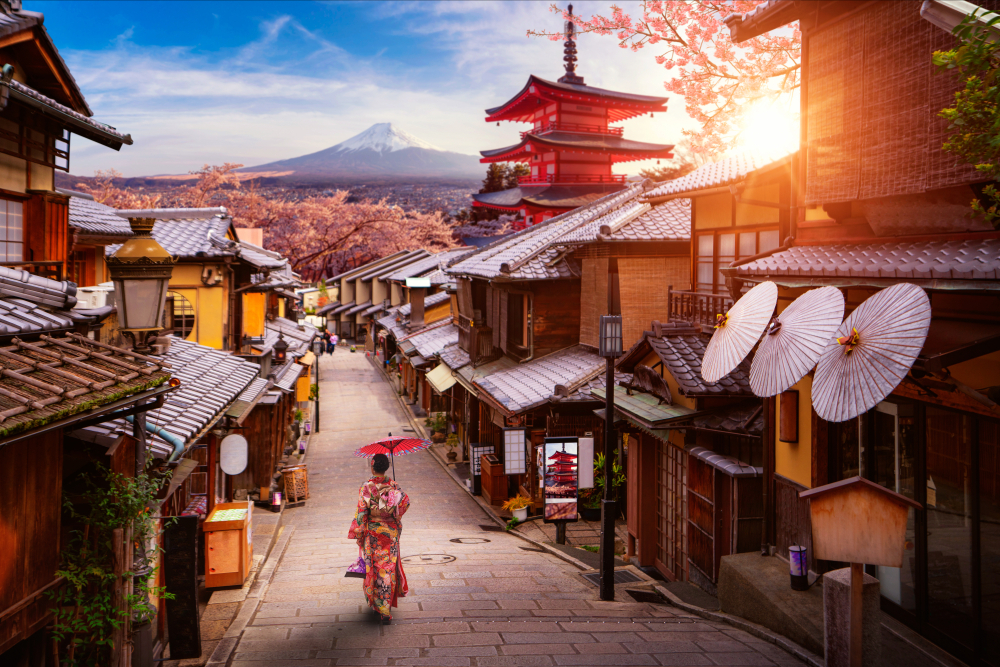
Gion is one of Kyoto’s most atmospheric historic districts, known for its cobblestone lanes, wooden machiya townhouses, geiko and maiko culture, and the Gion Festival in summer. It is one of the best places to experience the feeling of old Kyoto, especially in the early evening when lanterns begin to glow and the streets take on a quieter, more traditional mood.
For visitors who want to learn more about Kyoto’s performing arts, Gion Corner offers an accessible introduction to traditional arts such as tea ceremony, flower arrangement, music, dance, and theater. The Gion Kagai Art Museum is another useful stop for travelers interested in geiko and maiko culture.
Pontocho Alley
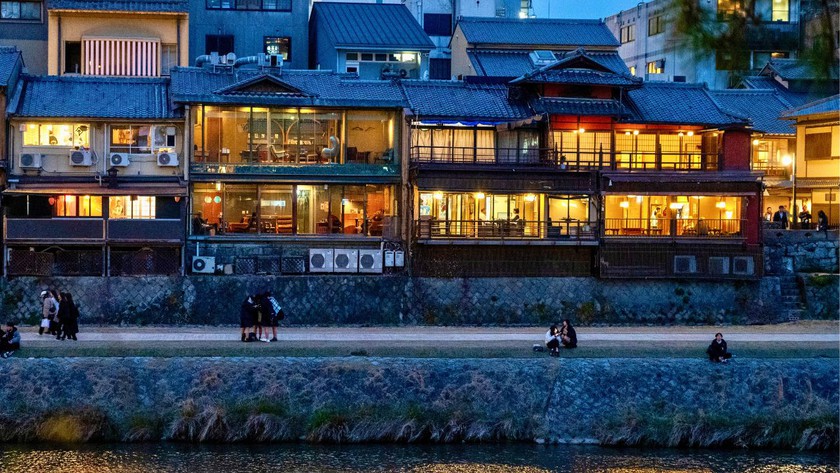
Running parallel to the Kamogawa River, Pontocho is one of Kyoto’s most famous dining and entertainment districts. The narrow alley is lined with wooden buildings, lanterns, restaurants, and bars, creating a compact but memorable Kyoto atmosphere.
By day, Pontocho is a quiet place to admire traditional facades and explore nearby streets. After sunset, it becomes a lively dining destination known for kaiseki cuisine, seasonal dishes, intimate restaurants, and summer kawayuka or kawadoko riverside terraces. Its location near Gion and Kawaramachi also makes it easy to include in an evening itinerary.
Philosopher’s Path
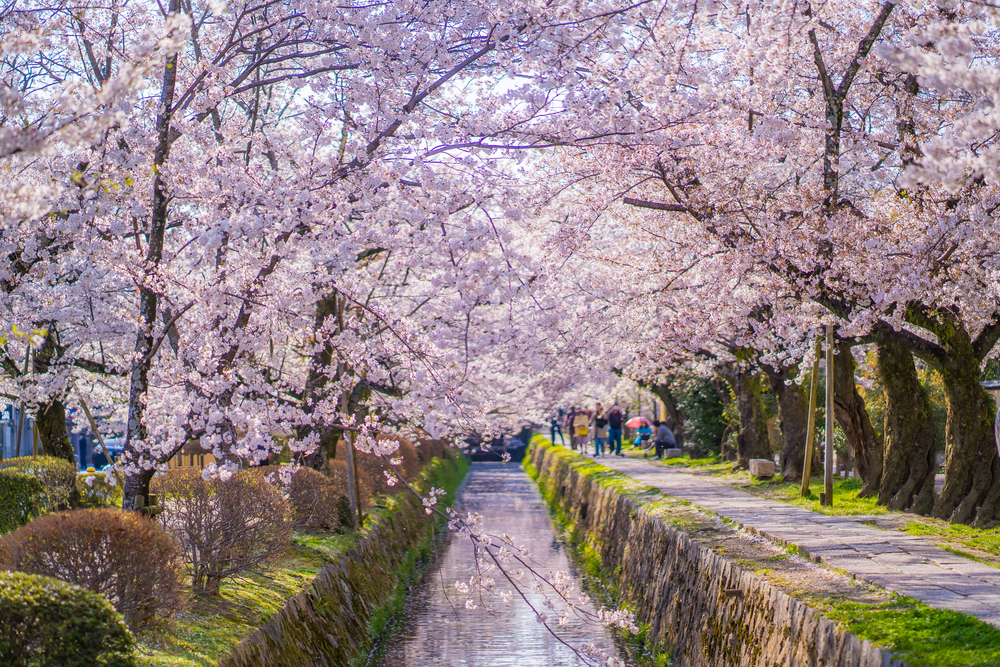
The Philosopher’s Path is a peaceful 2-kilometer stone walkway that follows a canal between Ginkaku-ji Temple and the Nanzen-ji Temple area. It is especially famous for cherry blossoms in spring and colorful leaves in autumn, but its quiet cafés, small shops, and nearby temples make it enjoyable throughout the year.
Named after Kyoto University philosopher Nishida Kitaro, the path is ideal for slow travel. It is not a place to rush through, but a place to enjoy Kyoto’s quieter side at your own pace.
What to Do in Kyoto: Best Cultural Experiences and Activities in Kyoto
Kyoto is not only a city to look at; it is a city to experience. Visitors can join hands-on cultural activities, try traditional practices, and explore museums that bring Japanese history, art, and pop culture to life.
Matcha Tea Ceremony Experience
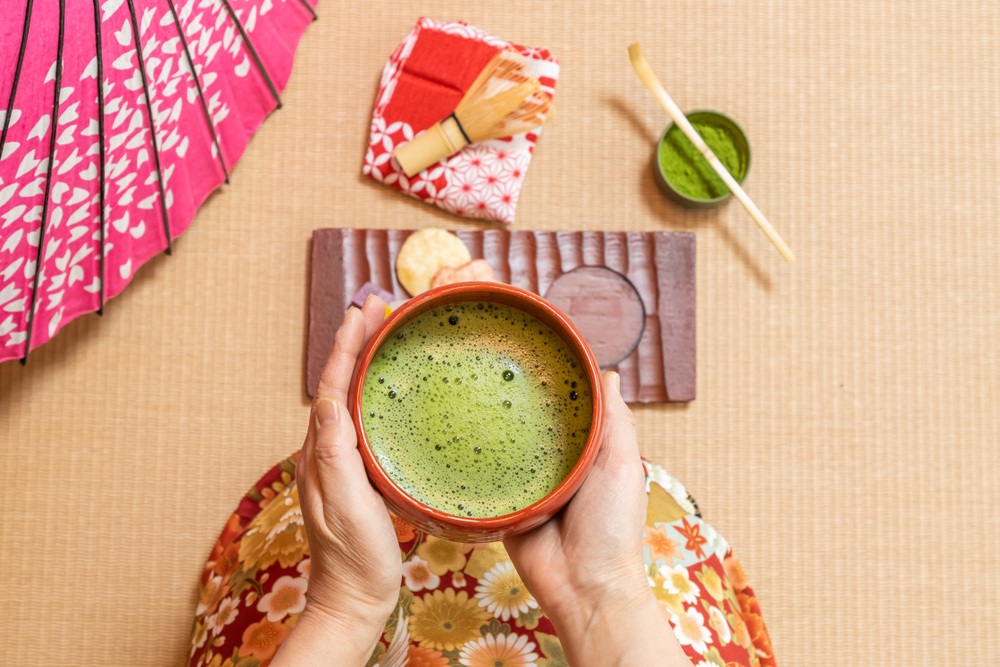
A matcha tea ceremony is one of the best cultural experiences in Kyoto for first-time visitors. During a hands-on workshop, you can learn how to whisk matcha, enjoy seasonal sweets, and understand the careful movements and hospitality behind Japanese tea culture.
Venues such as Camellia Tea Ceremony, AN KYOTO Japanese Culture Experience, and Kimono Tea Ceremony MAIKOYA offer traveler-friendly sessions. Some experiences also include kimono rental, making them a good choice for visitors who want a memorable and photo-friendly cultural activity.
Kimono Experience at Kyoto Kimono Rental wargo
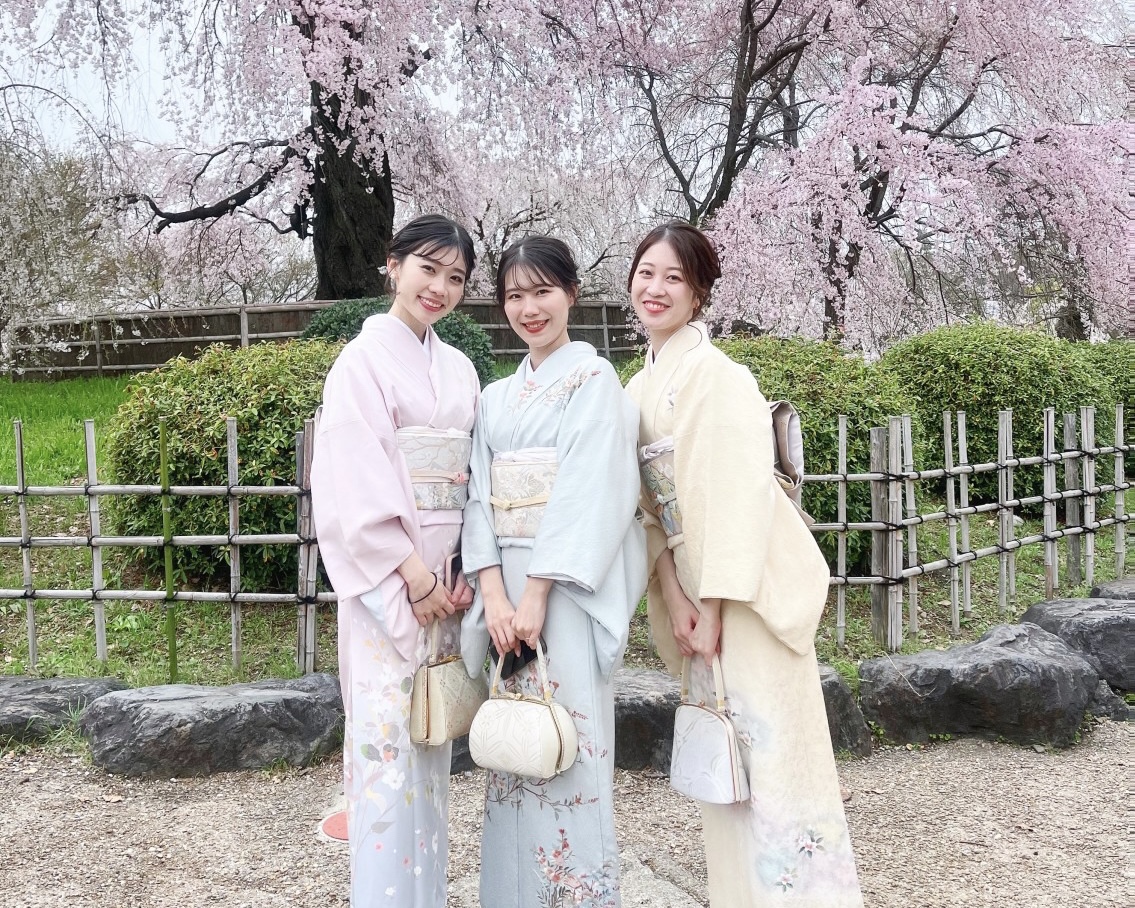
Wearing a kimono is one of the most memorable cultural experiences for travelers visiting Kyoto. With rental shops located near major sightseeing areas, visitors can choose a beautifully coordinated outfit and explore traditional streets, temples, and shrines in a style that feels closely connected to the city’s heritage.
Kyoto Kimono Rental wargo is a convenient option for first-time visitors, with stores near Kyoto Station and Gion. Its all-inclusive rental plans include the kimono, obi sash, bag, socks, sandals, and dressing assistance, making it easy to enjoy a kimono stroll without preparing anything in advance.
Sake Tasting Experience at Kyoto Insider Sake Experience

Fushimi is one of Japan’s most celebrated sake-producing districts, known for its soft spring water and long brewing history. A sake tasting experience here gives travelers a chance to learn how Japanese sake is made, how different varieties are served, and how sake pairs with food.
Kyoto Insider Sake Experience offers English-guided tours led by sake experts, making it a welcoming choice for international visitors. From casual tasting sessions to brewery tours and food pairings, it is an enjoyable way to discover a deeper side of Kyoto’s food and drink culture.
Buy Japanese Kitchen Knives at Musashi Japan and Seisuke Knife

Japanese kitchen knives are admired around the world for their sharpness, craftsmanship, and elegant design. In Kyoto, visitors can explore specialty knife shops that introduce the beauty of Japanese blades, from versatile santoku knives to gyuto chef’s knives and delicate petty knives.
Stores such as Musashi Japan and Seisuke Knife are useful stops for travelers who love cooking or want to bring home a practical, high-quality souvenir. Staff can help explain blade types, materials, and maintenance, making the experience approachable even for first-time buyers.
Zazen Meditation at Daisen-in Temple
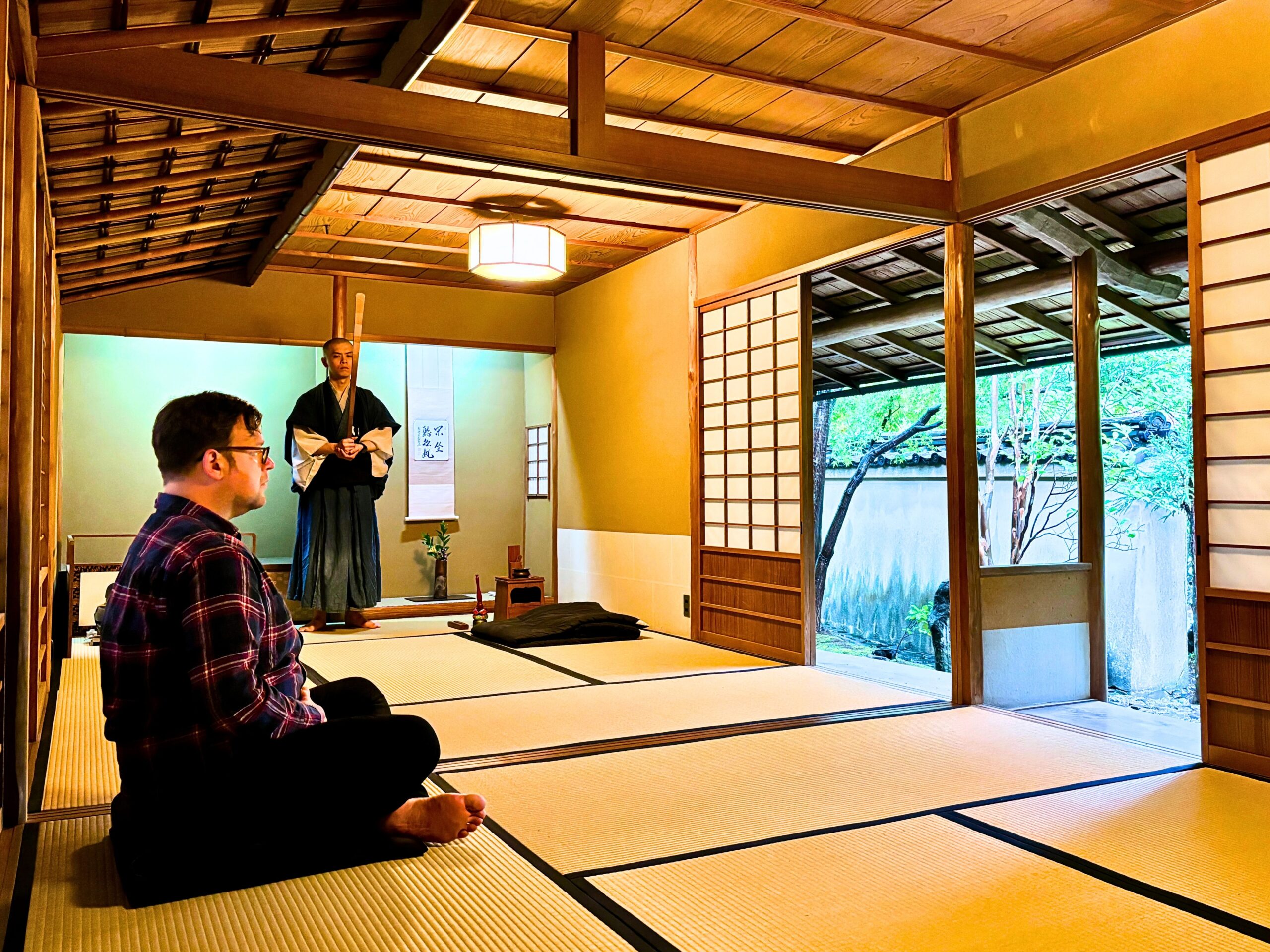
Zazen meditation offers a quieter way to experience Kyoto’s Zen culture. At temples such as Daisen-in temple, visitors can sit in stillness, learn basic posture and breathing, and spend time in a traditional dry-rock garden.
The zazen meditation is especially suitable for travelers who want to slow down between busy sightseeing stops and connect with Kyoto’s spiritual side.
Arashiyama Monkey Park
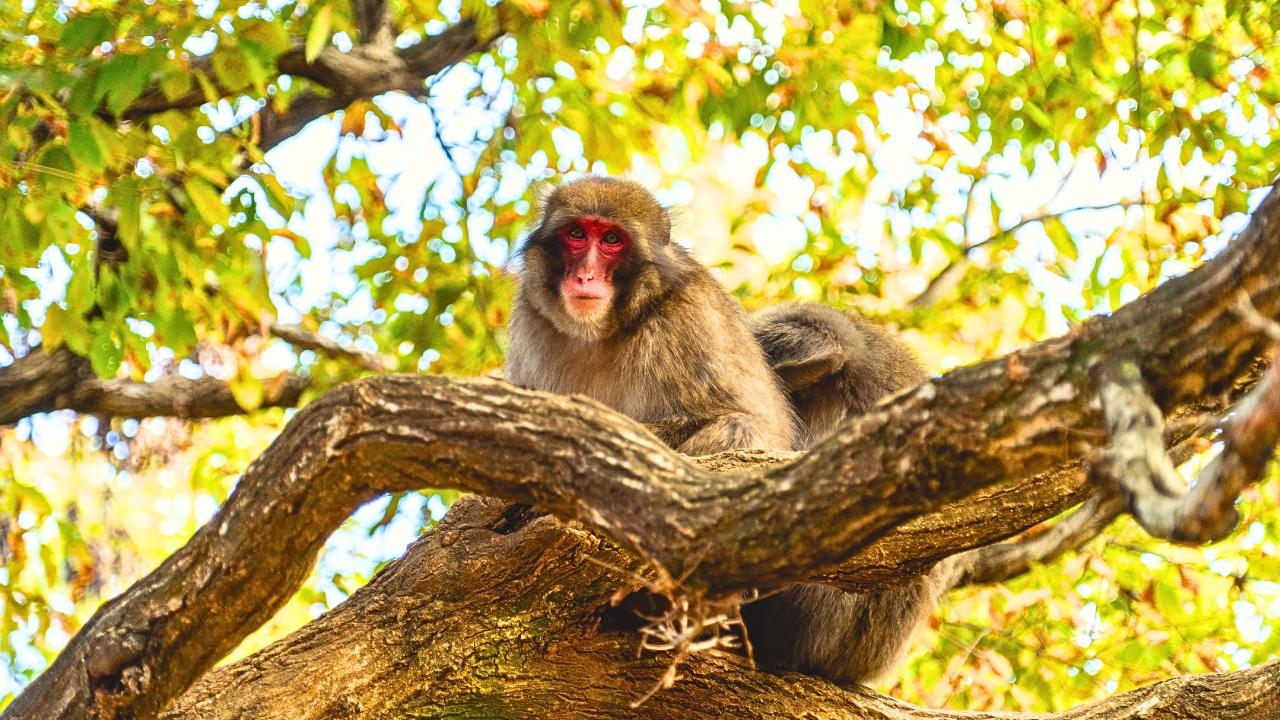
Arashiyama Monkey Park offers a fun nature experience with panoramic views of Kyoto. After a 20-minute uphill walk, visitors reach an open area where around 120 wild Japanese macaques roam freely.
The experience is especially memorable because visitors can view the monkeys up close while also enjoying city views from the mountain. Since the path involves some uphill walking, comfortable shoes are recommended.
SAMURAI NINJA MUSEUM KYOTO With Experience
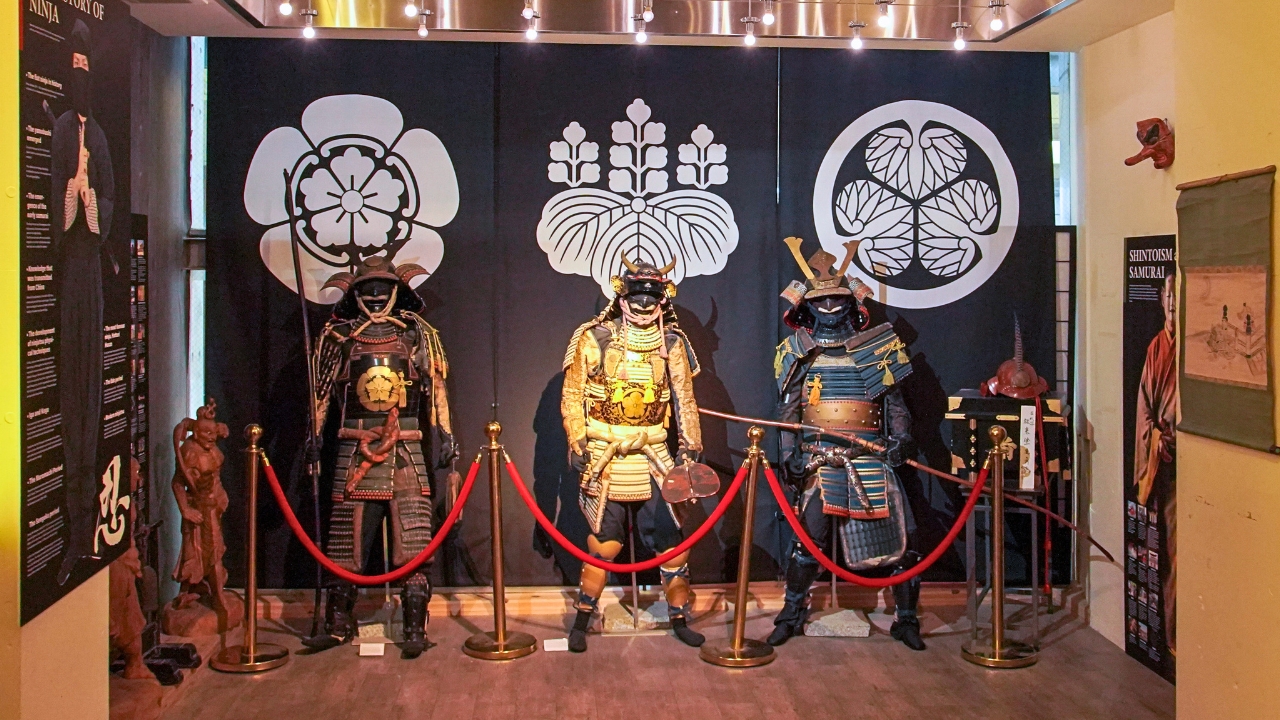
The SAMURAI NINJA MUSEUM KYOTO With Experience is an interactive museum where visitors can learn about Japan’s warrior history while enjoying hands-on activities. Guests can wear armor, pose with katana swords, and try ninja star throwing.
Because the museum is located in the Kawaramachi area, it is easy to combine with shopping, dining, or a visit to nearby Pontocho and Gion.
Kyoto International Manga Museum
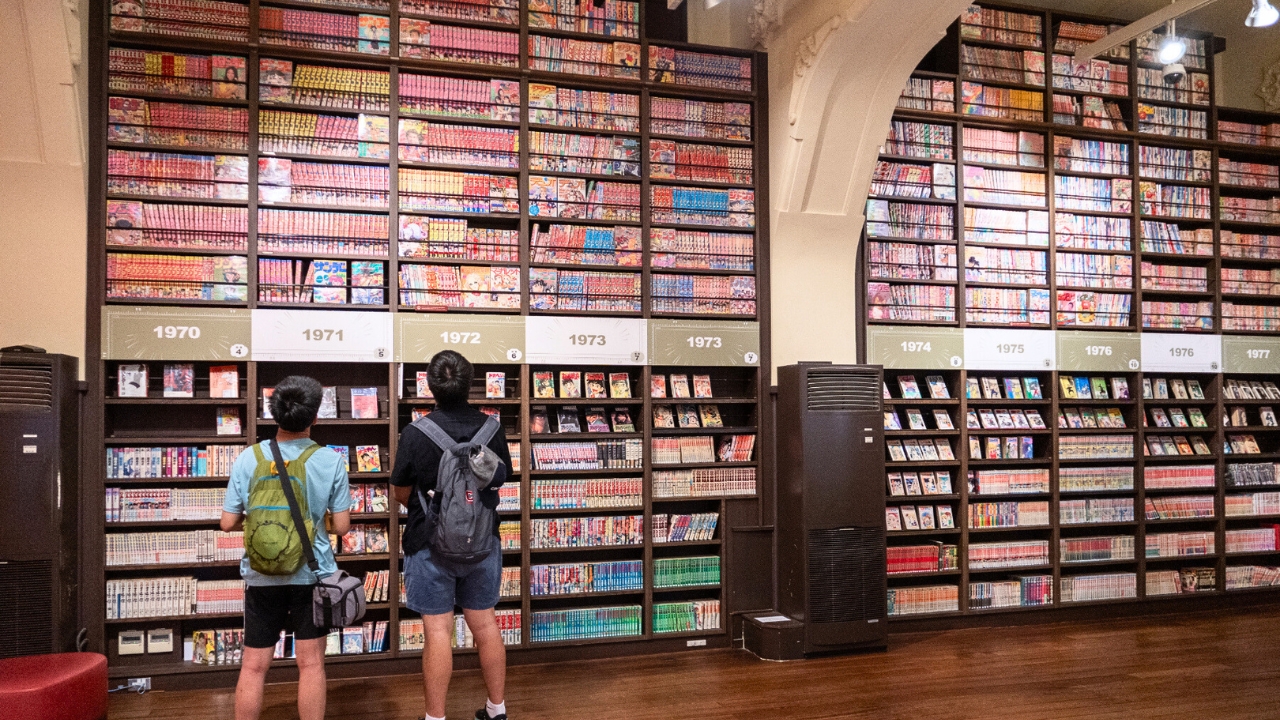
The Kyoto International Manga Museum is a must-visit for fans of Japanese comics and pop culture. Its “Wall of Manga” features tens of thousands of titles, and the museum also hosts exhibitions that introduce manga’s history and global influence.
This is a good indoor option for rainy days or for travelers who want to balance temples and shrines with modern Japanese culture.
Kyoto Railway Museum

The Kyoto Railway Museum is one of the best family-friendly attractions in Kyoto. Visitors can see steam locomotives, Shinkansen cars, and railway exhibits, as well as try interactive simulators that show how trains are operated.
It is especially recommended for families with children, train enthusiasts, or visitors looking for an indoor activity near Kyoto Station.
What to Eat in Kyoto: Local Food, Vegan Options, and Craft Beer
Kyoto’s food culture is known for seasonality, delicate flavors, and a close connection to temple culture and local ingredients. From traditional Buddhist vegetarian cuisine to tofu dishes, vegan ramen, and locally brewed craft beer, the city offers many memorable food experiences for travelers with different tastes and dietary needs.
Shojin Ryori (Buddhist Vegetarian Cuisine)
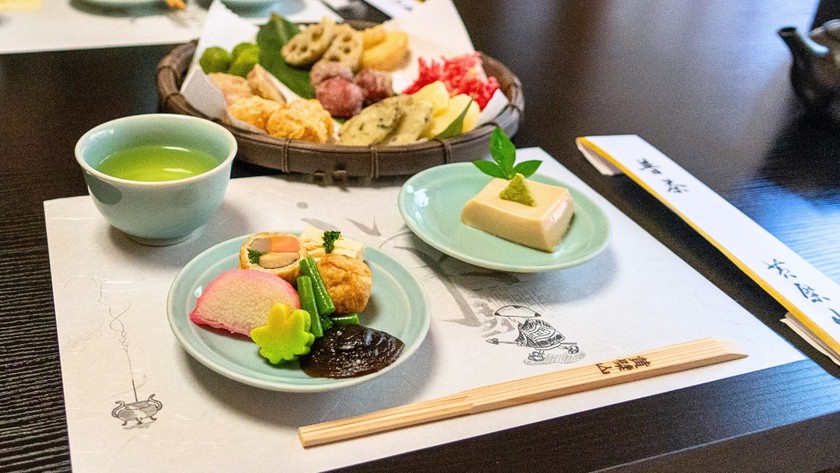
Shojin ryori is a traditional Buddhist vegetarian cuisine rooted in Zen temple culture. It uses plant-based ingredients such as tofu, seasonal vegetables, sesame, beans, and pickles, with each dish prepared to highlight natural flavor and balance.
For travelers interested in Japanese food culture, shojin ryori offers more than a meal. It is a calm, mindful dining experience that reflects Kyoto’s temple traditions.
Vegan and Gluten-free Ramen
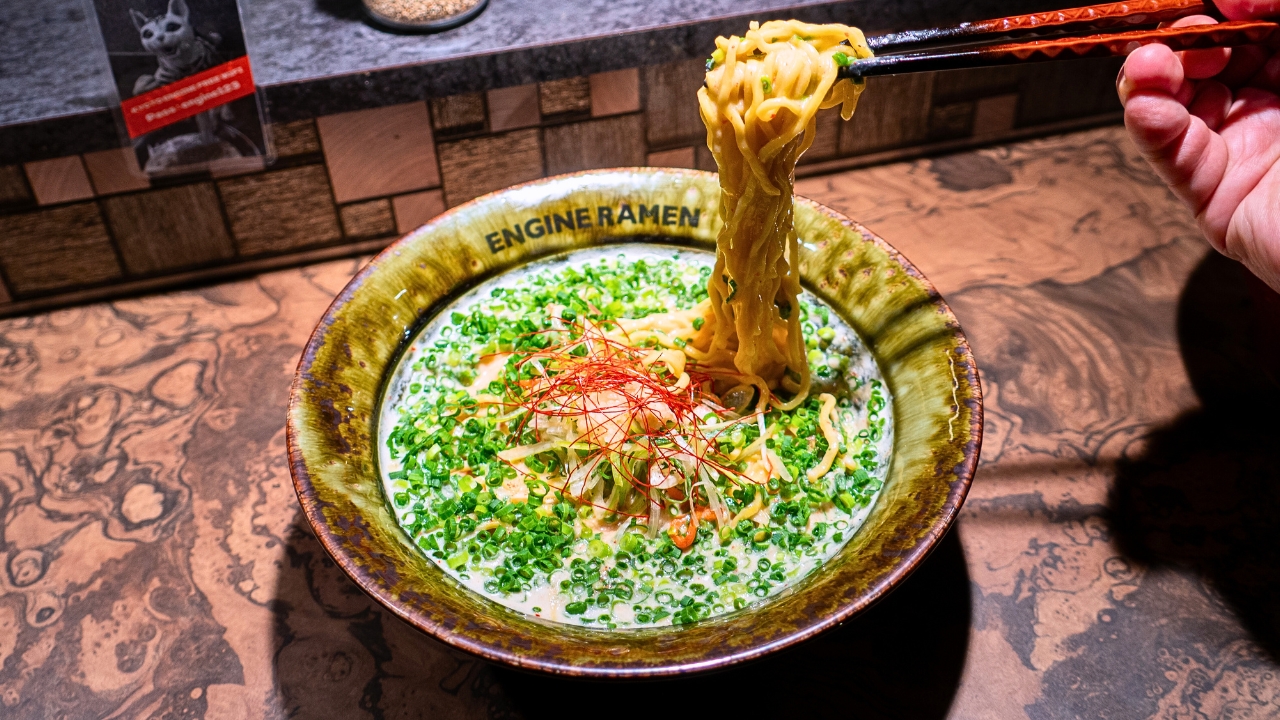
Kyoto is also a good city for travelers looking for vegan or gluten-free ramen. Several restaurants now offer rich, flavorful bowls made with vegetable-based broth, soy-based toppings, and local ingredients.
Shops such as KYOTO ENGINE RAMEN and MOON and BACK Ramen Bar Kyoto are useful options for visitors who want a modern, inclusive take on Japanese comfort food.
FUTURE TRAIN KYOTO DINER & CAFÉ

photo by Kaori Uemura
FUTURE TRAIN KYOTO DINER & CAFE is a colorful, train-themed dining experience in the Umekoji area near Kyoto Station. Built around retired JR Thunderbird train cars, the restaurant combines playful design, immersive spaces, and Kyoto-inspired diner food in a way that feels very different from the city’s temples and traditional streets.
Produced by Sebastian Masuda, a leading figure in Japan’s kawaii culture, FUTURE TRAIN is ideal for families, train fans, and travelers looking for a fun indoor stop. From the ticket-gate-style entrance to the dining cars and terrace, the space turns a casual meal into a small journey of its own.
Kyoto Tofu Cuisine
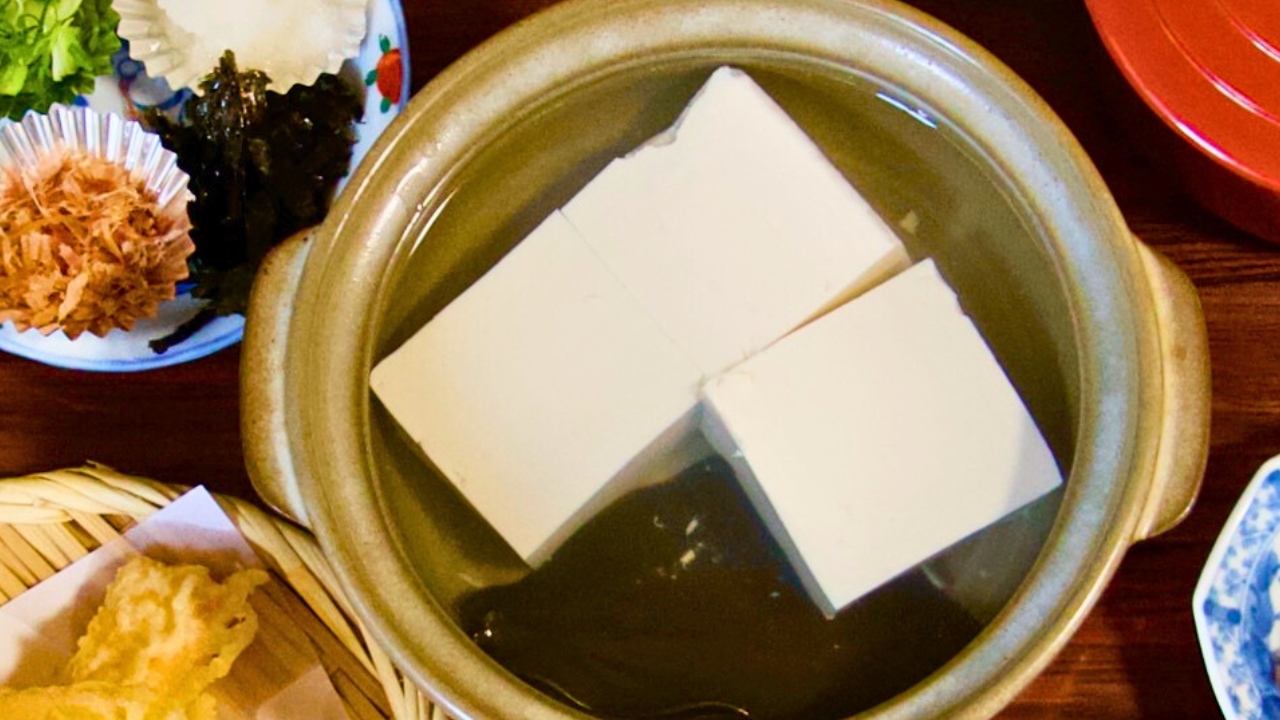
Tofu is one of Kyoto’s most representative foods. Made with clean local water and traditional techniques, Kyoto-style tofu is known for its smooth texture and delicate flavor.
Popular dishes include yudofu (small blocks of tofu boiled in kelp broth), tofu dengaku (skewered and grilled rectangular tofu pieces) or yuba (tofu skin). These dishes are especially common around temple areas and are ideal for travelers who want a lighter, refined meal.
Kyoto Craft Beer
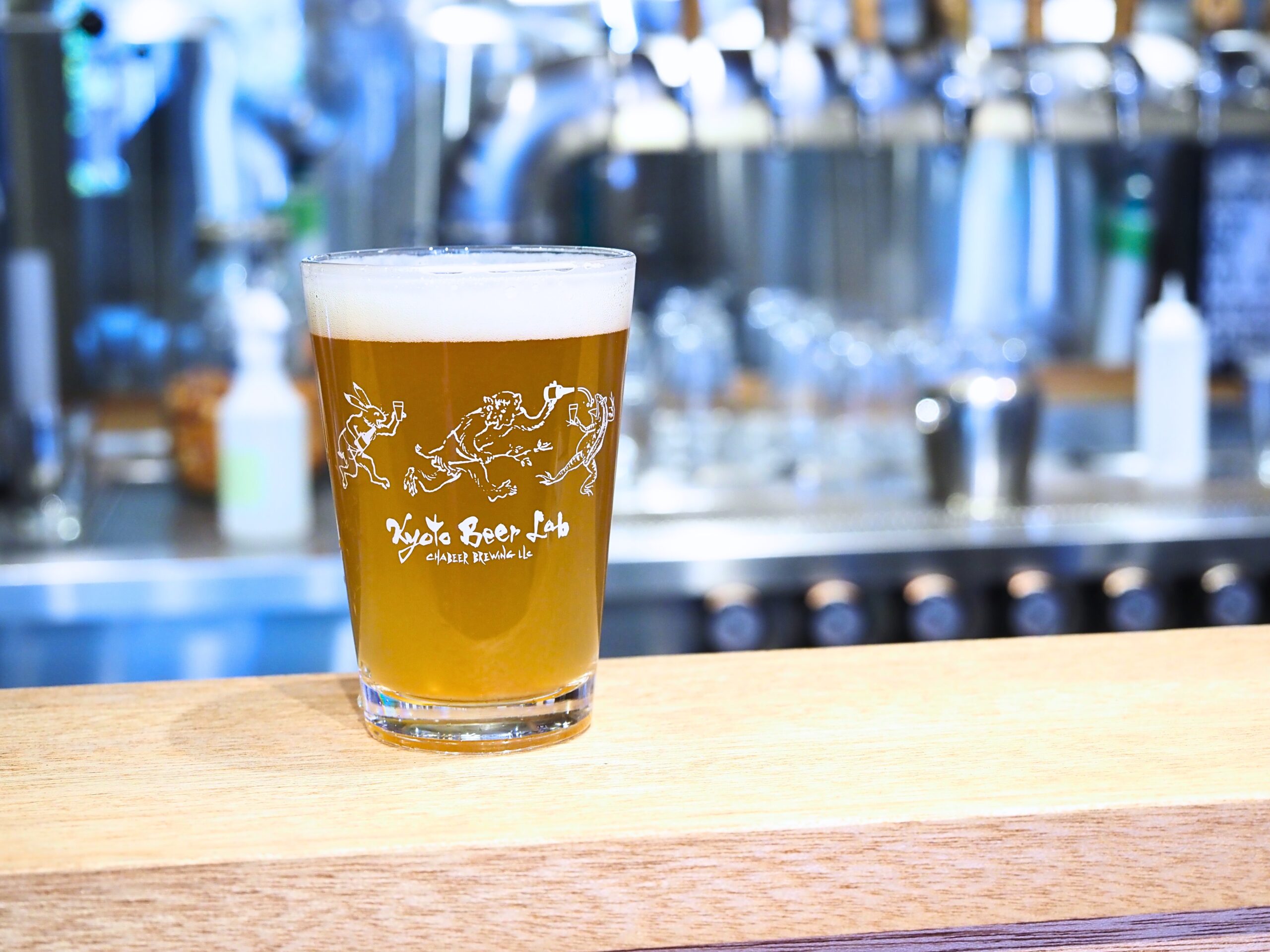
Kyoto’s craft beer scene has grown in recent years, with local breweries creating beers that combine traditional craftsmanship with modern flavors. Breweries such as Kyoto Beer Lab, Crafthouse Kyoto, and Kyoto Brewing Co. offer a range of styles, including beers inspired by Japanese ingredients such as yuzu and matcha.
Craft beer is a good choice for travelers who want a relaxed evening after sightseeing or a casual stop near the Kamogawa River.
Kyoto Itinerary Ideas for Every Travel Style
Not sure how to plan your Kyoto trip? These sample itineraries help you choose the best route based on your available time and interests. They are designed to group nearby attractions together, so you can spend less time traveling and more time enjoying the city.
Half-Day Kyoto Itinerary for First-Time Visitors
👍Best for: travelers with limited time
⏰Duration: 4 – 5 hours
- Start with an early-morning visit to Fushimi Inari Taisha
- Head to Gion for a traditional street walk
- Continue to Pontocho or Kawaramachi for lunch
- Choose vegan ramen, tofu cuisine, or a casual café depending on your schedule
- This route is ideal for visitors who want to see Kyoto’s iconic shrine scenery and traditional streets in a short amount of time.
Full-Day Kyoto Itinerary for Culture and Scenery
👍Best for: history lovers and culture seekers
⏰Duration: 8 – 10 hours
- Begin with a quiet walk along the Philosopher’s Path
- Visit nearby temples or cafés along the route
- Enjoy lunch at a shojin ryori or Kyoto tofu restaurant
- Ride the Sagano Romantic Train in the afternoon
- End the day in Gion or Pontocho with dinner or a Gion Corner performance
- This itinerary balances Kyoto’s calm morning scenery with cultural experiences and evening atmosphere.
Kyoto Cultural Experience Itinerary
👍Best for: visitors interested in hands-on Japanese traditions
⏰Duration: 5 – 6 hours
- Join a matcha tea ceremony experience
- Rent a kimono and explore Gion or Pontocho
- Visit the SAMURAI NINJA MUSEUM KYOTO With Experience
- Finish with Kyoto-style sweets, tea, or dinner in the Kawaramachi area
- This plan is especially good for travelers who want memorable photos and interactive cultural activities.
Kyoto Nature and Scenery Itinerary
👍Best for: outdoor travelers and families
⏰Duration: 7 – 8 hours
- Ride the Sagano Romantic Train through the Hozugawa Gorge
- Walk through Arashiyama Bamboo Grove
- Hike to Arashiyama Monkey Park for city views
- Relax with a riverside lunch or local Kyoto craft beer
- This route is best for travelers who want to enjoy Kyoto’s greenery, mountain views, and lighter outdoor activities.
Where to Stay in Kyoto: Why Kawaramachi is a Convenient Base
For travelers visiting Kyoto for the first time, staying around Kawaramachi is a practical choice. As one of the main downtown districts in Kyoto, Kawaramachi offers easy access to most of the popular areas including Gion, Pontocho, Nishiki Market and Kamogawa River, especially convenient for visitors who want to enjoy Kyoto from morning temple visits to evening dining without spending too much time transiting.
Located in Kawaramachi, HOTEL TAVINOS Kyoto makes a convenient base for exploring the city’s highlights. Not only are many of Kyoto’s top destinations within walking distance or a short train ride, the hotel also offers a playful, manga-inspired design, multilingual check-in kiosks, and a cozy traveler-friendly lounge space during your stay.
Your Personalized Kyoto Experience Starts at HOTEL TAVINOS Kyoto

From serene temples and cultural adventures to delicious local eats, Kyoto has something to inspire every traveler. And with HOTEL TAVINOS Kyoto as your base, you’re perfectly positioned to dive into it all — thanks to its easy access to both must-see landmarks and hidden gems. Use this Kyoto travel guide to map out your ideal itinerary and experience the ancient capital like never before.